
Why Your AC Fan Isn’t Spinning in Sheboygan, WI

Professional Services Heating, AC & Electric Repair

July 25, 2025

Last updated June 22, 2026


Key Points


  • Your air conditioner has two fans — one indoors that pushes chilled air into your home and one outdoors that expels warm air; either one stopping causes immediate cooling problems.
  • The five most common reasons an AC fan stops spinning: blade obstruction or dust buildup, poor electrical supply, capacitor failure, worn motor, and broken or damaged blades.
  • According to the U.S. Department of Energy, a well-maintained AC system runs significantly more efficiently — many fan failures are preventable with annual professional maintenance.
  • A failed capacitor is one of the most common causes of a non-spinning fan — it stores the electrical charge needed to start each cooling cycle; when it fails, the fan simply won't move.
  • Before calling a professional, work through five basic troubleshooting steps — thermostat settings, circuit breakers, outdoor unit debris, air filter condition, and drain pan for pooling water.
  • Electrical issues and component malfunctions always require a licensed HVAC technician — never attempt to repair capacitors or motor wiring yourself.
  • Contact Professional Services Heating, AC & Electric Repair for expert AC fan repair and maintenance throughout Sheboygan, WI.

Humid, blanket-like heat settles over your property during a scorching Sheboygan summer — the worst possible time for your air conditioner to underperform. If you've noticed that one of your two cooling fans has stopped spinning, you need answers fast.

At Professional Services, we regularly perform AC repair in Sheboygan, WI to fix fan issues. Here's what causes this problem and exactly what to do about it.


What Purpose Does the AC Fan Serve?

Your air conditioner relies on two separate fans to do its job. The indoor and outdoor units each have their own fan motor and blades — and each serves a distinct function:


  • Indoor fan (air handler) — pushes chilled air through your ductwork and into your home, lowering the indoor temperature
  • Outdoor fan (condenser unit) — expels the warm air removed from your home outside, allowing the refrigerant to cool and repeat the cycle


Either fan can stop working if it becomes obstructed, mechanically worn, or can't access enough power to operate. When one stops, your entire cooling system suffers.


5 Reasons Your AC Fan Stopped Spinning in Sheboygan, WI

Your fan might stop spinning for one of these five reasons:

1. Fan blade obstruction or dust buildup Dust accumulates on both fans over the years, gradually weighing down the blades until they can no longer rotate freely. For the outdoor fan especially, rocks, twigs, or debris can become lodged between the blades and halt rotation entirely.

2. Poor electrical supply A tripped circuit breaker, a power failure within the HVAC system, or a disruption to the electrical supply can cut power to the fan motor without warning.

3. Capacitor failure The capacitor stores electricity for the next HVAC cycle — essentially giving the fan motor the burst of power it needs to start. If the capacitor can't hold a charge or has an operational fault, the fan simply won't spin. Capacitor failure is one of the most common causes of a non-spinning AC fan.

4. Worn motor HVAC motors run continuously to keep air circulating. Over time, the bearings and mechanical components can become worn, underlubricated, or loose — losing the ability to drive the blades into consistent rotation.

5. Broken or damaged blades Fan blades that have broken off or sustained dents create uneven, wobbly rotation — which can cause the motor to shut down as a protective measure.


How to Troubleshoot a Stopped AC Fan

Before calling for AC repair services, try these basic troubleshooting steps — some fan problems have simple resolutions:

  1. Check your thermostat settings — verify the system is set to "Cool" mode and the temperature is set below the current room temperature; replace batteries if the screen is unresponsive
  2. Check the circuit breakers — look for any tripped breakers and reset them; a tripped breaker from a power surge or overload is a common and easily resolved cause
  3. Inspect the outdoor unit — look inside for rocks, twigs, or debris wedged between the fan blades; carefully remove any obstructions with the power off
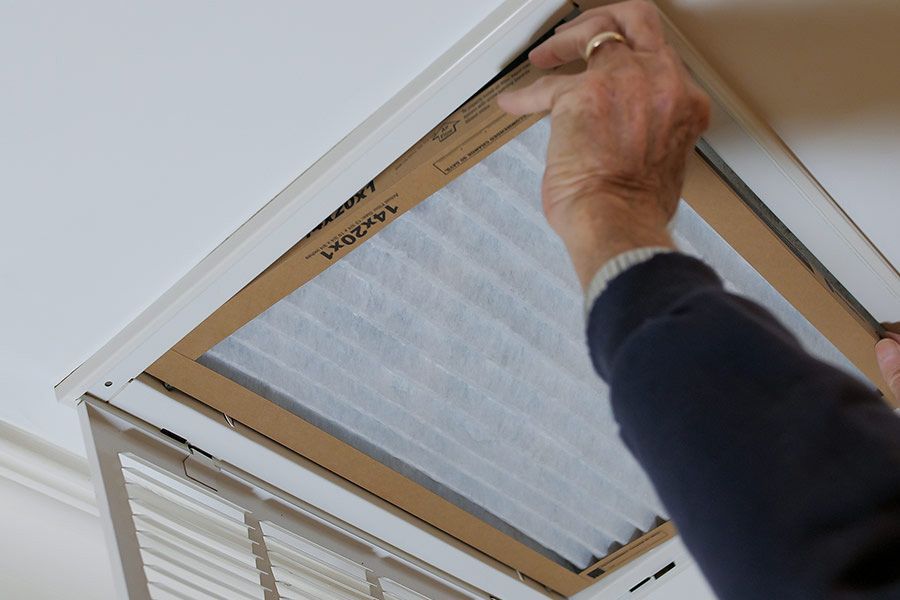
  4. Check your air filter and vents — replace the filter if it looks dirty or clogged; check visible vents for obstructions that affect airflow or temperature readings
  5. Check for pooling water beneath the indoor unit — water in the drain pan can indicate frozen or dirty evaporator coils, which can trigger an automatic system shutdown

If none of these steps restore fan operation, you're likely dealing with a capacitor failure, motor issue, or electrical fault — all of which require a licensed technician.


How AC Maintenance Protects Your Fan in Sheboygan, WI

If basic troubleshooting doesn't resolve the issue, an HVAC technician should assess and repair the system. Once they fix the problem, ask about the best maintenance routine for long-term efficiency and overheating protection.

Annual AC maintenance prevents many of the issues that stop fan blades in their tracks. A professional tune-up typically includes:

  • Component cleaning — wiping down and dusting components that need it most, including the fan blades, to prevent the buildup that weighs them down
  • Air filter replacement — many HVAC service providers supply fresh filters during maintenance visits; a clean filter protects the entire system
  • Equipment inspection — a thorough once-over reveals hidden debris in the outdoor unit before it causes performance problems
  • Tightness adjustments — mechanical components in the motor that are too loose or too tight prevent the fan from turning smoothly
  • Part lubrication — excessive friction slows fan rotation and accelerates motor wear; proper lubrication keeps everything moving freely


The DOE confirms that regular maintenance significantly improves AC efficiency and lifespan — and most fan failures seen in Sheboygan homes could have been caught and prevented during a routine tune-up.


Key Takeaways

Your AC has two fans — indoor and outdoor — and if either one stops, cooling fails immediately. The five most common causes of a non-spinning fan are blade obstruction, poor electrical supply, capacitor failure, worn motor, and broken blades. Before calling a professional, work through the five troubleshooting steps: check the thermostat, reset tripped breakers, clear debris from the outdoor unit, replace the air filter, and inspect the drain pan for pooling water. If those checks don't restore operation, the cause is likely a capacitor or motor fault — repairs that always require a licensed technician. Annual AC maintenance prevents most fan failures before they happen. Contact Professional Services Heating, AC & Electric Repair for expert AC fan repair and maintenance throughout Sheboygan, WI.


Professional Services Today for Boiler Repair

Schedule Your AC Repair or Maintenance With Professional Services

Turn to our HVAC experts in Sheboygan, Wisconsin, for reliable maintenance and repair services. When you choose professional assistance, you avoid the risks of DIY HVAC repair and protect your system's long-term performance.

Contact Professional Services to schedule your next AC maintenance visit or to get your fan issue diagnosed and repaired today.


You might also like
July 31, 2026
If your AC unit is leaking water in Port Washington, WI, it could be due to clogged drain lines, low refrigerant levels, or dirty air filters. In our service calls throughout Port Washington, from homes near the harbor to properties farther inland off Highway 33, these issues show up more often than homeowners expect, especially once the humid summer months settle in along Lake Michigan. These problems can lead to further damage if not addressed quickly, and the safest first step is to shut down the unit and have a professional take a look at potential clogs or ice buildup . Stick with us, and we'll share more on what causes these leaks and how to keep your system running efficiently for the long haul. What Causes AC Leaks? When an air conditioning system leaks, it can be frustrating and concerning for any homeowner. Working in homes across Port Washington, our team sees a few common culprits repeatedly. One is a clogged condensate drain line, which prevents water from draining properly and sends it backing up into the home instead. Another possibility is low refrigerant levels, which can lead to ice buildup on the coil that melts and drips once the system cycles off. The condition of the air filter matters too. A dirty filter restricts airflow, which can cause the evaporator coil to freeze and eventually leak water as it thaws. Damaged or rusted drain pans can also allow water to escape, and improper installation or a malfunctioning condensate pump may contribute to leaks as well. Understanding these causes helps our team at Professional Services Heating, AC & Electric Repair diagnose the issue accurately and get ahead of any further complications. Based on what we see in Port Washington properties, especially older homes near the downtown historic district, regular professional upkeep makes a real difference in preventing these issues before they start. Is Your AC Acting Up? Here's What to Look For Is your AC behaving strangely? It happens to plenty of homeowners, and recognizing the warning signs early can save you from a bigger repair down the road. First, listen for unusual noises. Clanking or buzzing sounds often point to a mechanical issue that needs attention. Next, pay attention to temperature fluctuations. If a room isn't cooling the way it should, that's worth investigating. Also keep an eye out for water pooling around the unit. This is often a sign of a clogged drain line or a refrigerant issue, and it's something we regularly diagnose during AC maintenance visits throughout the area. Finally, an increase in indoor humidity or unpleasant odors can signal deeper issues with air quality and system function. If you're noticing any of these signs, it's best to bring in a professional for an evaluation rather than waiting for the problem to grow. How to Safely Address Your Leaking AC Unit Addressing a leaking AC unit calls for prompt, careful attention, and the safest path is professional evaluation rather than a DIY fix. Shutting off the unit as soon as you notice a leak helps prevent additional water damage. From there, a trained technician will locate the source of the leak, whether it's coming from the drain pan, a cracked line, or the evaporator coil itself . Because a frozen or damaged coil is one of the more frequent causes we encounter in Port Washington homes, our technicians inspect it closely as part of every service call. Our process typically includes: Identifying the exact source of the leak, whether from the drain pan or a damaged line. Removing any standing water safely to minimize damage to floors, walls, or nearby belongings. Clearing the affected area and placing protective materials as needed while repairs are completed. Scheduling a full system evaluation to confirm the AC is restored to proper working condition and to catch any related issues, like low refrigerant, before they cause further leaks. When to Call an HVAC Professional for AC Repairs How can you tell if it's time to call in an HVAC professional? If your AC is leaking water, that's already a clear sign it's time to reach out for help. Other indicators include strange noises, weak airflow, or a system that isn't cooling your home effectively. Unusual smells or a thermostat that isn't responding correctly are also worth flagging. When these issues arise, acting quickly matters. Ignoring them can lead to more significant, and more expensive, problems down the line, particularly if low refrigerant is involved, since that requires a licensed technician to safely diagnose and correct through proper refrigerant leak repair . If basic checks like the air filter and visible drainage don't resolve the issue, it's best to contact a certified professional. Our team at Professional Services Heating, AC & Electric Repair diagnoses the problem accurately and performs the repairs needed to get your system back on track. Local expertise matters here too, since homes throughout Port Washington face different conditions depending on their proximity to the lake, and that context helps us resolve issues efficiently. Tips to Prevent Future AC Leaks and Ensure Efficiency To keep your AC system running smoothly and prevent leaks, regular maintenance and a bit of proactive planning go a long way. By staying ahead of potential issues, homeowners throughout Port Washington can keep their systems operating efficiently through every season, from the humid stretches of summer to the demands of a Wisconsin winter changeover. A few practical habits worth following: Have air filters changed on a regular schedule, since clean filters support proper airflow and reduce strain on the system. Have drain lines inspected periodically to catch blockages before they cause water overflow. Schedule annual professional maintenance so a trained technician can evaluate the system and catch any underlying issues before they escalate. Keeping Your AC Running Leak-Free While it might feel like your AC is trying to create its own indoor pool, the reality is that most leaks trace back to a handful of preventable causes. By understanding what's behind them and staying ahead with regular professional care, you can keep your home cool and dry through every Port Washington season. A little consistent maintenance goes a long way toward avoiding those pesky puddles. If things start to feel overwhelming, our team at Professional Services Heating, AC & Electric Repair is ready to help, so don't hesitate to schedule your AC service today .
July 31, 2026
If your AC is short cycling in Thiensville, WI, it's a concern that shouldn't be ignored. This issue can lead to higher energy bills and may shorten your unit's lifespan. In our service calls throughout Thiensville, from homes near the Milwaukee River to properties tucked along the village's tree-lined streets, we often notice signs like frequent on/off cycling, inconsistent temperatures, or unusual noises. Causes can range from a dirty filter to low refrigerant levels, and understanding how your air conditioning system is supposed to run helps make sense of what's going wrong. Let's explore the details that can help you understand this better. What Is Short Cycling and Why Should You Care? Short cycling is a frustrating issue that many homeowners face with their air conditioning systems. This happens when the AC turns on and off frequently, failing to run long enough to cool the space effectively. It's not just annoying. It can also lead to higher energy bills and premature wear on the unit. Short cycling matters because it affects both comfort and the longevity of your system. When an AC is constantly switching on and off, it strains the components, increasing the risk of breakdowns. This behavior often points to underlying issues, like a faulty thermostat or inadequate refrigerant levels. Addressing short cycling promptly with professional air conditioning repair helps restore your system's efficiency before bigger problems set in. Signs Your AC Is Short Cycling How can you tell if your AC is short cycling? Recognizing the signs early can save you from bigger headaches down the road. Here are three key indicators that a system might be struggling: Frequent On/Off Cycling: If the AC kicks on and off every few minutes, it's a clear sign that something's wrong. This constant cycling is both frustrating and inefficient. Inconsistent Temperatures: Are certain rooms feeling stuffy while others stay cool? That's often a sign the AC is working overtime without really cooling effectively. Increased Energy Bills: A sudden spike in energy costs can indicate that a unit is overworking itself, and it's worth keeping an eye on those bills. Working in homes across Thiensville, our team frequently traces these symptoms back to something mechanical or electrical that needs a trained eye. If you notice any of these signs, it's time to get in touch with a professional. What Causes Short Cycling in AC Systems? Short cycling can stem from several common issues. One major culprit is an oversized unit, which cools a space too quickly and shuts off before completing its cycle. Another factor is a dirty air filter, which restricts airflow and forces the system to work harder, leading to frequent on-and-off cycles. Low refrigerant levels can also create pressure imbalances that trigger short cycling, something our technicians check closely since it requires professional refrigerant leak repair rather than a homeowner fix. Thermostat problems, such as incorrect placement or malfunctioning components, can cause a system to misread temperatures as well. Electrical issues, like failing capacitors or contactors, can disrupt normal operation too. Scheduling a routine maintenance check helps identify and resolve these issues before they lead to more significant problems. How Short Cycling Hurts Your Home and Wallet Here are three ways short cycling can affect a household: Higher Energy Bills: Each time the AC turns on and off, it uses more energy, resulting in utility costs that add up quickly. Increased Repair Needs: The constant cycling stresses components, leading to breakdowns that require repairs no one wants to budget for. Reduced Lifespan of the Unit: Short cycling can shorten an AC's lifespan, meaning premature replacement costs sooner than expected. Based on what we see in Thiensville properties, especially during the humid stretches of a Wisconsin summer, catching these problems early through routine evaporator coil checks can prevent a lot of downstream expense. When to Call a Pro for Short Cycling Problems When an AC starts short cycling, it's essential to recognize the signs that indicate it's time to call a professional. Noticing a system turn on and off frequently without reaching the desired temperature is a clear red flag. Other signs include unusual noises, increased energy bills, or feeling uncomfortable at home despite the AC running. If the issue develops suddenly and the system seems to be struggling to keep up at all, it may be time for emergency AC repair rather than waiting for a scheduled visit. Ignoring these issues can lead to bigger problems down the line, including costly repairs or complete system failure. That's why it's worth reaching out to a trusted HVAC expert like Professional Services Heating, AC & Electric Repair, who can diagnose the problem effectively. Our team doesn't just pinpoint the cause. We offer solutions tailored to your home and your system. Keeping Your Cooling System Running Smoothly Addressing short cycling in your AC is essential for comfort and efficiency. Think of it like a car that's constantly stopping and starting. It wears out faster and costs more in the long run. Just as you'd take a car to a mechanic for a tune-up, don't wait to reach out when you notice those telltale signs of short cycling in your Thiensville home. Our team at Professional Services Heating, AC & Electric Repair is here to help, so feel free to schedule your AC tune-up today and keep your system running smoothly all season long.
July 31, 2026
If your AC smells like something's burning, it's usually a sign of underlying issues that need attention right away. In our service calls throughout Belgium and the surrounding Ozaukee County area, this is one of the concerns our team hears about most, especially as summer humidity off Lake Michigan puts extra strain on cooling systems. Common causes include electrical malfunctions, dust buildup igniting, or a failing motor, and the safest response is to power off the unit and have a professional inspect it through prompt air conditioning repair rather than investigating the wiring yourself. To stay ahead of these problems, we've got preventive measures worth reviewing. Let's explore those options further. What Causes a Burning Smell From My AC? When a burning smell comes from an AC unit, it's vital to act quickly, since this could indicate a serious issue. This unsettling odor might stem from several sources. One common cause is electrical malfunctions, like frayed wires or faulty components, which can create a burning sensation. Dust buildup in the system can also ignite when the unit runs, producing that distinct smell. Another possibility is that the motor or fan is overheating, often due to lack of lubrication or general wear and tear. A refrigerant leak can also lead to unusual smells, as the chemicals involved may give off a burning odor. In these cases, seeking professional air conditioning repair helps prevent further damage and keeps the system operating safely. Understanding these potential causes helps homeowners in Belgium address the problem efficiently. Ignoring these signs can lead to more significant damage or safety hazards, so it's important to bring in a professional as soon as that burning smell shows up. Steps to Identify the Source of the Burning Smell Identifying the source of a burning smell calls for a careful, professional approach rather than guesswork. A trained technician will start by confirming the unit is powered off to rule out any safety concerns. From there, the air filter gets checked first, since a dirty or clogged filter is one of the most frequent causes of overheating our team finds during AC maintenance visits in the Belgium area. Visible debris around the outdoor unit or inside the vents is inspected next, since blocked airflow is another common contributor. Wiring gets a close look too, since damaged or frayed wires can emit a burning smell and pose a real safety risk if left unaddressed. Unusual sounds, like grinding or buzzing, often point to a mechanical issue that needs further diagnosis. Working in homes across Belgium, our technicians know that a thorough inspection is the safest way to confirm a system is running safely and efficiently, rather than relying on a quick homeowner check. Common AC Issues Causing Burning Smells Understanding the common issues behind burning smells is essential for maintaining a safe, efficient system. One frequent culprit is overheated wiring or insulation. As components wear down, they can generate a burning scent that signals a developing electrical issue. Another common problem is a failing motor. If it struggles to operate, it can overheat and produce an unpleasant odor. Dirty air filters can also restrict airflow, causing the system to work harder and overheat. Burnt dust is another possibility, especially if the AC hasn't run in a while. When it first kicks on, accumulated dust can burn off and create a temporary smell. Refrigerant leaks can cause compressor issues too, resulting in strange odors that are best evaluated through refrigerant leak repair . Recognizing these problems early helps Belgium homeowners avoid more significant repairs down the road. How to Fix Common AC Problems Causing Burning Smells When a burning smell shows up, addressing it promptly with professional help is the safest path forward. A technician will start by checking the air filter, since a clogged filter can restrict airflow and cause the overheating behind that burnt odor. If it's dirty, it gets replaced as part of the service. Wiring and components get inspected next, since loose or frayed wires can cause electrical shorts that lead to burning smells. This is exactly the kind of work best left to a licensed professional rather than attempted at home. The condenser unit is also checked to confirm it's clear of debris, since blockages can lead to overheating. Based on what we see in Belgium properties, a full diagnostic visit is the most reliable way to confirm a system operates safely, rather than guessing at a fix. Preventive Measures to Avoid Future AC Smells Taking steps to prevent unpleasant AC smells is vital for the long-term health of a cooling system. One of the best ways to do this is through regular maintenance. Scheduling annual check-ups with a professional helps catch potential issues before they escalate. Air filters should be kept clean and replaced on a regular schedule, since clogged filters can lead to overheating and odors. Keeping the outdoor unit free from debris also supports proper airflow and reduces strain on the system, something our team pays close attention to on furnace and AC service calls throughout the region given how quickly Wisconsin weather can shift between seasons. Ductwork should be inspected regularly for leaks or blockages as well, since these can harbor mold and mildew over time. Enhancing indoor air quality with filtration and purification solutions rounds out a solid prevention plan, helping keep a system running smoothly and smelling fresh all summer long. Keeping Your Home Comfort System Safe and Fresh When an AC unit starts to smell like something's burning, it can feel like a storm cloud hovering over your home comfort. Understanding the causes and bringing in the right professional help clears the air and restores peace of mind. Regular maintenance remains the best ally in keeping a cooling system running smoothly and safely all season long. If you're noticing that unsettling odor in your Belgium home, our team at Professional Services Heating, AC & Electric Repair is ready to help, so don't wait to contact our team today .

Book a Service Today