

Our Blog
Check our latest news, tips and guides.
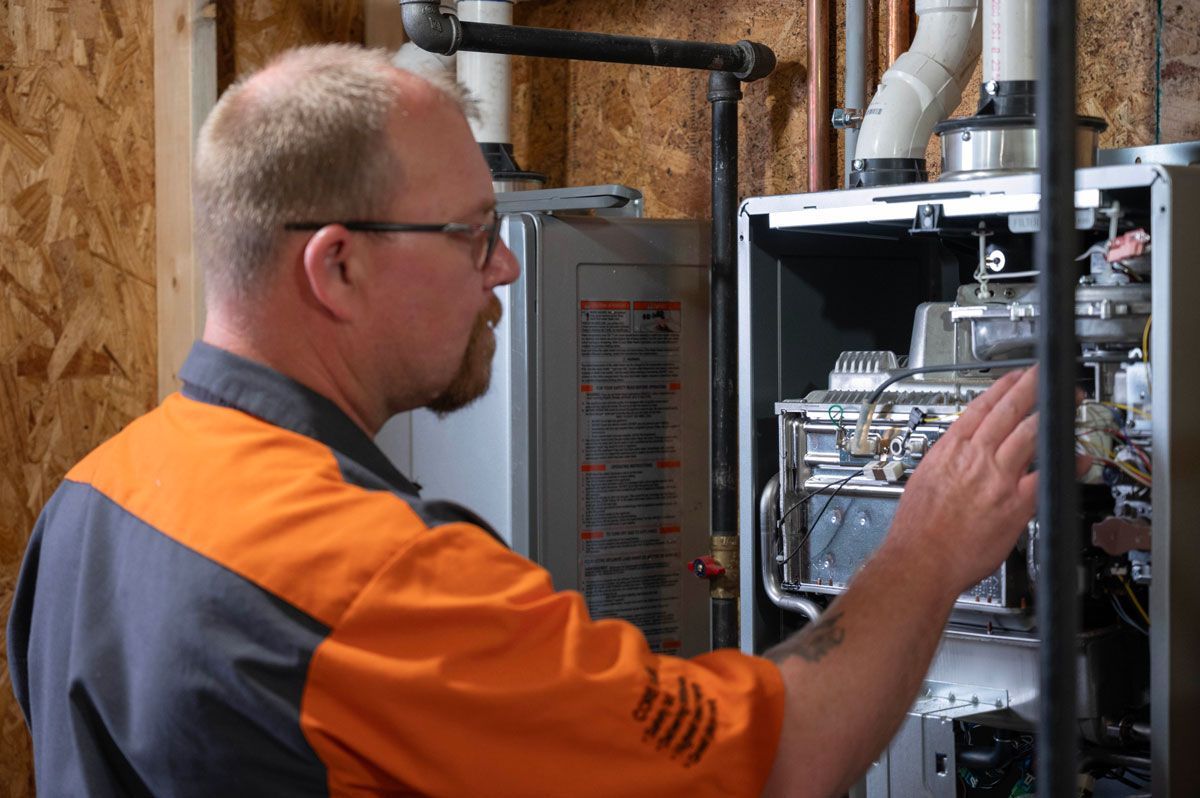
If your furnace won't turn on in Cedarburg, WI, there are a few common culprits worth understanding before calling in a professional. In our service calls throughout Cedarburg, from homes near the historic Cedar Creek Settlement to properties further out toward Highway 60, our team sees the same handful of issues come up again and again once temperatures start to drop. A quick check of the thermostat settings is a good starting point, along with a look at the power supply and any tripped circuit breakers, but a proper diagnosis is best left to a trained technician through furnace repair service . The air filter is worth a look too, and if there are any strange noises or scents, those call for professional attention right away. Keep reading to learn more about diagnosing and addressing furnace issues safely. Common Causes for a Furnace Not Turning On When a furnace won't turn on, it can be frustrating, especially during the coldest months of a Wisconsin winter. One common cause is a tripped circuit breaker. If the furnace isn't getting power, the electrical panel is the first place worth checking. Another possibility is a clogged air filter, which can restrict airflow and cause the furnace to shut down as a safety measure. Regular maintenance goes a long way toward avoiding this issue altogether. The pilot light is also worth considering. If it's out, the furnace won't ignite at all. A malfunctioning thermostat could be at fault as well, so confirming it's set correctly and functioning properly is an easy first check. By identifying these common causes, homeowners can get a clearer sense of what might be going on before a technician arrives. Working in homes across Cedarburg, our team at Professional Services Heating, AC & Electric Repair is here to guarantee comfort and warmth whenever these issues pop up. Check Your Thermostat Settings Has the thermostat been double-checked? Sometimes it really is the simplest things that trip people up. Making certain the thermostat is set to "heat" rather than "cool" is worth confirming first, especially during shifting seasons when settings can get overlooked. The temperature setting matters too. If it isn't set higher than the current room temperature, it won't signal the furnace to kick on. Checking whether the thermostat is in "auto" mode is worth a look as well, since a setting of "manual" or "off" will keep the furnace from activating. For homes with a programmable thermostat, confirming the schedule hasn't been accidentally changed is a good next step. Replacing the batteries is worth trying too if it's a battery-operated unit, since a weak battery can prevent proper function. If these checks don't resolve the issue, it may be worth having a professional evaluate whether the system needs repair or whether furnace replacement makes more sense for long-term efficiency. Inspecting Your Power Supply and Circuit Breaker Before digging deeper into furnace issues, checking the power supply and circuit breaker is a smart next step, since these are often the root of the problem. Confirming the furnace is properly connected to power comes first. For a gas furnace, the gas valve should also be checked to confirm it's open. From there, the circuit breaker panel is worth a look. Tripped breakers can easily disrupt power to a furnace, and flipping one back on may resolve the issue temporarily. If it trips again, that's a sign of an underlying issue that needs professional attention rather than repeated resets. Fuses related to the furnace are worth checking too, since a blown fuse can cut off power entirely. Based on what we see in Cedarburg homes, checking these basics rules out simple issues before moving on to more complex furnace diagnostics, and regular heating system maintenance helps prevent these problems from recurring season after season. Step-by-Step Guide to Diagnose Your Furnace Problems Diagnosing furnace problems can feel overwhelming, but breaking it down step by step makes it more manageable. Thermostat Settings: Confirm the thermostat is set to "Heat" and the temperature is higher than the current room temperature. Air Filter: A dirty air filter can restrict airflow and cause overheating, so it's worth inspecting and replacing if needed. Safety Switches: Check for any safety switches that may have tripped, especially near the furnace door, and reset them if needed. Regular Maintenance: An annual furnace tune-up is essential for a system's longevity and helps everything run smoothly through the season. Once these steps are checked, homeowners will have a better sense of what's going on. If nothing changes, it's time to bring in further professional assistance. Signs You Need Professional HVAC Help Recognizing when it's time to call in the experts matters just as much as basic troubleshooting. Strange noises like banging or rattling are often a red flag that something's amiss inside the system. A furnace that frequently cycles on and off can indicate a more serious issue too. If adjusting the thermostat produces little change in temperature, or if there's an unusual smell, especially gas, professional help should be sought out immediately rather than waiting. Unexpected spikes in energy bills can also mean a system is struggling to operate efficiently, and a complete breakdown shouldn't be left unaddressed for long, particularly during a Cedarburg winter. Professional Services Heating, AC & Electric Repair is here to provide 24/7 emergency assistance and expert solutions, keeping comfort and safety a top priority for every household we serve. Getting Your Furnace Back on Track This Winter A furnace may not always be the reliable hero it's expected to be during winter's chill, and that's exactly why a proper troubleshooting process matters. If these steps haven't resolved the issue, don't hesitate to call in the professionals rather than continuing to troubleshoot alone. Keeping a Cedarburg home cozy and warm all season starts with knowing when to bring in the right expertise. When you're ready, our team at Professional Services Heating, AC & Electric Repair is here to help, so feel free to contact our team today .
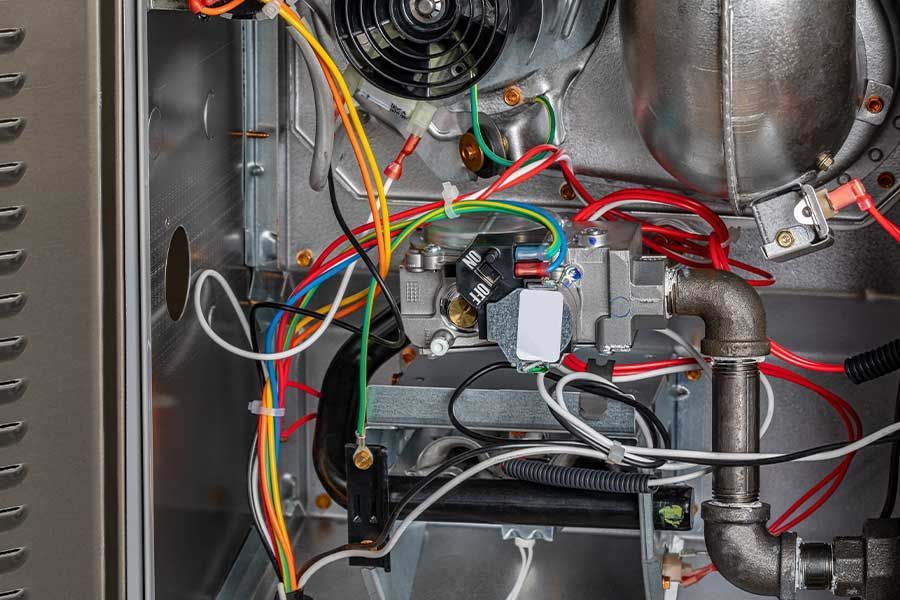
If your furnace is overheating in Port Washington, WI, you're likely facing issues like dirty air filters or blocked vents. In our service calls throughout Port Washington, from homes near the harbor to properties further inland along Highway 33, these problems make the furnace work harder and heat up excessively, especially once the coldest stretches of winter set in. You might notice unusual noises, strange smells, or an overly warm home, and it's vital to turn off the furnace and have a professional check settings, filters, and vents through a proper furnace repair visit. If problems persist, there's more worth understanding to keep your system running safely and efficiently. Common Causes of Furnace Overheating When it comes to furnace overheating, several common issues tend to lead to this frustrating problem. One of the primary culprits is a dirty air filter. When filters clog, airflow gets restricted, causing the furnace to work harder and overheat. Blocked vents are another issue. If furniture or debris obstructs airflow, it can create hot spots throughout the home and lead to overheating. A malfunctioning thermostat can also send incorrect signals to the furnace, causing it to run longer than necessary. Blower motor issues are common too. If it's malfunctioning, warm air can't circulate properly through the home. Lack of regular maintenance can lead to a buildup of dust and debris that strains the system over time. Working in homes across Port Washington, our team has found that regular furnace maintenance is essential to prevent overheating and keep a system running efficiently for years. Recognize the Signs of an Overheating Furnace How can you tell if a furnace is overheating? There are several key signs worth watching for. Unusual noises, like banging or screeching, could indicate stress building up inside the system. A burning smell is a red flag too. It might mean there's dust buildup or even overheating parts that need attention. If a home feels too hot or unevenly heated, that's a sign something's off with airflow or thermostat calibration. The furnace itself is worth checking too, since excessive heat on its exterior can indicate a serious problem developing. Finally, a furnace that frequently shuts off or cycles on and off quickly deserves attention right away. Based on what we see in Port Washington properties, recognizing these signs early helps homeowners take action before more significant issues arise, keeping a furnace operating safely through every cold snap. What Happens During a Professional Overheating Diagnosis When a furnace starts overheating, a professional evaluation is the safest path forward rather than attempting repairs at home. A technician will start by confirming the furnace is powered down to prevent further stress on the system. Thermostat settings get checked next, since a setting that's too high can cause the unit to work overtime unnecessarily. Air filters are inspected closely too, since dirty filters restrict airflow and are one of the most common causes we see during furnace maintenance visits throughout Port Washington. Vents and registers get checked to confirm they're unobstructed, allowing for proper air circulation throughout the home. A thorough listen for unusual noises and a check for visible wear or damage rounds out a complete diagnostic visit, giving homeowners a clear picture of whether repair or replacement makes more sense based on the age and condition of the unit. When to Seek Professional Help for Furnace Overheating Could there be signs pointing toward the need for professional help that are easy to overlook? A furnace that frequently shuts off unexpectedly or makes strange noises is a clear red flag. An unusual smell is worth paying attention to as well, since that can signal a serious issue needing urgent attention. If basic checks like the air filter or thermostat settings haven't resolved the problem, it's time to bring in a professional rather than continuing to troubleshoot alone. A spike in energy bills without an apparent reason can also point to inefficiencies or malfunctions that need expert diagnosis. Regular heating system service helps prevent these issues from escalating into bigger, more costly repairs. How to Prevent Furnace Overheating in the Future Taking proactive steps can help prevent future furnace overheating well before it becomes a problem. Committing to regular maintenance matters most. Scheduling annual inspections helps catch potential issues before they escalate into something more serious. Air filters should be replaced every one to three months as well, since dirty filters restrict airflow and make a furnace work harder than it should. Keeping vents clear of obstructions like furniture or curtains helps guarantee proper airflow throughout the home. Upgrading to a programmable thermostat is worth considering too, since it helps maintain ideal temperature settings without overworking the system. For furnaces showing signs of age, exploring replacement options is worth a conversation with a professional. A new, energy-efficient model can greatly reduce overheating risks and enhance comfort throughout the home. Keeping Your Port Washington Home Safe and Warm As winter wraps Port Washington in its icy embrace, a furnace becomes a real lifeline against the cold. Understanding the reasons behind overheating helps safeguard that comfort for the whole season. Just as a flickering flame needs tending, a heating system needs proactive care too. When you're ready to have your system checked or serviced, our team at Professional Services Heating, AC & Electric Repair is here to help, so feel free to schedule your service today .
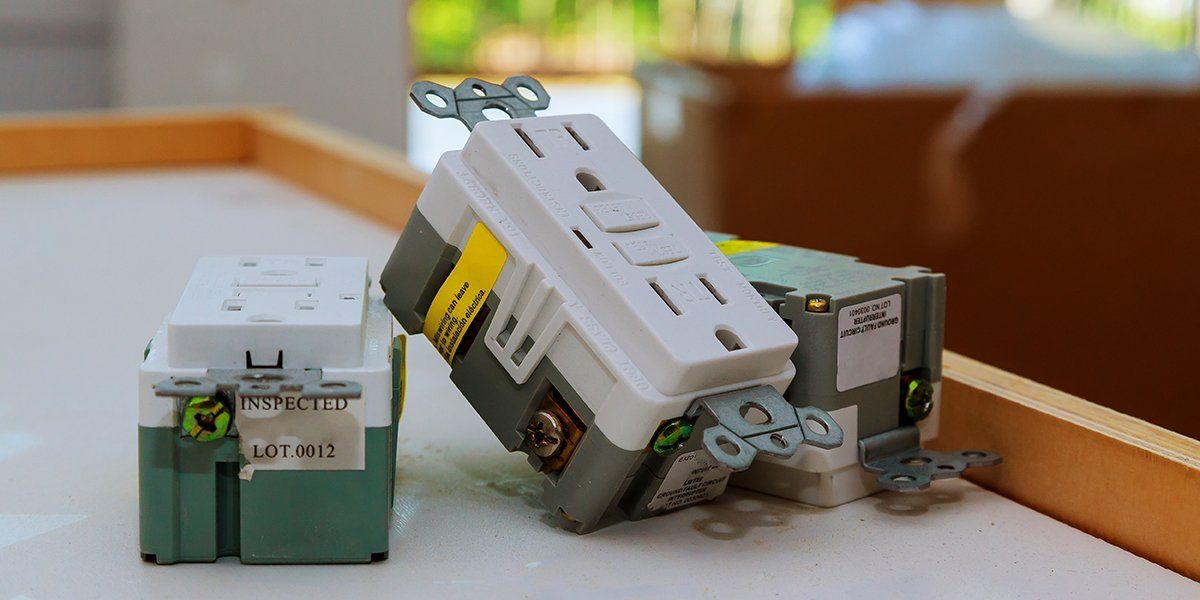
In Thiensville, WI, keeping a home safe starts with making sure GFCI outlets are installed in seven essential areas. In our service calls throughout Thiensville, from homes near the Milwaukee River to properties tucked along the village's older residential streets, our team regularly finds outdated or missing outlets in exactly the rooms where water and electricity meet most often, like bathrooms, kitchens, garages, outdoor spaces, and laundry rooms. Proper GFCI outlet installation helps close that gap and bring a home up to current safety standards. Regular testing keeps them functioning properly too, and it's critical to comply with local codes and regulations. If you're looking for guidance on where these outlets belong and how to keep them working, stick around to find out more. How GFCI Outlets Prevent Electrical Hazards When it comes to electrical safety in the home, GFCI outlets stand out as vital tools that help prevent hazards. These outlets monitor the flow of electricity and quickly shut off if they detect any imbalance, which can occur when electricity escapes to the ground. This feature is especially important in areas where water is present, since it greatly reduces the risk of shock or electrocution. Installing GFCI outlets in key locations creates a safer environment for the whole household, and they're especially valuable in kitchens, laundry rooms, and outdoor areas where moisture is a regular part of daily life. Regular testing of these outlets helps confirm they're functioning properly, offering real peace of mind. GFCI outlets also provide protection against high voltage shocks, which underscores just how important they are in modern electrical safety. GFCI outlets aren't just a luxury. They're a necessity for modern homes, and working in homes across Thiensville, our team treats their proper placement as a top priority on every electrical inspection. GFCI Outlets in Bathrooms: Where Water Meets Electricity When it comes to GFCI outlets in bathrooms, safety is the top priority. These outlets need to comply with safety standards and follow best installation practices to protect everyone in the household, and a professional electrical inspection is the best way to confirm a bathroom's outlets meet current code. Safety Standards Compliance To guarantee safety in bathrooms, where water and electricity often intersect, installing GFCI outlets is vital. These outlets help protect against electrical shocks by shutting off power the moment they detect an imbalance in current. Electrical codes require GFCI outlets in areas prone to moisture, including bathrooms. Using GFCI outlets means complying with safety standards while making a home genuinely safer for everyone living in it. Confirming these outlets are properly installed and tested regularly is an important part of maintaining their effectiveness over time. Installation Best Practices Installing GFCI outlets in bathrooms isn't just a smart choice. It's essential for safety. A few best practices matter here: Choose the right location, installing outlets at least 3 feet from the tub or shower. Use weatherproof coverings to help safeguard against moisture. Test the outlet monthly to make sure it's functioning correctly. Label clearly to mark GFCI outlets for easy identification. Hire a licensed professional, since that's the best way to ensure full compliance with local codes. GFCI Outlets in Kitchens: Protecting Your Cooking Area GFCI outlets are essential in kitchens, since they protect against electrical shocks in an area where water and electricity often meet. Spills and splashes happen frequently while cooking, so having these safety devices installed is important for every Thiensville household. GFCI outlets automatically cut off power the moment they detect an imbalance in electrical flow, reducing the risk of shock significantly. In the kitchen, GFCI outlets belong near sinks, countertops, and other areas susceptible to moisture, which helps guarantee that appliances like blenders and toasters operate safely. Regularly testing these outlets matters too, and pressing the "test" button is a simple way to confirm they're functioning correctly. For larger kitchen renovations or commercial kitchen spaces, consulting with experienced commercial electrical professionals helps ensure proper installation and full code compliance. GFCI Outlets in Garages: Safeguarding Your Tools and Vehicles GFCI outlets play an essential role in protecting tools and vehicles from electrical hazards in the garage. These outlets are designed to detect ground faults and cut off power, preventing potential shocks before they happen. A few key reasons to prioritize GFCI outlets in the garage: Protection From Water Exposure: Garages are often prone to moisture, making GFCI outlets crucial. Tool Safety: Power tools see frequent use, and these outlets help safeguard against electrical accidents. Vehicle Charging: Many households charge electric vehicles in the garage, and GFCI outlets help guarantee safe charging practices. Preventing Fire Hazards: Cutting off power during a fault reduces the risk of fires significantly. Compliance With Regulations: Many local codes require GFCI outlets in garages for safety. Comprehensive electrical services can further ensure a garage remains a safe space for all its electrical needs, from outlets to lighting to vehicle charging setups. GFCI Outlets in Outdoor Areas: Ensuring Safety in Your Yard Enjoying outdoor spaces safely means making GFCI outlets a priority for protecting family and guests alike. These outlets play an important role in preventing electrical shock, especially in areas exposed to moisture like patios, decks, and gardens, which describes a good number of Thiensville backyards along the river. Plugging in outdoor tools, lights, or appliances always carries some risk, and installing GFCI outlets greatly reduces the chances of an accident. They automatically shut off power when they detect a ground fault, offering peace of mind while working or relaxing outside. Placing these outlets in convenient, accessible locations makes them easy to use and test regularly, helping keep a yard both beautiful and safe for everyone who spends time in it. GFCI Outlets in Laundry Rooms: Preventing Accidents in Wet Conditions In laundry rooms, where water and electricity often mingle, prioritizing safety matters just as much as anywhere else in the home. GFCI outlets play a critical role in preventing accidents in these wet conditions, quickly cutting off power if they detect any ground fault and reducing the risk of electric shock. A few reasons laundry rooms need GFCI outlets: Protection Against Shock: They provide immediate disconnection from power. Compliance With Codes: Many building codes require GFCI outlets in laundry areas specifically. Peace of Mind: Knowing the space is protected allows the household to focus on the task at hand. Quick Reset: They can be easily reset after a trip, without any complicated troubleshooting. Cost-Effective Safety: A small investment can prevent a potentially serious hazard. Tips for Installing and Maintaining GFCI Outlets in Your Home Installing and maintaining GFCI outlets properly goes a long way toward keeping a home protected from electrical hazards, especially in areas prone to moisture like kitchens and bathrooms. Installation Best Practices Turn off power at the circuit breaker before starting any installation work. Follow the GFCI outlet's wiring guidelines closely. Use a voltage tester to confirm there's no power before handling any wires. Install outlets in accessible locations where they can be easily reached for testing and maintenance. Test monthly using the "test" button to verify functionality. Regular Maintenance Tips Testing each outlet monthly by pressing the "test" button confirms it shuts off power as designed. If it doesn't, replacement is necessary right away. Inspecting outlets for signs of damage, like cracks or discoloration, is worth doing periodically, and anything unusual is best evaluated by a professional rather than left unaddressed. Keeping outlets clean and free from moisture helps prevent malfunctions over time, and consulting with a trusted local electrician for any concerns or routine check-ups rounds out a solid maintenance routine. Building a Safer Home With the Right Outlets in Place Having GFCI outlets throughout a home is like putting up a safety net. It catches potential hazards before they can harm anyone living there. Making sure these outlets are installed in key areas like bathrooms, kitchens, and outdoor spaces is a proactive step every Thiensville homeowner can take to protect their family. When you're ready to have your home's outlets checked or updated, our team at Professional Services Heating, AC & Electric Repair is here to help you navigate these requirements, so feel free to contact our team today .
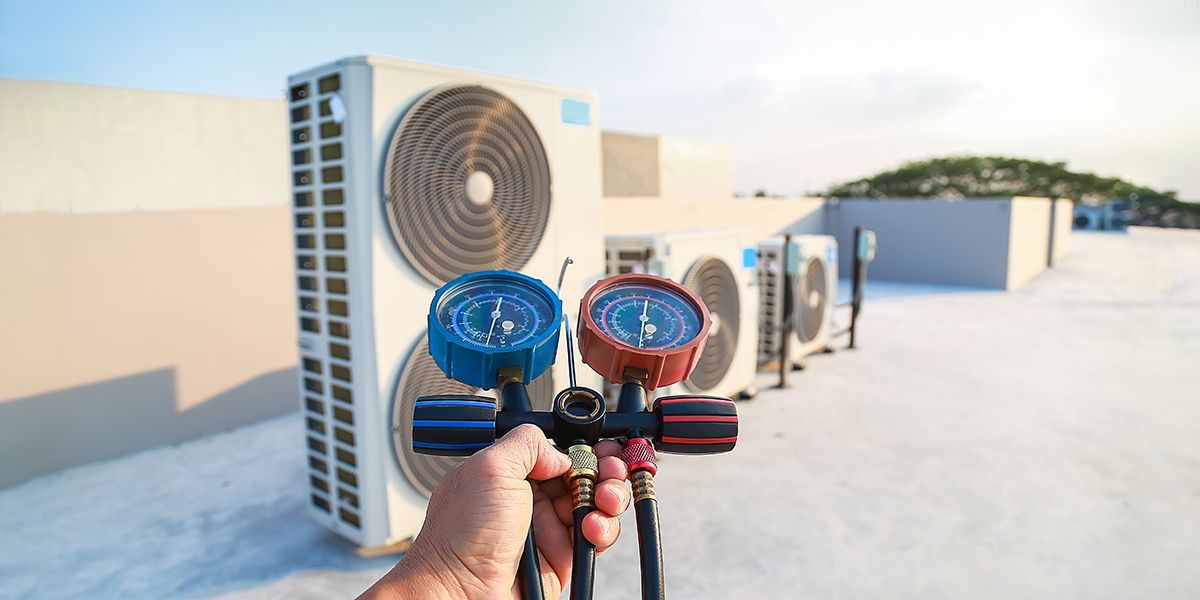
If your heat pump keeps turning on and off, it's likely a sign of underlying issues that need attention. In our service calls throughout Fredonia and the surrounding Ozaukee County countryside, common culprits include dirty air filters, malfunctioning thermostats, or low refrigerant levels, and a proper heat pump service visit is the best way to pin down the cause. An oversized unit may cycle too quickly, causing frequent shutoffs, and electrical problems can cause erratic operation as well. Ignoring these signs could lead to higher energy bills over time. Let's explore what to do next to keep your system running smoothly. Signs Your Heat Pump Needs a Check-Up Has a heat pump been cycling on and off more frequently than usual? That's often a sign it needs a check-up. Unusual sounds like grinding or squealing are worth paying attention to, since they often indicate a mechanical issue developing inside the unit. Inconsistent temperatures throughout a space can point to a heat pump that isn't functioning properly as well. Higher energy bills without any real change in usage are a red flag too. Unexplained humidity levels can signal trouble, since a properly working system should manage both temperature and moisture effectively. If it's been over a year since the last maintenance check, scheduling one soon is worth prioritizing. Regular check-ups keep a heat pump running efficiently and help avoid costly repairs down the line. Working in homes across Fredonia, our team has seen firsthand how much of a difference a routine inspection makes in catching these issues early. Common Causes of Short-Cycling in Heat Pumps When a heat pump starts short-cycling, turning on and off frequently, it can be frustrating and confusing for any homeowner. There are several common causes worth considering. An oversized heat pump can lead to short-cycling, since it cools or heats a space too quickly and shuts down prematurely as a result. A dirty air filter restricts airflow too, making it harder for the system to maintain the desired temperature. A malfunctioning thermostat might misread temperatures, causing the heat pump to operate erratically. Low refrigerant levels can also trigger this issue, since the system struggles to reach peak efficiency without the proper charge, something best evaluated through heat pump repair service. Electrical issues, like a faulty relay or contactor, can cause a heat pump to cycle on and off unexpectedly as well. Regular maintenance helps identify these issues before they lead to significant problems. Effective Troubleshooting Steps for Heat Pump Issues Troubleshooting heat pump issues starts with checking the basics before moving into more complex diagnostics. Thermostat settings are worth confirming first, making sure the system is set to the desired temperature. Air filters come next, since clogged filters restrict airflow and are a frequent cause of short-cycling. The outdoor unit deserves a look too. Debris or ice buildup around it can significantly reduce efficiency, and clearing away any obstructions often helps right away. Electrical connections are worth having checked as well, since loose wires can lead to erratic behavior that's difficult to diagnose without training. Based on what we see in Fredonia properties, if a heat pump still keeps turning on and off after these basic checks, it's time to bring in a professional for a thorough inspection. Professional service is essential for identifying the more complex issues that basic troubleshooting can't catch. Impact of Temperature Extremes on Heat Pumps Temperature extremes play a real role in how well a heat pump performs. When the mercury dips too low or soars too high, heat pumps often struggle to maintain efficiency. In extreme cold, a heat pump may overwork itself trying to pull heat from frigid air, leading to short cycling as it turns on and off frequently. This strains the system and can drive up energy bills at the same time. In sweltering heat, a heat pump's cooling capacity can diminish, causing it to work harder to reach the desired temperature and resulting in the same short-cycling pattern. Scheduling a routine maintenance check ahead of extreme weather seasons helps optimize performance and mitigate these issues before they start. When to Call an HVAC Expert in Fredonia, WI How can you tell if it's time to call an HVAC expert in Fredonia, WI? Recognizing the signs that a heat pump needs professional attention can save both time and money. A few indicators worth watching for: Frequent Cycling: A heat pump that turns on and off repeatedly may indicate an underlying issue. Unusual Noises: Strange sounds like grinding or banging could signal a mechanical problem. Inconsistent Temperatures: Rooms that run too hot or too cold suggest a system struggling to maintain balance. Increased Energy Bills: A sudden spike in energy costs may suggest inefficiency due to a mechanical issue. If any of these signs show up, reaching out to a qualified HVAC technician is the best next step, and their expertise helps guarantee a heat pump operates efficiently while keeping a home comfortable. Keeping Your Heat Pump Running Smoothly All Season Keeping a heat pump running smoothly is a bit like tending to a garden. It requires regular care and attention. Understanding the common causes of short cycling helps homeowners identify issues before they turn into bigger problems, whether it's a simple thermostat fix or a more complex airflow issue. Staying proactive keeps a Fredonia home warm and comfortable through every season. If you're ever feeling overwhelmed by the troubleshooting process, our team at Professional Services Heating, AC & Electric Repair is ready to help, so feel free to schedule your service today .
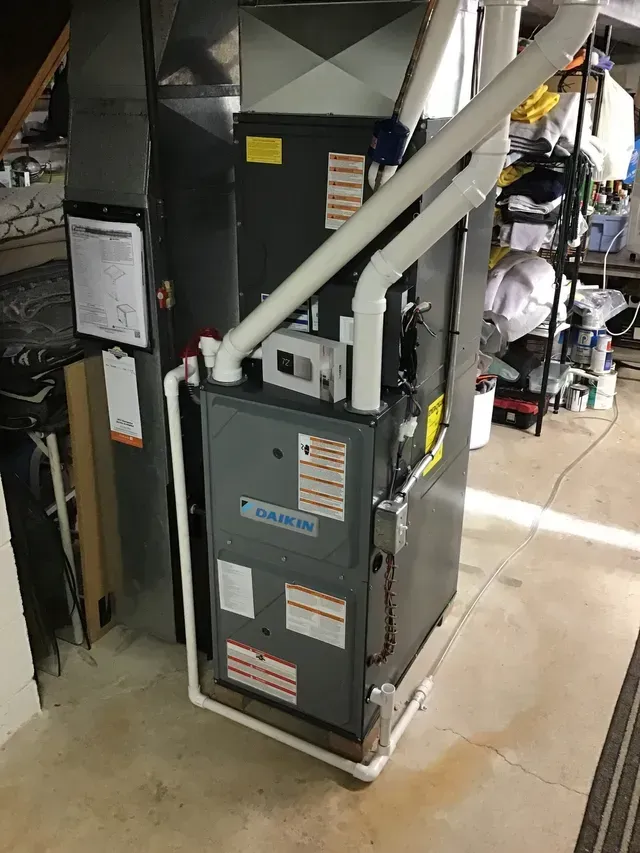
When choosing the right boiler for a Cedar Grove, WI home, the first step is assessing heating needs and space size. In our service calls throughout Cedar Grove and the surrounding rural stretches of Sheboygan County, we regularly help homeowners evaluate different types of systems, like conventional and combi boilers, based on their home's specific requirements, and a professional boiler installation consultation is the best way to sort through the options. Energy efficiency ratings matter too, since the right choice can make a real difference on monthly bills. Proper maintenance also plays a big role in keeping a boiler running smoothly for years to come. Let's explore these key aspects to make an informed decision. Key Factors for Choosing the Right Boiler When thinking through the key factors for choosing the right boiler, it's vital to evaluate a home's heating needs alongside its energy efficiency. The size of the space matters first. A boiler that's too small won't heat effectively, while an oversized unit wastes energy and drives up costs unnecessarily. Fuel type is another consideration, since gas, oil, and electric options each come with their own benefits and cost structures depending on what's already available in a Cedar Grove home. Budget matters too, not just for the initial purchase but for long-term operating expenses down the road. The boiler's efficiency rating deserves close attention as well, since higher ratings generally mean lower energy bills and a smaller environmental footprint. Maintenance needs round out the picture. A reliable boiler should fit a household's lifestyle and offer reasonably easy upkeep. Working in homes across Cedar Grove, our team has seen how much smoother this decision goes with guidance from an experienced technician who knows the local housing stock. Understanding Different Boiler Types Understanding the different types of boilers is essential for making an informed choice. There are two primary categories: conventional and combi boilers. Conventional boilers, often called regular boilers, heat water in a storage tank and work well for larger homes where hot water demand runs high. They require more space but provide a consistent, reliable supply of hot water. Combi boilers, on the other hand, heat water on demand, making them space-efficient and well-suited to smaller homes. They skip the separate tank altogether, which can save on both installation costs and ongoing energy use. System boilers are worth considering too, since they combine features of both types. Each option comes with its own pros and cons, and understanding these differences helps homeowners identify what best suits their needs. Experienced HVAC contractors familiar with boiler installation can offer valuable insight into which type makes the most sense for a given home. As homeowners explore their options, it helps to keep in mind how each type aligns with the home's layout and daily routines. Determine the Right Boiler Size for Your Home How do you determine the right boiler size for a home? The process starts with assessing heating needs based on the square footage of the living space. A rough calculation of 30 to 60 BTUs per square foot is a common starting point, depending on climate and insulation quality. The number of rooms requiring heat and the ceiling height also factor in, since these impact overall heat loss. Home layout matters too. Open floor plans may need less heating capacity than segmented spaces with a lot of separate rooms. Older windows or poor insulation, both common in some of Cedar Grove's older farmhouses and rural properties, can mean a larger boiler is needed to compensate for heat loss. Hot water demand, like showers and laundry usage, rounds out the picture. Once this information is gathered, consulting with a professional through boiler maintenance and sizing guidance helps guarantee the right fit without wasting energy or overspending on unnecessary capacity. How Energy Efficiency Ratings Impact Your Boiler Choice Choosing a boiler that meets a home's needs isn't just about size. Energy efficiency ratings play an essential role in the decision too. These ratings affect monthly energy bills, environmental footprint, and overall comfort at home. A few key factors are worth weighing when evaluating efficiency: Annual Fuel Utilization Efficiency (AFUE): This percentage indicates how much fuel gets converted into usable heat. The higher the AFUE, the more efficient the boiler. Energy Star Certification: Boilers with this label meet strict energy efficiency guidelines set by the EPA, offering an added layer of confidence in the choice. Lifecycle Cost: While an energy-efficient boiler may carry a higher upfront cost, it often saves money over time through reduced energy bills and fewer repairs. Maintaining optimal humidity levels throughout a Cedar Grove home can further support overall energy efficiency alongside the right boiler choice. Maintenance Tips for Longevity and Performance Keeping a boiler running efficiently and extending its lifespan comes down to regular maintenance. Scheduling annual inspections with a certified technician is a strong first step, since it catches potential issues early before they turn into bigger repairs. Based on what we see in Cedar Grove properties, this single habit prevents more emergency calls than almost anything else. Checking the pressure gauge monthly and keeping it within the recommended range matters too, along with bleeding radiators periodically to remove trapped air and improve heat distribution throughout the home. Keeping the area around the boiler clear of debris supports proper airflow and reduces fire hazards, and the flue pipe should be checked periodically for blockages and confirmed to be securely attached. A full boiler service visit covers all of this and more, and maintaining a consistent heating schedule while avoiding drastic temperature swings helps reduce strain on the system overall. Finding the Boiler That Fits Your Home for the Long Haul Choosing the right boiler for a Cedar Grove home means balancing comfort with efficiency, without sacrificing one for the other. While a high-efficiency model may come with a bigger investment upfront, it often pays off in long-term savings and reliable warmth through even the coldest Wisconsin winters. By weighing both immediate needs and future benefits, homeowners can find a boiler that truly fits their household for years to come. When you're ready to take the next step, our team at Professional Services Heating, AC & Electric Repair is here to help guide the decision, so feel free to schedule your service today .
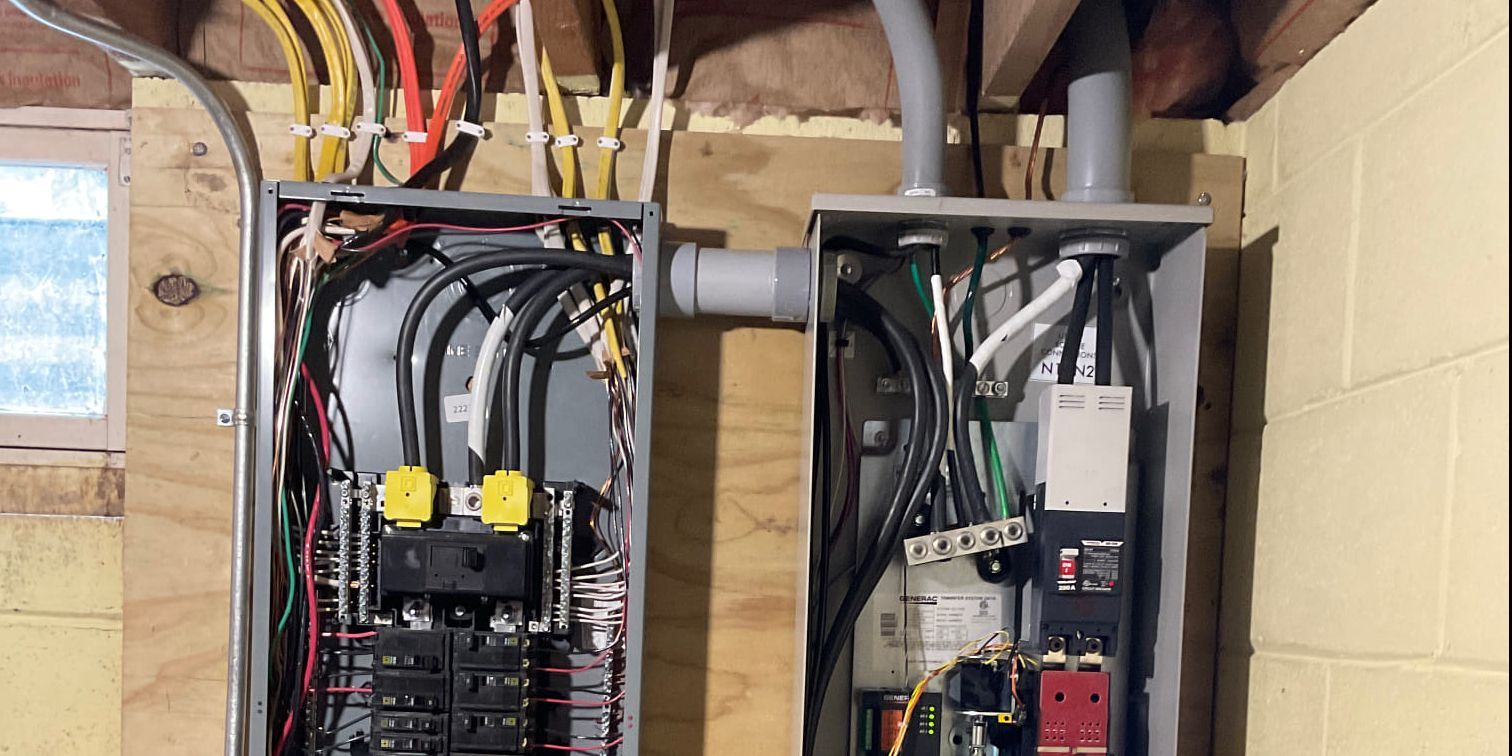
Aluminum wiring in Thiensville, WI homes poses serious fire risks due to its inefficiency and tendency to overheat. In our service calls throughout Thiensville, from homes near the Milwaukee River to properties along the village's older residential streets, we often find aluminum wiring that can lead to poor connections and oxidation, increasing the chances of electrical arcing. Homeowners should be on the lookout for signs like flickering lights or frequent circuit breaker trips, and a professional electrical inspection is the safest way to confirm what's really going on behind the walls. Replacing aluminum wiring with copper through professional service can greatly enhance safety and efficiency. Let's explore how this process can help safeguard your home. Why Aluminum Wiring Poses Fire Risks in Your Home When considering the safety of a home, one vital factor often overlooked is aluminum wiring. While it was commonly used in the past, homeowners need to recognize that aluminum can present serious fire risks. Unlike copper, aluminum wiring doesn't conduct electricity as efficiently, which can lead to overheating at connections. This overheating can cause wire insulation to break down, increasing the chance of electrical arcing and, ultimately, fires. Aluminum is also prone to oxidation, which can create resistance at connections, further compounding the risk. These issues can go unnoticed until it's too late, which is why being proactive matters so much. If aluminum wiring is suspected anywhere in the home, it's wise to consult a licensed professional rather than waiting for a visible problem to appear. Addressing this issue promptly helps guarantee the safety and comfort of a living space, avoiding potential hazards down the line. Homes with outdated wiring are notably more likely to experience an electrical fire, which underscores just how urgent this matter can be. Working in homes across Thiensville, our team treats aluminum wiring concerns as a priority every time they come up. Signs You Might Have Aluminum Wiring Recognizing the signs of aluminum wiring is essential for guaranteeing a home's safety. One red flag is the age of the wiring. Homes built between the 1960s and 1970s, which describes a good number of properties throughout Thiensville, are more likely to have aluminum wiring somewhere in the system. Another indicator is the presence of aluminum-rated outlets and switches, often marked with a label stating "Aluminum." Flickering lights or frequent circuit breaker trips can also signal issues related to aluminum wiring. Unusual heat at outlets or switches is worth paying attention to as well, since it can indicate poor connections. Corrosion on any exposed wires is a strong sign that aluminum wiring is present. Based on what we see in Thiensville properties, a thorough inspection covering the entire electrical system is the most reliable way to catch these hazards early, rather than waiting for a single warning sign to escalate. How Professional Services Can Safely Rewire Your Home If aluminum wiring is suspected in a home, rewiring is essential for both safety and peace of mind. At Professional Services Heating, AC & Electric Repair, our team recognizes the unique challenges aluminum wiring presents. Our certified electricians are trained to handle these specific issues, ensuring a safe and efficient rewire from start to finish. The process begins with a thorough assessment of the current wiring system, identifying any problem areas throughout the home. Once there's a clear picture, our team develops a tailored plan to replace the aluminum wiring with safer, more reliable copper alternatives. Throughout the process, we prioritize transparent communication and keep homeowners informed at every step. Our team works efficiently to minimize disruption to daily life, and our comprehensive electrical services make sure every aspect of the system is brought up to code. With our ongoing maintenance plans, we can also help protect the new wiring for the long term. Choosing Professional Services Heating, AC & Electric Repair means investing in a secure, worry-free home. What to Do If You Suspect Aluminum Wiring Aluminum wiring can pose serious safety risks, so it's important to act quickly if it's suspected in a home. The first step is recognizing the signs, like frequent circuit breaker trips or flickering lights. If these issues show up, it's best to avoid using the affected circuits and to steer clear of any DIY fixes. Instead, contacting a licensed electrician is the safest path forward for a proper assessment. Visible connections or splices that appear corroded or loose are significant red flags worth noting as well. Documenting these concerns ahead of time can help an electrician provide a more thorough evaluation during the visit. Understanding the potential hazards of aluminum wiring helps homeowners make more informed decisions about their safety. Scheduling a carbon monoxide and smoke detector check alongside an electrical inspection is also a smart way to round out a home's overall safety picture, since faulty wiring and detection gaps often go hand in hand. Taking these steps seriously helps protect homes and the people living in them. Benefits of Choosing Professional Services for Aluminum Wiring Rewiring When it comes to rewiring aluminum wiring, choosing Professional Services Heating, AC & Electric Repair means making a smart, safe choice for your home. Our team of certified professionals understands the unique challenges aluminum wiring presents, ensuring the rewiring is done correctly and safely. This expertise not only helps prevent potential fire hazards but also enhances a home's overall electrical efficiency, something especially valuable heading into a Wisconsin winter when electrical systems work harder to support heating and lighting demands. With 24/7 emergency service, homeowners can rest easy knowing help is just a call away. Our thorough maintenance plans protect that investment over time while keeping costs predictable, and we prioritize transparent communication so homeowners are always in the loop about the process and the costs involved. Protecting Your Thiensville Home From Wiring Hazards Aluminum wiring is one of those hidden risks that can sit quietly in a home for years before becoming a real problem, and that's exactly why it deserves attention sooner rather than later. Skipping the risk and choosing safety instead means trading unreliable aluminum for wiring built to last. By rewiring with a trusted local team, Thiensville homeowners can make sure their home stays a safe, comfortable place for years to come. If you're ready to take that step, our team at Professional Services Heating, AC & Electric Repair is here to help, so don't hesitate to contact our team today .
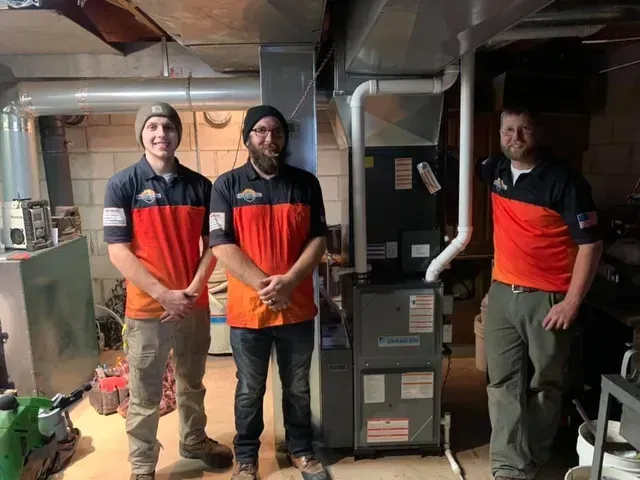
If a boiler starts leaking water in Port Washington, WI, it's not something to wait on. In our service calls throughout Port Washington, from homes near the harbor to properties further out toward the county line, common causes include faulty pressure relief valves, corrosion, or loose connections. The safest first step is to shut off the boiler and the water supply, then have a professional conduct a proper boiler repair visit rather than attempting fixes on the system yourself. If the issue persists or strange noises show up, it's time to bring in professional help. Let's explore more on identifying these leaks and what to expect from a proper fix. Common Signs of a Boiler Leak You Shouldn't Ignore When it comes to boiler leaks, certain warning signs shouldn't be overlooked. Water pooling around the boiler is one of the clearest red flags a homeowner can spot. Unusual noises, like hissing or gurgling, can also signal trouble developing inside the system. Rust or corrosion appearing on the boiler's surface is another sign worth taking seriously rather than dismissing. Fluctuating heating temperatures can point to a leak too, as the system struggles to maintain efficiency while losing water. A sudden increase in the water bill is often an overlooked clue that points to a hidden leak somewhere in the system. Working in homes across Port Washington, our team has found that regular boiler maintenance programs catch most of these issues well before they escalate into something bigger. What Causes a Boiler to Leak Water? Boilers can leak water for several reasons, and understanding these causes helps prevent more serious issues down the line. One common culprit is a faulty pressure relief valve, which can fail and lead to leaks over time. Corrosion in the boiler tank or pipes is another frequent issue, often tied to age or mineral buildup that's common in older Port Washington homes. Loose fittings or connections can also loosen gradually, allowing water to escape. Sediment buildup is worth watching for too, since it can create blockages that increase pressure and eventually cause leaks. A malfunctioning pump can lead to water accumulation as well. Based on what we see in Port Washington properties, identifying these problems early through a professional boiler maintenance visit makes a real difference in avoiding costlier repairs down the road. If any signs of leaking show up, the best move is consulting a professional to diagnose and address the issue promptly rather than letting it linger. Diagnosing Your Boiler Leak: What to Look For Noticing a leak in a boiler can be concerning, especially once potential causes like faulty valves or corrosion come into play. A proper diagnosis starts with checking the area around the boiler for visible signs of water, which helps pinpoint the source. The pressure gauge gets checked next, since an unusually high reading can point to an underlying problem. Pipes get examined for damp spots or rust, both of which can signal a developing leak, and fittings and connections are inspected closely, since loose or damaged components are a frequent cause of water escape. The drain valve is checked to confirm it's closed properly, and any unusual noises, like hissing or gurgling, are worth investigating further as part of a complete evaluation. This kind of thorough diagnostic work is exactly why a professional visit makes more sense than guesswork, and our team makes sure the process is handled at a fair, transparent price for every Port Washington homeowner we work with. What Happens During Professional Boiler Leak Repair Once a leak is discovered, taking swift action matters, and that action is best handled by a trained technician rather than through home repairs. The boiler and water supply get shut off first to prevent further damage. From there, a technician checks the pressure gauge and releases pressure through the proper valve if needed to bring the system back to a safe level. Visible pipes and connections get a close inspection for wear or loose fittings, since tightening these components correctly is a job that calls for the right tools and training. If corrosion is present, it gets addressed properly rather than papered over with a temporary patch, and any sealant or repair work follows manufacturer specifications to make sure the fix holds. The boiler then gets monitored to verify the leak has been fully resolved, giving homeowners confidence that the system is back to safe, reliable operation rather than facing a repeat issue down the line. When to Hire an Expert for Boiler Leak Repairs When is it time to call in a professional for boiler leak repairs? Persistent leaks or a noticeable drop in water pressure are both signs that shouldn't be ignored. Visible corrosion or rust is another reason to bring in an expert without delay. A decline in the boiler's overall performance, like strange noises or irregular heating, is worth a professional look too. If there's any uncertainty about the cause, it's always safer to let a certified technician handle the diagnosis and repair. Professional Services Heating, AC & Electric Repair offers 24/7 emergency assistance for exactly these situations, giving Port Washington homeowners peace of mind day or night. With the right expertise, the issue gets diagnosed accurately and resolved with a lasting solution. Keeping Your Boiler Running Reliably All Winter Fixing a leaking boiler is a bit like patching a hole in a boat. Ignore it, and the situation only gets worse. By addressing the issue promptly and understanding its causes, Port Washington homeowners can keep their homes warm and comfortable even through the harshest Wisconsin winters. If a leak persists despite basic checks, don't hesitate to call in the experts. Our team at Professional Services Heating, AC & Electric Repair is ready to help, so feel free to contact our team today .
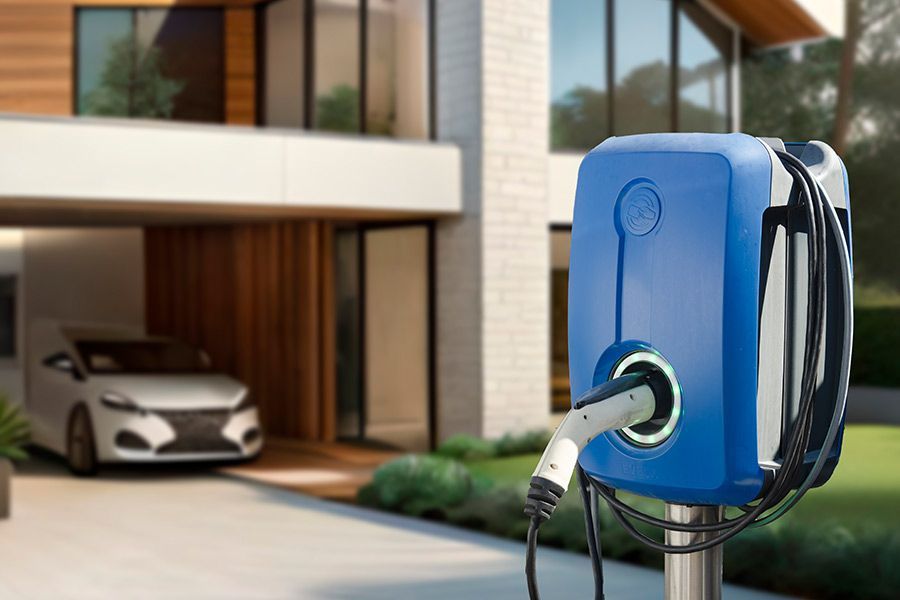
Upgrading an electrical system is vital for safely installing an EV charger in Thiensville, WI. In our service calls throughout Thiensville, from homes near the Milwaukee River to properties along Range Line Road, many homes simply can't handle the increased demand of an EV charger, especially if they don't have at least 200 amps of capacity. A proper EV charging station installation starts with checking the main panel, identifying dedicated circuits, and determining whether wiring upgrades are needed. Quality components matter throughout the process to guarantee safety and long-term efficiency. Curious about the best way to get started? Let's explore what a successful installation actually requires. Why Upgrading Your Electrical System Is Essential for EV Chargers As more homeowners embrace electric vehicles, upgrading the home's electrical system becomes essential for guaranteeing efficient and safe EV charger installations. Many homes simply weren't designed to support the increased electrical demand that comes with regularly charging an EV. Evaluating and enhancing the electrical system helps prevent potential overloads and guarantees peak performance from day one. Proper upgrades might include adding dedicated circuits, increasing panel capacity, or even incorporating smart home technology to manage energy use more effectively. These improvements don't just accommodate EV charging needs. They enhance overall home efficiency too. Working with experienced professionals guarantees the right choices get made for each home's specific requirements, and it offers real peace of mind knowing the installation meets safety standards from the start. A Level 2 charging station in particular significantly reduces charging time and improves overall efficiency compared to a standard outlet setup. How to Assess Your Home's Electrical Capacity for EV Chargers Assessing a home's electrical capacity for an EV charger starts with understanding the current system's capabilities. The main electrical panel is the first place to check, since it determines the amperage rating, typically 100, 150, or 200 amps. From there, it helps to understand how much of that capacity is already in use by existing appliances and systems throughout the home. Circuit breakers offer another clue, since they indicate which circuits are already dedicated to high-demand devices. Nearing the panel's limit is often a sign that an upgrade is needed before charger installation can move forward safely. Wiring type and age matter too, since older systems common in some of Thiensville's established neighborhoods may not support modern EV chargers efficiently. Consulting with a licensed electrician remains the best way to pinpoint any potential issues and confirm a home can safely accommodate the new charger, with all work backed by an industry-leading guarantee for added peace of mind. Key Electrical Components Needed for EV Charger Installation When installing an EV charger, understanding the key electrical components matters for a seamless setup. A dedicated circuit breaker capable of handling the charger's load comes first, since it guarantees safety and reliable performance over time. Appropriate wiring is essential too. High-quality, durable cables need to support the charger's amperage without strain. A disconnect switch may also be required, allowing power to the charger to be safely shut off when needed. Surge protection is worth factoring in as well, helping safeguard the investment from unexpected electrical spikes, something our surge protection services team frequently pairs with EV charger installs throughout the area. Grounding rounds out the list and is critical for safety, minimizing the risk of electrical shock. Confirming these components are properly in place sets the stage for an efficient, safe EV charging experience at home, with every installation designed to comply with local codes and regulations. How to Choose the Right EV Charger for Your Home Selecting the right EV charger involves weighing a few key factors to make sure it fits a household's actual needs. Charging Speed: Level 1 chargers are considerably slower, while Level 2 chargers markedly reduce overall charging time. Compatibility: Verifying the charger works with a specific electric vehicle model matters, and checking manufacturer specifications ahead of time can prevent headaches later. Smart Features: Many chargers now come with scheduling and energy monitoring built in, which can help manage energy costs and make charging more convenient day to day. For larger properties or those considering multiple chargers, commercial electrical services may be worth exploring to ensure proper installation and safe operation at scale. How Professional Services Simplifies Your EV Charger Installation Having a reliable partner for an EV charger installation makes the entire process smoother and far less stressful. Our certified professionals at Professional Services Heating, AC & Electric Repair handle everything, from evaluating the home's electrical system to making sure the right charger gets chosen for the household's needs. There's no need to navigate complex wiring decisions or local code requirements alone. Our team takes care of that every step of the way. Transparent communication stays a priority throughout the project, so homeowners are always in the loop. With 24/7 emergency support, help is there if any issues come up after installation, and our thorough maintenance plans help protect that investment while keeping the whole system running efficiently for years to come. Preparing Your Thiensville Home for Electric Vehicle Charging Upgrading an electrical system isn't just a necessity. It's an investment in the future, especially as electric vehicles continue to become a bigger part of everyday driving. Making sure a Thiensville home is ready for an EV charger now means staying ahead of the curve rather than scrambling to catch up later. When you're ready to take that step, our team at Professional Services Heating, AC & Electric Repair is here to help make the shift to electric driving as smooth and efficient as possible, so feel free to schedule your service today .
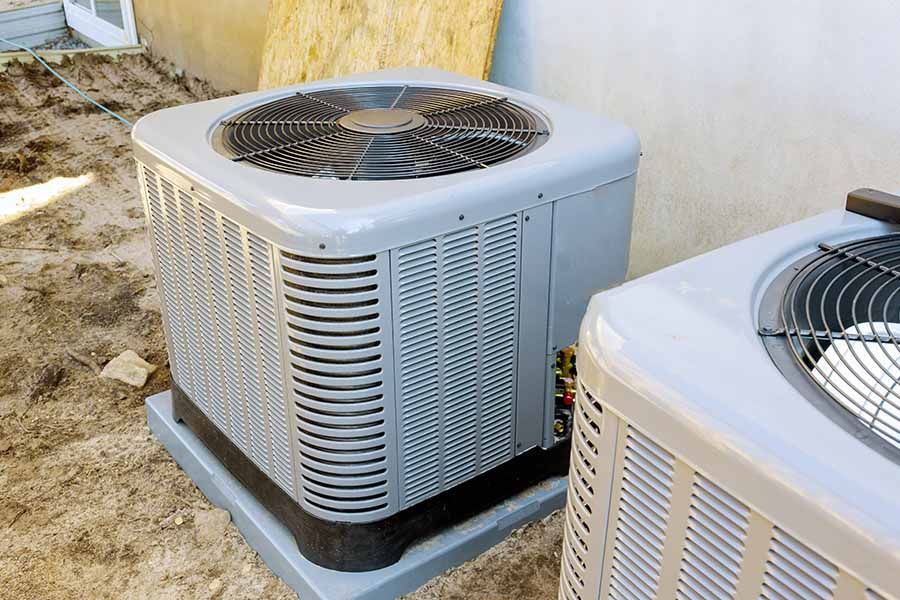
If your AC unit is leaking water in Port Washington, WI, it could be due to clogged drain lines, low refrigerant levels, or dirty air filters. In our service calls throughout Port Washington, from homes near the harbor to properties farther inland off Highway 33, these issues show up more often than homeowners expect, especially once the humid summer months settle in along Lake Michigan. These problems can lead to further damage if not addressed quickly, and the safest first step is to shut down the unit and have a professional take a look at potential clogs or ice buildup . Stick with us, and we'll share more on what causes these leaks and how to keep your system running efficiently for the long haul. What Causes AC Leaks? When an air conditioning system leaks, it can be frustrating and concerning for any homeowner. Working in homes across Port Washington, our team sees a few common culprits repeatedly. One is a clogged condensate drain line, which prevents water from draining properly and sends it backing up into the home instead. Another possibility is low refrigerant levels, which can lead to ice buildup on the coil that melts and drips once the system cycles off. The condition of the air filter matters too. A dirty filter restricts airflow, which can cause the evaporator coil to freeze and eventually leak water as it thaws. Damaged or rusted drain pans can also allow water to escape, and improper installation or a malfunctioning condensate pump may contribute to leaks as well. Understanding these causes helps our team at Professional Services Heating, AC & Electric Repair diagnose the issue accurately and get ahead of any further complications. Based on what we see in Port Washington properties, especially older homes near the downtown historic district, regular professional upkeep makes a real difference in preventing these issues before they start. Is Your AC Acting Up? Here's What to Look For Is your AC behaving strangely? It happens to plenty of homeowners, and recognizing the warning signs early can save you from a bigger repair down the road. First, listen for unusual noises. Clanking or buzzing sounds often point to a mechanical issue that needs attention. Next, pay attention to temperature fluctuations. If a room isn't cooling the way it should, that's worth investigating. Also keep an eye out for water pooling around the unit. This is often a sign of a clogged drain line or a refrigerant issue, and it's something we regularly diagnose during AC maintenance visits throughout the area. Finally, an increase in indoor humidity or unpleasant odors can signal deeper issues with air quality and system function. If you're noticing any of these signs, it's best to bring in a professional for an evaluation rather than waiting for the problem to grow. How to Safely Address Your Leaking AC Unit Addressing a leaking AC unit calls for prompt, careful attention, and the safest path is professional evaluation rather than a DIY fix. Shutting off the unit as soon as you notice a leak helps prevent additional water damage. From there, a trained technician will locate the source of the leak, whether it's coming from the drain pan, a cracked line, or the evaporator coil itself . Because a frozen or damaged coil is one of the more frequent causes we encounter in Port Washington homes, our technicians inspect it closely as part of every service call. Our process typically includes: Identifying the exact source of the leak, whether from the drain pan or a damaged line. Removing any standing water safely to minimize damage to floors, walls, or nearby belongings. Clearing the affected area and placing protective materials as needed while repairs are completed. Scheduling a full system evaluation to confirm the AC is restored to proper working condition and to catch any related issues, like low refrigerant, before they cause further leaks. When to Call an HVAC Professional for AC Repairs How can you tell if it's time to call in an HVAC professional? If your AC is leaking water, that's already a clear sign it's time to reach out for help. Other indicators include strange noises, weak airflow, or a system that isn't cooling your home effectively. Unusual smells or a thermostat that isn't responding correctly are also worth flagging. When these issues arise, acting quickly matters. Ignoring them can lead to more significant, and more expensive, problems down the line, particularly if low refrigerant is involved, since that requires a licensed technician to safely diagnose and correct through proper refrigerant leak repair . If basic checks like the air filter and visible drainage don't resolve the issue, it's best to contact a certified professional. Our team at Professional Services Heating, AC & Electric Repair diagnoses the problem accurately and performs the repairs needed to get your system back on track. Local expertise matters here too, since homes throughout Port Washington face different conditions depending on their proximity to the lake, and that context helps us resolve issues efficiently. Tips to Prevent Future AC Leaks and Ensure Efficiency To keep your AC system running smoothly and prevent leaks, regular maintenance and a bit of proactive planning go a long way. By staying ahead of potential issues, homeowners throughout Port Washington can keep their systems operating efficiently through every season, from the humid stretches of summer to the demands of a Wisconsin winter changeover. A few practical habits worth following: Have air filters changed on a regular schedule, since clean filters support proper airflow and reduce strain on the system. Have drain lines inspected periodically to catch blockages before they cause water overflow. Schedule annual professional maintenance so a trained technician can evaluate the system and catch any underlying issues before they escalate. Keeping Your AC Running Leak-Free While it might feel like your AC is trying to create its own indoor pool, the reality is that most leaks trace back to a handful of preventable causes. By understanding what's behind them and staying ahead with regular professional care, you can keep your home cool and dry through every Port Washington season. A little consistent maintenance goes a long way toward avoiding those pesky puddles. If things start to feel overwhelming, our team at Professional Services Heating, AC & Electric Repair is ready to help, so don't hesitate to schedule your AC service today .