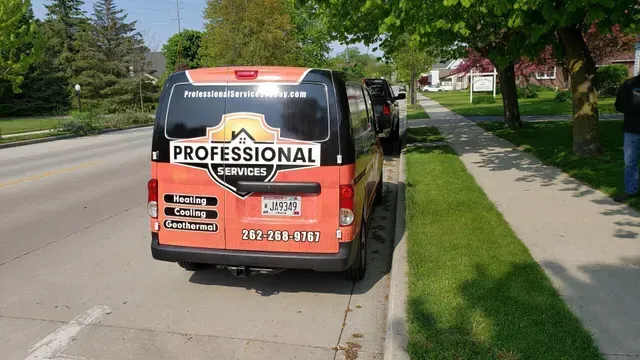

AC Repair in West Bend, WI
West Bend is Washington County's largest city, and its neighborhoods reflect more than a century of residential growth — from the dense older blocks near the Milwaukee River and downtown to the ranch homes and split-levels that spread through the postwar decades to the newer subdivisions filling in along the city's edges today. That range of housing means the AC systems we service here run the full spectrum of age, configuration, and condition.
Professional Services Heating, AC, and Electric Repair serves West Bend homeowners with the same standard on every call: a thorough diagnostic, an honest assessment, and repair work that holds. Our certified technicians know how to work across all residential cooling systems and all generations of equipment, and we take the time to explain what we find before any wrench turns.
When a Wisconsin summer decides to make itself known and your AC cannot keep up, we are ready to respond — day or night.
What Our West Bend AC Repair Visits Cover
Every call in West Bend starts with a complete system evaluation. Washington County sits well inland from Lake Michigan, which means summer heat events here arrive without the lakeshore moderation that communities to the east sometimes catch — and when temperatures climb, they climb hard. A thorough diagnostic is how we make sure a repair today does not bring us back for a different problem next week.
We locate and repair refrigerant leaks before recharging to manufacturer specifications, replace failed capacitors and contactors, service or replace blower and condenser fan motors, clear and inspect condensate drain lines, and address compressor and electrical faults throughout the system. Coil condition, refrigerant pressures, thermostat calibration, and duct system airflow all get checked on every visit.
West Bend's older neighborhoods near the river and downtown core include homes where central air was retrofitted decades after construction, often with ductwork that was routed for convenience rather than performance. Those systems carry airflow compromises that accumulate over time, and we look for them specifically when diagnosing cooling problems in the city's established residential areas.
Signs Your West Bend AC Needs Repair
West Bend's inland position means it does not get the occasional lake breeze that moderates temperatures in shoreline communities — when summer heat settles in here, it tends to stay. A system that is beginning to fail has very little margin to hide behind in those conditions. Watch for these warning signs before a developing problem becomes a full breakdown.
• Vents blowing warm or barely cooled air
• System running continuously without hitting the set temperature
• Energy bills higher than the same stretch last summer
• Ice on the refrigerant lines or outdoor unit
• Grinding, rattling, or squealing sounds during operation
• Indoor air feeling stuffy and humid despite the AC running
• Water pooling or staining near the indoor air handler
• Noticeable temperature differences between floors or rooms
West Bend homeowners in older ranch homes often notice that last symptom first — rooms at the far end of long duct runs that never quite reach the set temperature. In houses where the ductwork was sized for a smaller or less demanding system, that gap widens as equipment ages and loses efficiency.
Why West Bend's Inland Climate Pushes AC Systems Harder
Sitting roughly 35 miles from Lake Michigan, West Bend gets none of the thermal buffering that lakeshore communities rely on during the worst summer heat events. When a high-pressure system parks over southeastern Wisconsin in July or August, temperatures in West Bend climb faster, stay higher, and hold longer than they do in communities closer to the water. For AC equipment, that means sustained full-load operation for days at a stretch with no overnight relief.
The Milwaukee River runs through the heart of West Bend, and its influence is more localized than the broad lake effect experienced closer to shore. Neighborhoods adjacent to the river and its tributaries — particularly in the older sections of the east and west sides — experience a pocket of elevated humidity that keeps condensate systems busier and promotes the kind of gradual coil contamination that undermines system efficiency without triggering any obvious failure. Homeowners in those areas often notice their system running longer than it used to before they connect it to a maintenance need.
The city's housing age adds its own pressure. West Bend has a substantial stock of homes built between the 1940s and 1970s, many running equipment that has been in place for 15 to 25 years. At that age in a continental climate with hot summers and cold winters, the thermal cycling stress on components is significant. Capacitors, contactors, and motors that have expanded and contracted through hundreds of Wisconsin seasons reach the end of their service life on a compressed timeline compared to identical equipment in more temperate regions.
A Service Call on West Bend's East Side
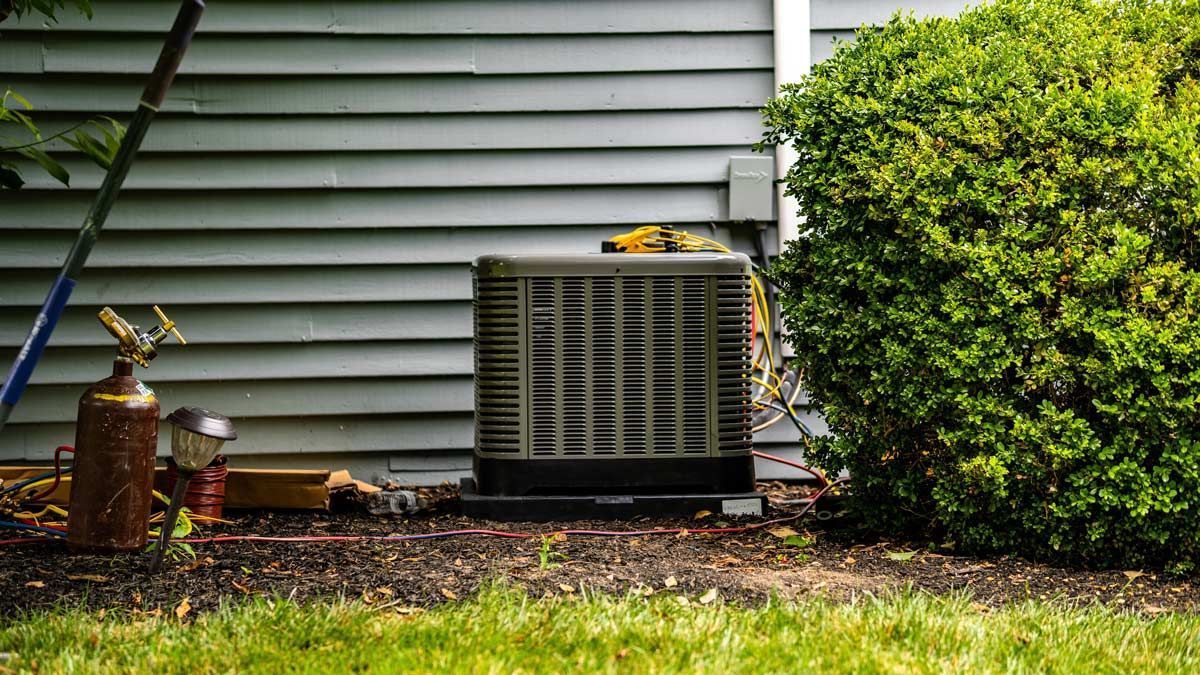
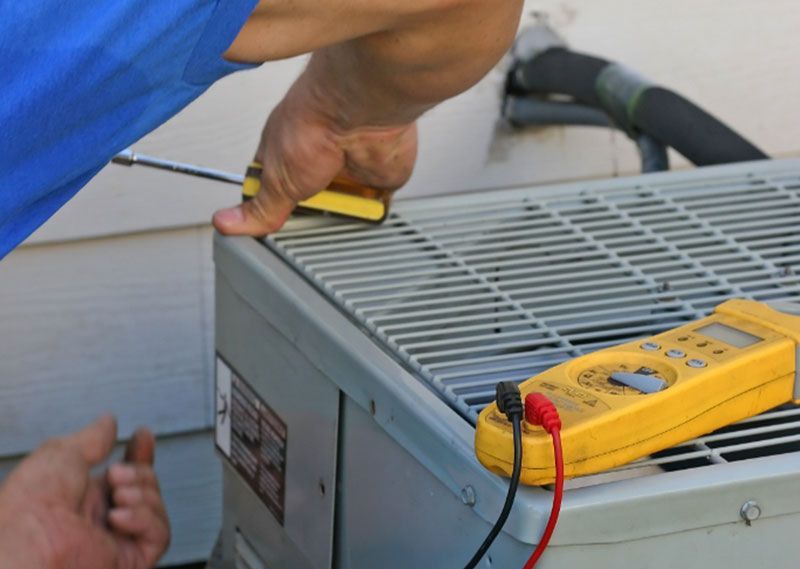
We received a call one Monday morning in August from a homeowner named Janet whose system had been struggling since the previous Thursday. Her ranch home on the east side of West Bend near the river had been holding at 80 degrees with the thermostat set to 72, and the system was running almost without interruption.
Our technician found a combination of issues that had developed in parallel. The run capacitor was weakening — not failed outright, but operating well below its rated capacity — which was causing the compressor to start under load and run at reduced efficiency. At the same time, the condenser coil had accumulated two seasons of cottonwood and debris from a nearby tree line, and the restricted airflow meant the system could not shed heat effectively even when the compressor was running. Neither problem alone would have explained the full degree of performance loss, but together they had reduced the system to roughly half its rated output.
We replaced the capacitor, cleaned the condenser coil, and verified refrigerant pressures and electrical component condition before leaving. Janet mentioned her neighbor had gone through a similar situation the previous summer, which is not unusual in a neighborhood where homes and equipment ages are similar. We enrolled her in a maintenance plan and noted the cottonwood exposure as a factor that warrants a coil check each spring before the season starts.
Why West Bend Homeowners Choose Professional Services Heating, AC & Electric Repair
West Bend expects straight talk and dependable follow-through from the companies it does business with. Here is what homeowners here tell us they value most about working with Professional Services Heating, AC, and Electric Repair.
- 24/7 emergency service, every day of the year
- Full diagnostics before any repair recommendation
- Honest guidance on repair versus replacement
- Maintenance plans suited to inland Wisconsin summers
- HVAC, plumbing, and electrical from one team
- Technicians who explain the work in plain language