
How to Choose the Right Boiler for Your Cedar Grove, WI Home

Professional Services Heating, AC & Electric Repair

August 31, 2026

When choosing the right boiler for a Cedar Grove, WI home, the first step is assessing heating needs and space size. In our service calls throughout Cedar Grove and the surrounding rural stretches of Sheboygan County, we regularly help homeowners evaluate different types of systems, like conventional and combi boilers, based on their home's specific requirements, and a professional boiler installation consultation is the best way to sort through the options. Energy efficiency ratings matter too, since the right choice can make a real difference on monthly bills. Proper maintenance also plays a big role in keeping a boiler running smoothly for years to come. Let's explore these key aspects to make an informed decision.

Key Factors for Choosing the Right Boiler

When thinking through the key factors for choosing the right boiler, it's vital to evaluate a home's heating needs alongside its energy efficiency.

The size of the space matters first. A boiler that's too small won't heat effectively, while an oversized unit wastes energy and drives up costs unnecessarily.

Fuel type is another consideration, since gas, oil, and electric options each come with their own benefits and cost structures depending on what's already available in a Cedar Grove home.

Budget matters too, not just for the initial purchase but for long-term operating expenses down the road.

The boiler's efficiency rating deserves close attention as well, since higher ratings generally mean lower energy bills and a smaller environmental footprint.

Maintenance needs round out the picture. A reliable boiler should fit a household's lifestyle and offer reasonably easy upkeep. Working in homes across Cedar Grove, our team has seen how much smoother this decision goes with guidance from an experienced technician who knows the local housing stock.

Understanding Different Boiler Types

Understanding the different types of boilers is essential for making an informed choice. There are two primary categories: conventional and combi boilers.

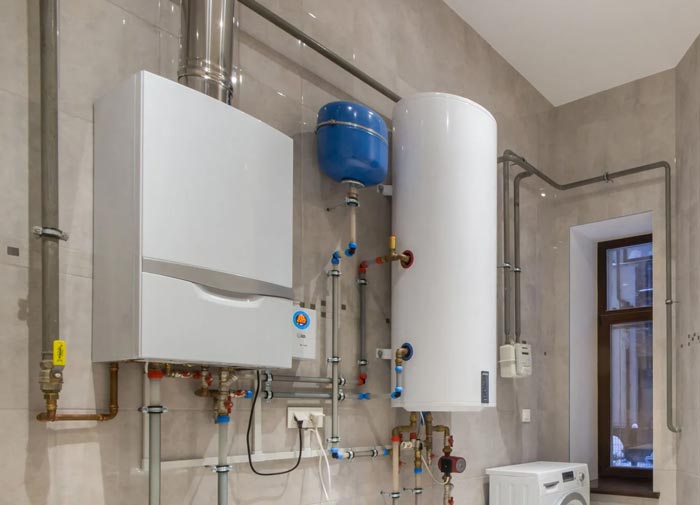
Conventional boilers, often called regular boilers, heat water in a storage tank and work well for larger homes where hot water demand runs high. They require more space but provide a consistent, reliable supply of hot water.

Combi boilers, on the other hand, heat water on demand, making them space-efficient and well-suited to smaller homes. They skip the separate tank altogether, which can save on both installation costs and ongoing energy use.

System boilers are worth considering too, since they combine features of both types. Each option comes with its own pros and cons, and understanding these differences helps homeowners identify what best suits their needs. Experienced HVAC contractors familiar with boiler installation can offer valuable insight into which type makes the most sense for a given home.

As homeowners explore their options, it helps to keep in mind how each type aligns with the home's layout and daily routines.

Determine the Right Boiler Size for Your Home

How do you determine the right boiler size for a home? The process starts with assessing heating needs based on the square footage of the living space. A rough calculation of 30 to 60 BTUs per square foot is a common starting point, depending on climate and insulation quality.

The number of rooms requiring heat and the ceiling height also factor in, since these impact overall heat loss. Home layout matters too. Open floor plans may need less heating capacity than segmented spaces with a lot of separate rooms.

Older windows or poor insulation, both common in some of Cedar Grove's older farmhouses and rural properties, can mean a larger boiler is needed to compensate for heat loss.

Hot water demand, like showers and laundry usage, rounds out the picture. Once this information is gathered, consulting with a professional through boiler maintenance and sizing guidance helps guarantee the right fit without wasting energy or overspending on unnecessary capacity.

How Energy Efficiency Ratings Impact Your Boiler Choice

Choosing a boiler that meets a home's needs isn't just about size. Energy efficiency ratings play an essential role in the decision too.

These ratings affect monthly energy bills, environmental footprint, and overall comfort at home. A few key factors are worth weighing when evaluating efficiency:

Annual Fuel Utilization Efficiency (AFUE): This percentage indicates how much fuel gets converted into usable heat. The higher the AFUE, the more efficient the boiler. Energy Star Certification: Boilers with this label meet strict energy efficiency guidelines set by the EPA, offering an added layer of confidence in the choice. Lifecycle Cost: While an energy-efficient boiler may carry a higher upfront cost, it often saves money over time through reduced energy bills and fewer repairs.

Maintaining optimal humidity levels throughout a Cedar Grove home can further support overall energy efficiency alongside the right boiler choice.

Maintenance Tips for Longevity and Performance

Keeping a boiler running efficiently and extending its lifespan comes down to regular maintenance. Scheduling annual inspections with a certified technician is a strong first step, since it catches potential issues early before they turn into bigger repairs. Based on what we see in Cedar Grove properties, this single habit prevents more emergency calls than almost anything else.

Checking the pressure gauge monthly and keeping it within the recommended range matters too, along with bleeding radiators periodically to remove trapped air and improve heat distribution throughout the home.

Keeping the area around the boiler clear of debris supports proper airflow and reduces fire hazards, and the flue pipe should be checked periodically for blockages and confirmed to be securely attached.

A full boiler service visit covers all of this and more, and maintaining a consistent heating schedule while avoiding drastic temperature swings helps reduce strain on the system overall.

Finding the Boiler That Fits Your Home for the Long Haul

Choosing the right boiler for a Cedar Grove home means balancing comfort with efficiency, without sacrificing one for the other. While a high-efficiency model may come with a bigger investment upfront, it often pays off in long-term savings and reliable warmth through even the coldest Wisconsin winters. By weighing both immediate needs and future benefits, homeowners can find a boiler that truly fits their household for years to come. When you're ready to take the next step, our team at Professional Services Heating, AC & Electric Repair is here to help guide the decision, so feel free to schedule your service today.
You might also like
August 31, 2026
Aluminum wiring in Thiensville, WI homes poses serious fire risks due to its inefficiency and tendency to overheat. In our service calls throughout Thiensville, from homes near the Milwaukee River to properties along the village's older residential streets, we often find aluminum wiring that can lead to poor connections and oxidation, increasing the chances of electrical arcing. Homeowners should be on the lookout for signs like flickering lights or frequent circuit breaker trips, and a professional electrical inspection is the safest way to confirm what's really going on behind the walls. Replacing aluminum wiring with copper through professional service can greatly enhance safety and efficiency. Let's explore how this process can help safeguard your home. Why Aluminum Wiring Poses Fire Risks in Your Home When considering the safety of a home, one vital factor often overlooked is aluminum wiring. While it was commonly used in the past, homeowners need to recognize that aluminum can present serious fire risks. Unlike copper, aluminum wiring doesn't conduct electricity as efficiently, which can lead to overheating at connections. This overheating can cause wire insulation to break down, increasing the chance of electrical arcing and, ultimately, fires. Aluminum is also prone to oxidation, which can create resistance at connections, further compounding the risk. These issues can go unnoticed until it's too late, which is why being proactive matters so much. If aluminum wiring is suspected anywhere in the home, it's wise to consult a licensed professional rather than waiting for a visible problem to appear. Addressing this issue promptly helps guarantee the safety and comfort of a living space, avoiding potential hazards down the line. Homes with outdated wiring are notably more likely to experience an electrical fire, which underscores just how urgent this matter can be. Working in homes across Thiensville, our team treats aluminum wiring concerns as a priority every time they come up. Signs You Might Have Aluminum Wiring Recognizing the signs of aluminum wiring is essential for guaranteeing a home's safety. One red flag is the age of the wiring. Homes built between the 1960s and 1970s, which describes a good number of properties throughout Thiensville, are more likely to have aluminum wiring somewhere in the system. Another indicator is the presence of aluminum-rated outlets and switches, often marked with a label stating "Aluminum." Flickering lights or frequent circuit breaker trips can also signal issues related to aluminum wiring. Unusual heat at outlets or switches is worth paying attention to as well, since it can indicate poor connections. Corrosion on any exposed wires is a strong sign that aluminum wiring is present. Based on what we see in Thiensville properties, a thorough inspection covering the entire electrical system is the most reliable way to catch these hazards early, rather than waiting for a single warning sign to escalate. How Professional Services Can Safely Rewire Your Home If aluminum wiring is suspected in a home, rewiring is essential for both safety and peace of mind. At Professional Services Heating, AC & Electric Repair, our team recognizes the unique challenges aluminum wiring presents. Our certified electricians are trained to handle these specific issues, ensuring a safe and efficient rewire from start to finish. The process begins with a thorough assessment of the current wiring system, identifying any problem areas throughout the home. Once there's a clear picture, our team develops a tailored plan to replace the aluminum wiring with safer, more reliable copper alternatives. Throughout the process, we prioritize transparent communication and keep homeowners informed at every step. Our team works efficiently to minimize disruption to daily life, and our comprehensive electrical services make sure every aspect of the system is brought up to code. With our ongoing maintenance plans, we can also help protect the new wiring for the long term. Choosing Professional Services Heating, AC & Electric Repair means investing in a secure, worry-free home. What to Do If You Suspect Aluminum Wiring Aluminum wiring can pose serious safety risks, so it's important to act quickly if it's suspected in a home. The first step is recognizing the signs, like frequent circuit breaker trips or flickering lights. If these issues show up, it's best to avoid using the affected circuits and to steer clear of any DIY fixes. Instead, contacting a licensed electrician is the safest path forward for a proper assessment. Visible connections or splices that appear corroded or loose are significant red flags worth noting as well. Documenting these concerns ahead of time can help an electrician provide a more thorough evaluation during the visit. Understanding the potential hazards of aluminum wiring helps homeowners make more informed decisions about their safety. Scheduling a carbon monoxide and smoke detector check alongside an electrical inspection is also a smart way to round out a home's overall safety picture, since faulty wiring and detection gaps often go hand in hand. Taking these steps seriously helps protect homes and the people living in them. Benefits of Choosing Professional Services for Aluminum Wiring Rewiring When it comes to rewiring aluminum wiring, choosing Professional Services Heating, AC & Electric Repair means making a smart, safe choice for your home. Our team of certified professionals understands the unique challenges aluminum wiring presents, ensuring the rewiring is done correctly and safely. This expertise not only helps prevent potential fire hazards but also enhances a home's overall electrical efficiency, something especially valuable heading into a Wisconsin winter when electrical systems work harder to support heating and lighting demands. With 24/7 emergency service, homeowners can rest easy knowing help is just a call away. Our thorough maintenance plans protect that investment over time while keeping costs predictable, and we prioritize transparent communication so homeowners are always in the loop about the process and the costs involved. Protecting Your Thiensville Home From Wiring Hazards Aluminum wiring is one of those hidden risks that can sit quietly in a home for years before becoming a real problem, and that's exactly why it deserves attention sooner rather than later. Skipping the risk and choosing safety instead means trading unreliable aluminum for wiring built to last. By rewiring with a trusted local team, Thiensville homeowners can make sure their home stays a safe, comfortable place for years to come. If you're ready to take that step, our team at Professional Services Heating, AC & Electric Repair is here to help, so don't hesitate to contact our team today .
August 31, 2026
If a boiler starts leaking water in Port Washington, WI, it's not something to wait on. In our service calls throughout Port Washington, from homes near the harbor to properties further out toward the county line, common causes include faulty pressure relief valves, corrosion, or loose connections. The safest first step is to shut off the boiler and the water supply, then have a professional conduct a proper boiler repair visit rather than attempting fixes on the system yourself. If the issue persists or strange noises show up, it's time to bring in professional help. Let's explore more on identifying these leaks and what to expect from a proper fix. Common Signs of a Boiler Leak You Shouldn't Ignore When it comes to boiler leaks, certain warning signs shouldn't be overlooked. Water pooling around the boiler is one of the clearest red flags a homeowner can spot. Unusual noises, like hissing or gurgling, can also signal trouble developing inside the system. Rust or corrosion appearing on the boiler's surface is another sign worth taking seriously rather than dismissing. Fluctuating heating temperatures can point to a leak too, as the system struggles to maintain efficiency while losing water. A sudden increase in the water bill is often an overlooked clue that points to a hidden leak somewhere in the system. Working in homes across Port Washington, our team has found that regular boiler maintenance programs catch most of these issues well before they escalate into something bigger. What Causes a Boiler to Leak Water? Boilers can leak water for several reasons, and understanding these causes helps prevent more serious issues down the line. One common culprit is a faulty pressure relief valve, which can fail and lead to leaks over time. Corrosion in the boiler tank or pipes is another frequent issue, often tied to age or mineral buildup that's common in older Port Washington homes. Loose fittings or connections can also loosen gradually, allowing water to escape. Sediment buildup is worth watching for too, since it can create blockages that increase pressure and eventually cause leaks. A malfunctioning pump can lead to water accumulation as well. Based on what we see in Port Washington properties, identifying these problems early through a professional boiler maintenance visit makes a real difference in avoiding costlier repairs down the road. If any signs of leaking show up, the best move is consulting a professional to diagnose and address the issue promptly rather than letting it linger. Diagnosing Your Boiler Leak: What to Look For Noticing a leak in a boiler can be concerning, especially once potential causes like faulty valves or corrosion come into play. A proper diagnosis starts with checking the area around the boiler for visible signs of water, which helps pinpoint the source. The pressure gauge gets checked next, since an unusually high reading can point to an underlying problem. Pipes get examined for damp spots or rust, both of which can signal a developing leak, and fittings and connections are inspected closely, since loose or damaged components are a frequent cause of water escape. The drain valve is checked to confirm it's closed properly, and any unusual noises, like hissing or gurgling, are worth investigating further as part of a complete evaluation. This kind of thorough diagnostic work is exactly why a professional visit makes more sense than guesswork, and our team makes sure the process is handled at a fair, transparent price for every Port Washington homeowner we work with. What Happens During Professional Boiler Leak Repair Once a leak is discovered, taking swift action matters, and that action is best handled by a trained technician rather than through home repairs. The boiler and water supply get shut off first to prevent further damage. From there, a technician checks the pressure gauge and releases pressure through the proper valve if needed to bring the system back to a safe level. Visible pipes and connections get a close inspection for wear or loose fittings, since tightening these components correctly is a job that calls for the right tools and training. If corrosion is present, it gets addressed properly rather than papered over with a temporary patch, and any sealant or repair work follows manufacturer specifications to make sure the fix holds. The boiler then gets monitored to verify the leak has been fully resolved, giving homeowners confidence that the system is back to safe, reliable operation rather than facing a repeat issue down the line. When to Hire an Expert for Boiler Leak Repairs When is it time to call in a professional for boiler leak repairs? Persistent leaks or a noticeable drop in water pressure are both signs that shouldn't be ignored. Visible corrosion or rust is another reason to bring in an expert without delay. A decline in the boiler's overall performance, like strange noises or irregular heating, is worth a professional look too. If there's any uncertainty about the cause, it's always safer to let a certified technician handle the diagnosis and repair. Professional Services Heating, AC & Electric Repair offers 24/7 emergency assistance for exactly these situations, giving Port Washington homeowners peace of mind day or night. With the right expertise, the issue gets diagnosed accurately and resolved with a lasting solution. Keeping Your Boiler Running Reliably All Winter Fixing a leaking boiler is a bit like patching a hole in a boat. Ignore it, and the situation only gets worse. By addressing the issue promptly and understanding its causes, Port Washington homeowners can keep their homes warm and comfortable even through the harshest Wisconsin winters. If a leak persists despite basic checks, don't hesitate to call in the experts. Our team at Professional Services Heating, AC & Electric Repair is ready to help, so feel free to contact our team today .
August 31, 2026
Upgrading an electrical system is vital for safely installing an EV charger in Thiensville, WI. In our service calls throughout Thiensville, from homes near the Milwaukee River to properties along Range Line Road, many homes simply can't handle the increased demand of an EV charger, especially if they don't have at least 200 amps of capacity. A proper EV charging station installation starts with checking the main panel, identifying dedicated circuits, and determining whether wiring upgrades are needed. Quality components matter throughout the process to guarantee safety and long-term efficiency. Curious about the best way to get started? Let's explore what a successful installation actually requires. Why Upgrading Your Electrical System Is Essential for EV Chargers As more homeowners embrace electric vehicles, upgrading the home's electrical system becomes essential for guaranteeing efficient and safe EV charger installations. Many homes simply weren't designed to support the increased electrical demand that comes with regularly charging an EV. Evaluating and enhancing the electrical system helps prevent potential overloads and guarantees peak performance from day one. Proper upgrades might include adding dedicated circuits, increasing panel capacity, or even incorporating smart home technology to manage energy use more effectively. These improvements don't just accommodate EV charging needs. They enhance overall home efficiency too. Working with experienced professionals guarantees the right choices get made for each home's specific requirements, and it offers real peace of mind knowing the installation meets safety standards from the start. A Level 2 charging station in particular significantly reduces charging time and improves overall efficiency compared to a standard outlet setup. How to Assess Your Home's Electrical Capacity for EV Chargers Assessing a home's electrical capacity for an EV charger starts with understanding the current system's capabilities. The main electrical panel is the first place to check, since it determines the amperage rating, typically 100, 150, or 200 amps. From there, it helps to understand how much of that capacity is already in use by existing appliances and systems throughout the home. Circuit breakers offer another clue, since they indicate which circuits are already dedicated to high-demand devices. Nearing the panel's limit is often a sign that an upgrade is needed before charger installation can move forward safely. Wiring type and age matter too, since older systems common in some of Thiensville's established neighborhoods may not support modern EV chargers efficiently. Consulting with a licensed electrician remains the best way to pinpoint any potential issues and confirm a home can safely accommodate the new charger, with all work backed by an industry-leading guarantee for added peace of mind. Key Electrical Components Needed for EV Charger Installation When installing an EV charger, understanding the key electrical components matters for a seamless setup. A dedicated circuit breaker capable of handling the charger's load comes first, since it guarantees safety and reliable performance over time. Appropriate wiring is essential too. High-quality, durable cables need to support the charger's amperage without strain. A disconnect switch may also be required, allowing power to the charger to be safely shut off when needed. Surge protection is worth factoring in as well, helping safeguard the investment from unexpected electrical spikes, something our surge protection services team frequently pairs with EV charger installs throughout the area. Grounding rounds out the list and is critical for safety, minimizing the risk of electrical shock. Confirming these components are properly in place sets the stage for an efficient, safe EV charging experience at home, with every installation designed to comply with local codes and regulations. How to Choose the Right EV Charger for Your Home Selecting the right EV charger involves weighing a few key factors to make sure it fits a household's actual needs. Charging Speed: Level 1 chargers are considerably slower, while Level 2 chargers markedly reduce overall charging time. Compatibility: Verifying the charger works with a specific electric vehicle model matters, and checking manufacturer specifications ahead of time can prevent headaches later. Smart Features: Many chargers now come with scheduling and energy monitoring built in, which can help manage energy costs and make charging more convenient day to day. For larger properties or those considering multiple chargers, commercial electrical services may be worth exploring to ensure proper installation and safe operation at scale. How Professional Services Simplifies Your EV Charger Installation Having a reliable partner for an EV charger installation makes the entire process smoother and far less stressful. Our certified professionals at Professional Services Heating, AC & Electric Repair handle everything, from evaluating the home's electrical system to making sure the right charger gets chosen for the household's needs. There's no need to navigate complex wiring decisions or local code requirements alone. Our team takes care of that every step of the way. Transparent communication stays a priority throughout the project, so homeowners are always in the loop. With 24/7 emergency support, help is there if any issues come up after installation, and our thorough maintenance plans help protect that investment while keeping the whole system running efficiently for years to come. Preparing Your Thiensville Home for Electric Vehicle Charging Upgrading an electrical system isn't just a necessity. It's an investment in the future, especially as electric vehicles continue to become a bigger part of everyday driving. Making sure a Thiensville home is ready for an EV charger now means staying ahead of the curve rather than scrambling to catch up later. When you're ready to take that step, our team at Professional Services Heating, AC & Electric Repair is here to help make the shift to electric driving as smooth and efficient as possible, so feel free to schedule your service today .

Book a Service Today