
AC Repair in Thiensville, WI
Thiensville is one of Ozaukee County's smallest villages, but its character is anything but small. Tucked into a bend of the Milwaukee River just north of Mequon, it is a tight-knit community of well-maintained homes on tree-lined streets where neighbors know each other and word travels fast. The companies that earn a reputation here do it by showing up on time, doing honest work, and treating people right.
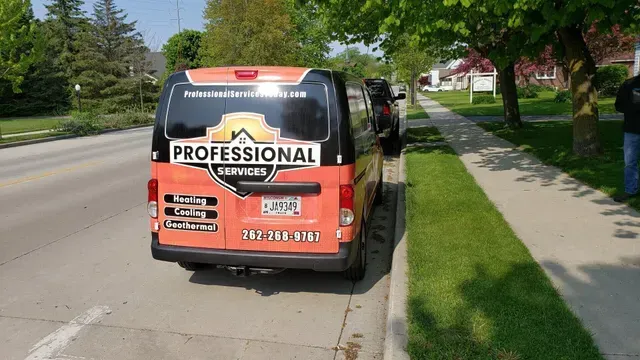
That is exactly how Professional Services Heating, AC, and Electric Repair operates. Our certified technicians serve Thiensville homeowners with thorough diagnostics and reliable repairs on all residential cooling systems. We explain what we find before any work begins, give you an honest read on your options, and do not leave until the job is done correctly.
If your home is not cooling the way it should, we are ready to help.
What Our Thiensville AC Repair Service Covers
A service call in Thiensville is a full system evaluation from the moment our technician arrives. The village's housing stock skews older, which means the presenting symptom is often downstream of a root cause that takes a methodical look to find. We do not cut corners on the diagnostic process.
We repair refrigerant leaks and recharge systems to proper operating pressures, replace capacitors and contactors, service or replace blower and condenser fan motors, clear and flush condensate drain lines, and diagnose compressor and electrical faults. Every visit includes a check of coil condition and cleanliness, refrigerant pressure verification, thermostat and control wiring inspection, and an airflow assessment to confirm the duct system is delivering what the equipment is producing.
In Thiensville's older homes — many of which had central air added well after original construction — duct systems often have routing compromises and connection failures that quietly reduce performance year over year. Identifying those conditions is part of how we solve cooling problems that have been misread as equipment failures.
Signs Your Thiensville Home Needs AC Repair
Thiensville sits in the Milwaukee River valley, and the moisture that collects in that corridor through the summer months means an air conditioner here works against a higher baseline humidity than comparable equipment just a mile or two away from the water. A system that is losing capacity tends to show it in ways that are easy to attribute to the weather rather than the equipment. These are the signs worth acting on.
- Air from vents that is warm or barely cool
- System running nonstop without reaching the set temperature
- Unexplained jump in summer energy costs
- Ice on refrigerant lines or the outdoor unit
- Sounds that were not there last season
- Indoor humidity that makes the air feel heavy
- Moisture or water staining near the air handler
- Back rooms or upper floors that never fully cool
In a compact village like Thiensville where homes sit close together on smaller lots, that last symptom — back rooms that never reach temperature — often points to duct issues in homes where the original layout was not designed for central air. It is a fixable problem, not a permanent characteristic of the house.
Why the Milwaukee River Valley Sets Thiensville Homes Apart
Thiensville occupies a narrow band of the Milwaukee River floodplain, and that geography concentrates the effects of summer humidity in ways that distinguish it even from neighboring Mequon, which sits on higher ground to the north and west. Cool air from the river surface pools in the valley overnight, carrying moisture that does not drain away the way it does on open terrain. By morning, homes in Thiensville are already starting from a higher humidity baseline than the day's forecast suggests.
For air conditioning equipment, that overnight moisture accumulation means condensate systems are processing water from the moment the system starts its first cycle of the day. Drain lines that might need attention every couple of years in a drier setting can foul within a single season in the river valley. Electrical components in the air handler — particularly contactors and wiring terminals — see moisture-driven oxidation at a rate that shortens their service life compared to the same equipment installed outside the floodplain.
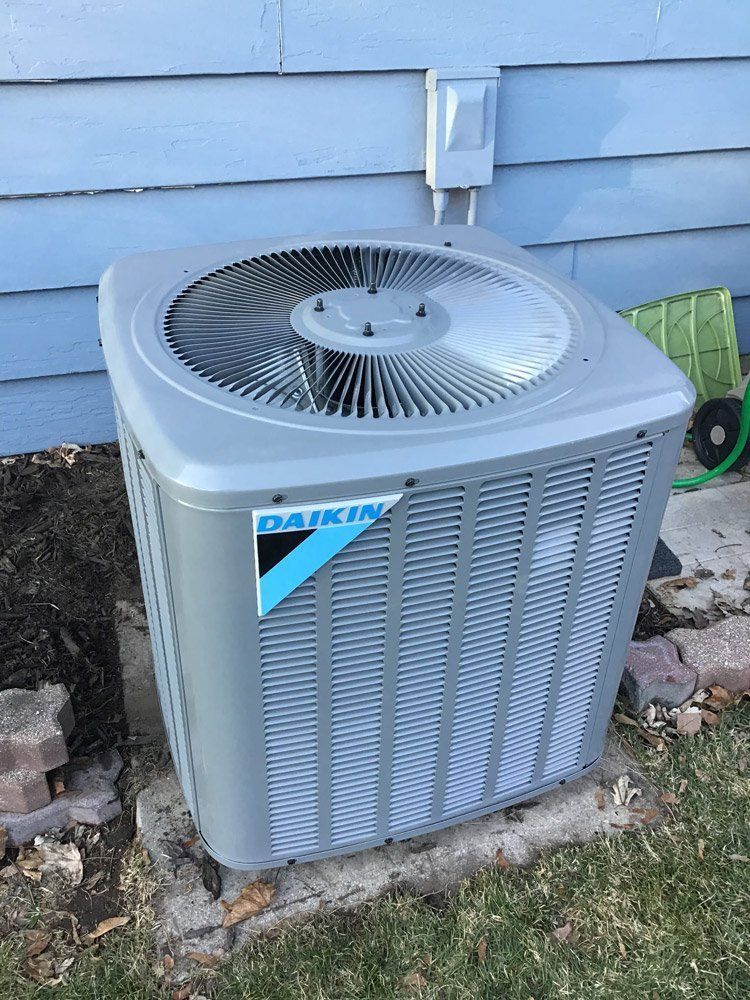
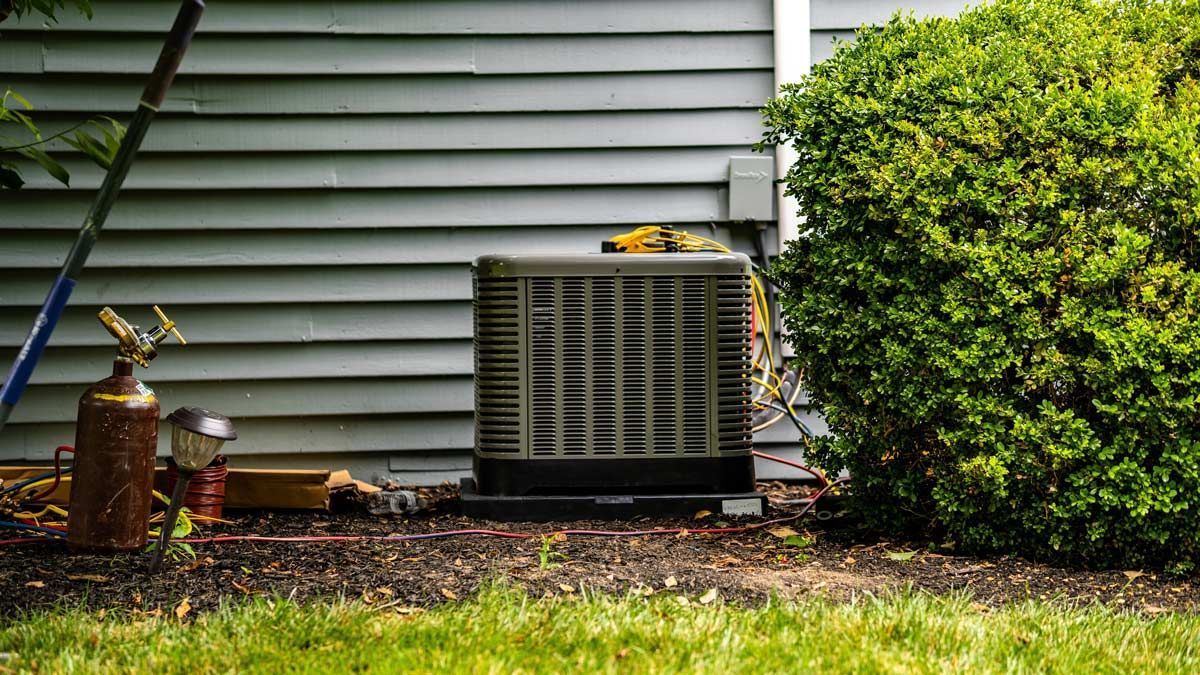
The compactness of Thiensville's footprint also means outdoor condenser units are frequently located in shaded spots between homes, against fences, or under mature tree canopies. Shaded units run cooler, which sounds beneficial, but restricted clearance and organic debris from overhanging trees — seed pods, leaves, cottonwood — packs into condenser fins and restricts airflow in ways that take a significant toll on system efficiency over a season.
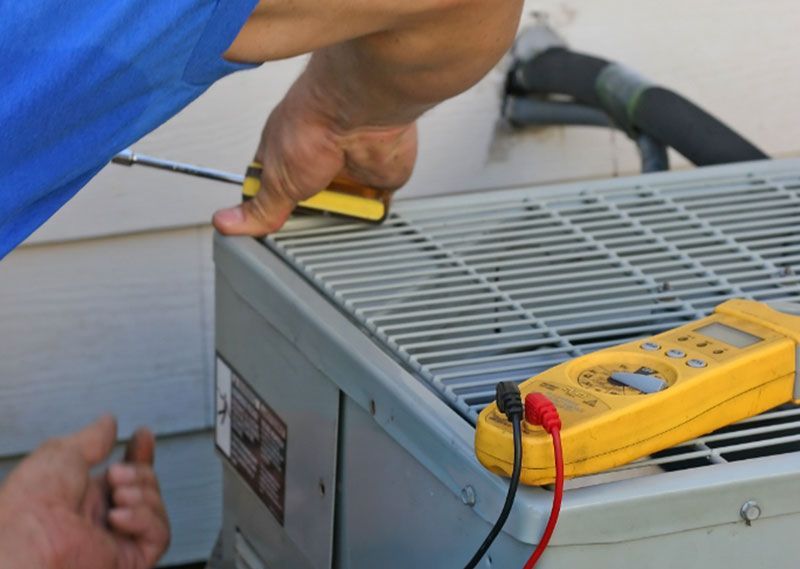
A Service Call in Thiensville
We got a call on a Saturday morning in late June from a homeowner named Paul whose system had stopped producing cold air sometime overnight. His home on one of Thiensville's quieter residential streets was a well-kept colonial from the early 1960s, with a central air system that had been added to the home in the late 1980s and had not been replaced since.
Our technician found the condensate drain line completely blocked, tripping the float switch that cuts system power to prevent water damage — the same failure pattern we see regularly in Thiensville's river valley homes, where drain fouling happens faster than most homeowners expect. After clearing and flushing the drain and resetting the switch, the technician noted the evaporator coil was also carrying significant contamination and the contactor showed early-stage pitting consistent with moisture exposure over many seasons.
We addressed all three issues during the same visit. Paul said the system had been running fine as far as he knew, which is exactly how a gradual drain blockage presents — the system appears normal until the float switch trips and everything stops at once. We enrolled him in a maintenance plan with a mid-season drain check built in, given that his address in the river valley makes that precaution well worth the time.
Why Thiensville Homeowners Call Professional Services Heating, AC & Electric Repair
In a village as small as Thiensville, a company either earns its reputation or it does not last long. Here is what homeowners here tell us they value about working with Professional Services Heating, AC, and Electric Repair.
- 24/7 emergency service availability
- Thorough diagnostics on every call
- Straightforward assessments, no pressure
- Maintenance plans built around river valley conditions
- HVAC, electrical, and plumbing from one team
- Technicians who know older home systems