
Top 5 AC Maintenance Tips for Homeowners in Port Washington, WI

Professional Services Heating, AC & Electric Repair

August 19, 2025

Key Points

  • Five essential AC maintenance steps every Port Washington homeowner should follow: check and replace air filters, clean condenser coils, inspect and clear drain lines, schedule professional maintenance, and monitor thermostat settings — each directly impacts efficiency, comfort, and system lifespan.
  • According to the U.S. Department of Energy, replacing a clogged air filter with a clean one can lower your AC's energy consumption by 5–15% — one of the highest-return maintenance steps available.
  • Port Washington's summer humidity — with Lake Michigan moderating temperatures but elevating moisture levels — makes drain line maintenance and dehumidification performance especially important; a clogged drain in a humid Wisconsin summer causes water backup within days.
  • Professional AC maintenance should be scheduled each spring before cooling season — in Ozaukee County's compressed summer, a late June breakdown at full capacity is far harder to schedule quickly than a May tune-up.
  • Smart thermostat upgrades are one of the most cost-effective efficiency investments available — the DOE estimates savings of 10–15% on cooling costs annually with proper programming.
  • Most AC problems — refrigerant issues, electrical component failures, coil damage — are caught and resolved inexpensively during annual maintenance; the same problems discovered mid-summer during a breakdown cost significantly more to address.
  • Contact Professional Services Heating, AC, and Electric Repair for expert AC maintenance and repair throughout Port Washington and Ozaukee County, WI.

As a homeowner in Port Washington, WI, maintaining your air conditioning system is essential for comfort and efficiency. You might be surprised at how simple steps can make a big difference in performance and energy savings. From checking air filters to scheduling professional maintenance, there are key practices you should follow. Let's explore these top five AC maintenance tips that can keep your system running smoothly and efficiently all season long.

Check and Replace Air Filters Regularly

One of the simplest yet most effective ways to maintain your AC system is to check and replace air filters regularly. Clogged filters can restrict airflow, making your system work harder and less efficiently.

Ideally, you should inspect your filters every month, especially during peak usage seasons. When you notice dirt and debris buildup, it's time to swap them out. High-quality filters can improve indoor air quality and ensure your AC runs smoothly. If you have pets or allergies, you might want to replace filters even more frequently.

Don't forget — clean filters not only extend the life of your AC unit but also save you money on energy bills. Regular maintenance improves system efficiency, ensuring your air conditioning runs at its best.

Filter maintenance in Port Washington's environment: Ozaukee County's proximity to Lake Michigan means spring pollen counts can be significant — oak, birch, and grass pollen from late April through June accumulate on filters faster than in drier inland areas. During peak cooling season from June through August, inspect your filter monthly rather than waiting the full 90 days. A completely clogged filter is one of the most common causes of AC evaporator coil freezing — a problem that looks like a refrigerant issue but is often just a dirty filter. If you're unsure which MERV rating is right for your system, a Professional Services technician can recommend the correct filter spec during a maintenance visit.

Clean the AC Condenser Coils

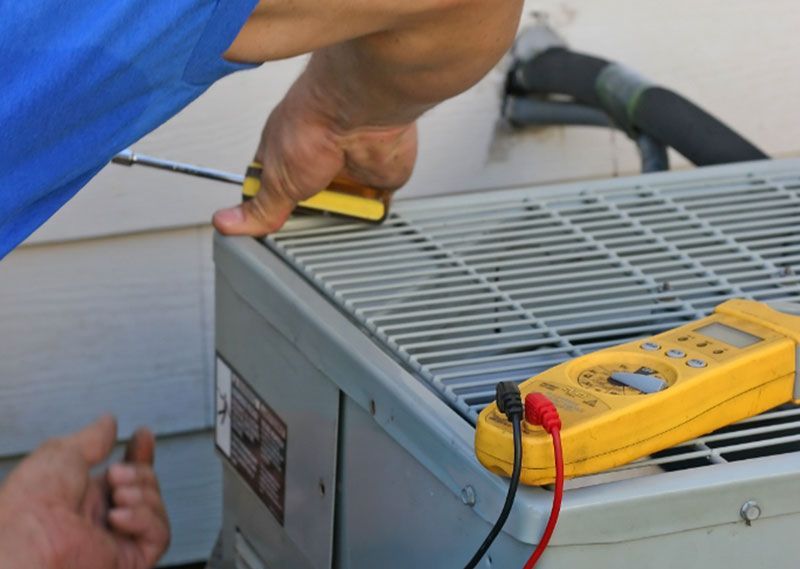
Cleaning the AC condenser coils is essential for maintaining your system's efficiency and performance. Over time, dirt and debris build up on these coils, reducing airflow and causing your unit to work harder — which can lead to higher energy bills and potential breakdowns.

To clean the coils, first turn off the power to your AC unit. Then, gently remove any visible debris using a soft brush or vacuum. If the coils are heavily soiled, you may need to use a specialized coil cleaner — spray it on the coils, allow it to sit for a few minutes, then rinse with water.

Be careful to avoid damaging the fins while cleaning. Regularly cleaning your condenser coils can help extend the life of your AC system and guarantee it runs smoothly. Aim to do this at least once a year, ideally before the cooling season starts. Additionally, consider contacting professionals for high-quality air conditioning repair if you notice persistent issues after maintenance.

What blocks condenser coils in Wisconsin: Cottonwood seed from late May through June is a significant coil-clogging concern for Port Washington homeowners — the fluffy white material accumulates on outdoor condenser fins rapidly and can reduce airflow by 30–40% within a single season if not cleared. Dandelion fluff, maple seeds, and general yard debris from spring lawn maintenance are additional contributors. Position a garden hose to gently rinse coil fins from the inside out (not outside in) to avoid pushing debris deeper — or schedule a Professional Services AC maintenance visit that includes a professional coil cleaning before Wisconsin's cooling season begins.

Inspect and Clear Drain Lines

To keep your AC running efficiently, inspecting and clearing the drain lines regularly is crucial. Clogged drain lines can lead to water buildup, potentially damaging your system and causing costly repairs.

Start by locating the drain line — usually a PVC pipe that runs outside your home. Check for any visible blockages or debris. You can use a wet/dry vacuum to suction out any clogs, or pour a mixture of vinegar and water down the drain to help break down buildup.

Make this a part of your seasonal maintenance routine, especially during peak usage months. Regular maintenance is essential for air conditioning services to ensure long-term efficiency and reliability. If you notice persistent drainage issues or leaks, don't hesitate to call in a professional.

Keeping the drain lines clear not only guarantees your AC operates smoothly but also helps maintain your indoor air quality. A little effort now can save you big headaches later!

Why drain lines clog faster in Wisconsin's humid summers: Port Washington's Lake Michigan shoreline location means summer dew points regularly exceed 65°F from July through August — creating the warm, humid conditions where algae and mold grow rapidly inside condensate drain lines. A drain line that might stay clear for 6 months in a drier climate can develop a complete algae clog in 4–6 weeks during a humid Wisconsin summer. Pouring a quarter cup of white vinegar down the drain line monthly during cooling season is the most effective prevention. If your drain line hasn't been inspected in over a year, schedule a professional cleaning before cooling season — a backed-up drain can overflow the condensate pan and cause water damage to ceilings, walls, and flooring within hours.

Schedule Professional Maintenance

Regularly clearing your drain lines is just one part of keeping your AC system in prime condition. You should schedule professional maintenance at least once a year to guarantee peak performance and longevity. This proactive step allows certified technicians to inspect, clean, and tune up your system — addressing issues before they escalate.

During a professional visit, they'll check refrigerant levels, inspect electrical components, and clean essential parts like coils and fans. This thorough maintenance boosts efficiency and helps you avoid costly repairs down the line.

Additionally, professionals can provide valuable insights and recommendations tailored to your specific system and home environment. Regular maintenance is crucial for preventing common issues that could disrupt your cooling system's performance.

Don't wait until your AC fails during a heatwave — make maintenance a priority. By trusting experts, you can enjoy peace of mind knowing your cooling system is in good hands. Schedule your AC maintenance in Port Washington with Professional Services today.

What a professional AC tune-up includes: A comprehensive AC maintenance visit from Professional Services covers refrigerant pressure check and leak inspection, evaporator and condenser coil cleaning, condensate drain clearing and treatment, electrical connection tightening and component testing (capacitors, contactors, disconnect), blower motor and belt inspection, thermostat calibration verification, and a full system performance test. This single annual visit catches the vast majority of developing problems before they cause a mid-summer breakdown — and in Port Washington's compressed July–August peak, scheduling a repair can take significantly longer than in spring when technician availability is higher.

Monitor Thermostat Settings and Performance

While maintaining your AC system, don't overlook the importance of monitoring your thermostat settings and performance. A well-functioning thermostat guarantees your system runs efficiently — keeping your home comfortable while saving energy.

Key thermostat tips for Port Washington homeowners:

  • Check settings regularly — make sure your thermostat is set to the desired temperature and mode; confirm it's set to "Cool" and "Auto" fan at the start of each cooling season
  • Calibrate your thermostat — confirm it accurately reflects the room temperature for peak performance; a thermostat reading 2–3°F off causes your system to run longer than needed
  • Replace batteries — if you have a battery-operated thermostat, change the batteries at least once a year; weak batteries cause intermittent unresponsiveness that homeowners often mistake for an AC problem
  • Consider smart thermostats — upgrade to a smart thermostat for better control and energy-saving features; the DOE estimates 10–15% annual savings with proper thermostat programming

Thermostat placement matters in Port Washington homes: A common issue in older Port Washington homes — particularly those built near the lake with significant wall-to-wall temperature variation — is the thermostat being placed near drafty windows, exterior walls, or kitchen doorways. These locations cause the thermostat to read higher or lower than the actual room temperature, leading to short-cycling or extended run times. If your home consistently struggles to reach the set temperature in certain rooms while the thermostat reads satisfied, placement may be the issue rather than system capacity.

Key Takeaways

Five AC maintenance steps keep Port Washington homeowners comfortable all summer: monthly filter checks (DOE confirms 5–15% energy savings from clean filters), annual condenser coil cleaning with attention to Wisconsin's cottonwood season, monthly drain line vinegar treatment to prevent algae clog in humid Lake Michigan summers, a professional spring tune-up before Ozaukee County's compressed cooling season, and thermostat monitoring including battery replacement and smart thermostat consideration for 10–15% additional savings. Most AC problems are caught inexpensively during annual maintenance — the same problems cost significantly more to address mid-summer during an emergency breakdown. Contact Professional Services Heating, AC, and Electric Repair for expert AC maintenance throughout Port Washington and Ozaukee County, WI.


Professional Services Today for Boiler Repair

Keep Your AC Running All Summer — Contact Professional Services Today

You can keep your system running smoothly and efficiently by following these five AC maintenance tips. Regular upkeep saves you money on energy bills and costly repairs — and a well-maintained AC means a more comfortable home through Wisconsin's hottest months.

Contact Professional Services Heating, AC, and Electric Repair to schedule your annual AC tune-up in Port Washington, WI — before the summer rush begins.


You might also like
July 31, 2026
If your AC unit is leaking water in Port Washington, WI, it could be due to clogged drain lines, low refrigerant levels, or dirty air filters. In our service calls throughout Port Washington, from homes near the harbor to properties farther inland off Highway 33, these issues show up more often than homeowners expect, especially once the humid summer months settle in along Lake Michigan. These problems can lead to further damage if not addressed quickly, and the safest first step is to shut down the unit and have a professional take a look at potential clogs or ice buildup . Stick with us, and we'll share more on what causes these leaks and how to keep your system running efficiently for the long haul. What Causes AC Leaks? When an air conditioning system leaks, it can be frustrating and concerning for any homeowner. Working in homes across Port Washington, our team sees a few common culprits repeatedly. One is a clogged condensate drain line, which prevents water from draining properly and sends it backing up into the home instead. Another possibility is low refrigerant levels, which can lead to ice buildup on the coil that melts and drips once the system cycles off. The condition of the air filter matters too. A dirty filter restricts airflow, which can cause the evaporator coil to freeze and eventually leak water as it thaws. Damaged or rusted drain pans can also allow water to escape, and improper installation or a malfunctioning condensate pump may contribute to leaks as well. Understanding these causes helps our team at Professional Services Heating, AC & Electric Repair diagnose the issue accurately and get ahead of any further complications. Based on what we see in Port Washington properties, especially older homes near the downtown historic district, regular professional upkeep makes a real difference in preventing these issues before they start. Is Your AC Acting Up? Here's What to Look For Is your AC behaving strangely? It happens to plenty of homeowners, and recognizing the warning signs early can save you from a bigger repair down the road. First, listen for unusual noises. Clanking or buzzing sounds often point to a mechanical issue that needs attention. Next, pay attention to temperature fluctuations. If a room isn't cooling the way it should, that's worth investigating. Also keep an eye out for water pooling around the unit. This is often a sign of a clogged drain line or a refrigerant issue, and it's something we regularly diagnose during AC maintenance visits throughout the area. Finally, an increase in indoor humidity or unpleasant odors can signal deeper issues with air quality and system function. If you're noticing any of these signs, it's best to bring in a professional for an evaluation rather than waiting for the problem to grow. How to Safely Address Your Leaking AC Unit Addressing a leaking AC unit calls for prompt, careful attention, and the safest path is professional evaluation rather than a DIY fix. Shutting off the unit as soon as you notice a leak helps prevent additional water damage. From there, a trained technician will locate the source of the leak, whether it's coming from the drain pan, a cracked line, or the evaporator coil itself . Because a frozen or damaged coil is one of the more frequent causes we encounter in Port Washington homes, our technicians inspect it closely as part of every service call. Our process typically includes: Identifying the exact source of the leak, whether from the drain pan or a damaged line. Removing any standing water safely to minimize damage to floors, walls, or nearby belongings. Clearing the affected area and placing protective materials as needed while repairs are completed. Scheduling a full system evaluation to confirm the AC is restored to proper working condition and to catch any related issues, like low refrigerant, before they cause further leaks. When to Call an HVAC Professional for AC Repairs How can you tell if it's time to call in an HVAC professional? If your AC is leaking water, that's already a clear sign it's time to reach out for help. Other indicators include strange noises, weak airflow, or a system that isn't cooling your home effectively. Unusual smells or a thermostat that isn't responding correctly are also worth flagging. When these issues arise, acting quickly matters. Ignoring them can lead to more significant, and more expensive, problems down the line, particularly if low refrigerant is involved, since that requires a licensed technician to safely diagnose and correct through proper refrigerant leak repair . If basic checks like the air filter and visible drainage don't resolve the issue, it's best to contact a certified professional. Our team at Professional Services Heating, AC & Electric Repair diagnoses the problem accurately and performs the repairs needed to get your system back on track. Local expertise matters here too, since homes throughout Port Washington face different conditions depending on their proximity to the lake, and that context helps us resolve issues efficiently. Tips to Prevent Future AC Leaks and Ensure Efficiency To keep your AC system running smoothly and prevent leaks, regular maintenance and a bit of proactive planning go a long way. By staying ahead of potential issues, homeowners throughout Port Washington can keep their systems operating efficiently through every season, from the humid stretches of summer to the demands of a Wisconsin winter changeover. A few practical habits worth following: Have air filters changed on a regular schedule, since clean filters support proper airflow and reduce strain on the system. Have drain lines inspected periodically to catch blockages before they cause water overflow. Schedule annual professional maintenance so a trained technician can evaluate the system and catch any underlying issues before they escalate. Keeping Your AC Running Leak-Free While it might feel like your AC is trying to create its own indoor pool, the reality is that most leaks trace back to a handful of preventable causes. By understanding what's behind them and staying ahead with regular professional care, you can keep your home cool and dry through every Port Washington season. A little consistent maintenance goes a long way toward avoiding those pesky puddles. If things start to feel overwhelming, our team at Professional Services Heating, AC & Electric Repair is ready to help, so don't hesitate to schedule your AC service today .
July 31, 2026
If your AC is short cycling in Thiensville, WI, it's a concern that shouldn't be ignored. This issue can lead to higher energy bills and may shorten your unit's lifespan. In our service calls throughout Thiensville, from homes near the Milwaukee River to properties tucked along the village's tree-lined streets, we often notice signs like frequent on/off cycling, inconsistent temperatures, or unusual noises. Causes can range from a dirty filter to low refrigerant levels, and understanding how your air conditioning system is supposed to run helps make sense of what's going wrong. Let's explore the details that can help you understand this better. What Is Short Cycling and Why Should You Care? Short cycling is a frustrating issue that many homeowners face with their air conditioning systems. This happens when the AC turns on and off frequently, failing to run long enough to cool the space effectively. It's not just annoying. It can also lead to higher energy bills and premature wear on the unit. Short cycling matters because it affects both comfort and the longevity of your system. When an AC is constantly switching on and off, it strains the components, increasing the risk of breakdowns. This behavior often points to underlying issues, like a faulty thermostat or inadequate refrigerant levels. Addressing short cycling promptly with professional air conditioning repair helps restore your system's efficiency before bigger problems set in. Signs Your AC Is Short Cycling How can you tell if your AC is short cycling? Recognizing the signs early can save you from bigger headaches down the road. Here are three key indicators that a system might be struggling: Frequent On/Off Cycling: If the AC kicks on and off every few minutes, it's a clear sign that something's wrong. This constant cycling is both frustrating and inefficient. Inconsistent Temperatures: Are certain rooms feeling stuffy while others stay cool? That's often a sign the AC is working overtime without really cooling effectively. Increased Energy Bills: A sudden spike in energy costs can indicate that a unit is overworking itself, and it's worth keeping an eye on those bills. Working in homes across Thiensville, our team frequently traces these symptoms back to something mechanical or electrical that needs a trained eye. If you notice any of these signs, it's time to get in touch with a professional. What Causes Short Cycling in AC Systems? Short cycling can stem from several common issues. One major culprit is an oversized unit, which cools a space too quickly and shuts off before completing its cycle. Another factor is a dirty air filter, which restricts airflow and forces the system to work harder, leading to frequent on-and-off cycles. Low refrigerant levels can also create pressure imbalances that trigger short cycling, something our technicians check closely since it requires professional refrigerant leak repair rather than a homeowner fix. Thermostat problems, such as incorrect placement or malfunctioning components, can cause a system to misread temperatures as well. Electrical issues, like failing capacitors or contactors, can disrupt normal operation too. Scheduling a routine maintenance check helps identify and resolve these issues before they lead to more significant problems. How Short Cycling Hurts Your Home and Wallet Here are three ways short cycling can affect a household: Higher Energy Bills: Each time the AC turns on and off, it uses more energy, resulting in utility costs that add up quickly. Increased Repair Needs: The constant cycling stresses components, leading to breakdowns that require repairs no one wants to budget for. Reduced Lifespan of the Unit: Short cycling can shorten an AC's lifespan, meaning premature replacement costs sooner than expected. Based on what we see in Thiensville properties, especially during the humid stretches of a Wisconsin summer, catching these problems early through routine evaporator coil checks can prevent a lot of downstream expense. When to Call a Pro for Short Cycling Problems When an AC starts short cycling, it's essential to recognize the signs that indicate it's time to call a professional. Noticing a system turn on and off frequently without reaching the desired temperature is a clear red flag. Other signs include unusual noises, increased energy bills, or feeling uncomfortable at home despite the AC running. If the issue develops suddenly and the system seems to be struggling to keep up at all, it may be time for emergency AC repair rather than waiting for a scheduled visit. Ignoring these issues can lead to bigger problems down the line, including costly repairs or complete system failure. That's why it's worth reaching out to a trusted HVAC expert like Professional Services Heating, AC & Electric Repair, who can diagnose the problem effectively. Our team doesn't just pinpoint the cause. We offer solutions tailored to your home and your system. Keeping Your Cooling System Running Smoothly Addressing short cycling in your AC is essential for comfort and efficiency. Think of it like a car that's constantly stopping and starting. It wears out faster and costs more in the long run. Just as you'd take a car to a mechanic for a tune-up, don't wait to reach out when you notice those telltale signs of short cycling in your Thiensville home. Our team at Professional Services Heating, AC & Electric Repair is here to help, so feel free to schedule your AC tune-up today and keep your system running smoothly all season long.
July 31, 2026
If your AC smells like something's burning, it's usually a sign of underlying issues that need attention right away. In our service calls throughout Belgium and the surrounding Ozaukee County area, this is one of the concerns our team hears about most, especially as summer humidity off Lake Michigan puts extra strain on cooling systems. Common causes include electrical malfunctions, dust buildup igniting, or a failing motor, and the safest response is to power off the unit and have a professional inspect it through prompt air conditioning repair rather than investigating the wiring yourself. To stay ahead of these problems, we've got preventive measures worth reviewing. Let's explore those options further. What Causes a Burning Smell From My AC? When a burning smell comes from an AC unit, it's vital to act quickly, since this could indicate a serious issue. This unsettling odor might stem from several sources. One common cause is electrical malfunctions, like frayed wires or faulty components, which can create a burning sensation. Dust buildup in the system can also ignite when the unit runs, producing that distinct smell. Another possibility is that the motor or fan is overheating, often due to lack of lubrication or general wear and tear. A refrigerant leak can also lead to unusual smells, as the chemicals involved may give off a burning odor. In these cases, seeking professional air conditioning repair helps prevent further damage and keeps the system operating safely. Understanding these potential causes helps homeowners in Belgium address the problem efficiently. Ignoring these signs can lead to more significant damage or safety hazards, so it's important to bring in a professional as soon as that burning smell shows up. Steps to Identify the Source of the Burning Smell Identifying the source of a burning smell calls for a careful, professional approach rather than guesswork. A trained technician will start by confirming the unit is powered off to rule out any safety concerns. From there, the air filter gets checked first, since a dirty or clogged filter is one of the most frequent causes of overheating our team finds during AC maintenance visits in the Belgium area. Visible debris around the outdoor unit or inside the vents is inspected next, since blocked airflow is another common contributor. Wiring gets a close look too, since damaged or frayed wires can emit a burning smell and pose a real safety risk if left unaddressed. Unusual sounds, like grinding or buzzing, often point to a mechanical issue that needs further diagnosis. Working in homes across Belgium, our technicians know that a thorough inspection is the safest way to confirm a system is running safely and efficiently, rather than relying on a quick homeowner check. Common AC Issues Causing Burning Smells Understanding the common issues behind burning smells is essential for maintaining a safe, efficient system. One frequent culprit is overheated wiring or insulation. As components wear down, they can generate a burning scent that signals a developing electrical issue. Another common problem is a failing motor. If it struggles to operate, it can overheat and produce an unpleasant odor. Dirty air filters can also restrict airflow, causing the system to work harder and overheat. Burnt dust is another possibility, especially if the AC hasn't run in a while. When it first kicks on, accumulated dust can burn off and create a temporary smell. Refrigerant leaks can cause compressor issues too, resulting in strange odors that are best evaluated through refrigerant leak repair . Recognizing these problems early helps Belgium homeowners avoid more significant repairs down the road. How to Fix Common AC Problems Causing Burning Smells When a burning smell shows up, addressing it promptly with professional help is the safest path forward. A technician will start by checking the air filter, since a clogged filter can restrict airflow and cause the overheating behind that burnt odor. If it's dirty, it gets replaced as part of the service. Wiring and components get inspected next, since loose or frayed wires can cause electrical shorts that lead to burning smells. This is exactly the kind of work best left to a licensed professional rather than attempted at home. The condenser unit is also checked to confirm it's clear of debris, since blockages can lead to overheating. Based on what we see in Belgium properties, a full diagnostic visit is the most reliable way to confirm a system operates safely, rather than guessing at a fix. Preventive Measures to Avoid Future AC Smells Taking steps to prevent unpleasant AC smells is vital for the long-term health of a cooling system. One of the best ways to do this is through regular maintenance. Scheduling annual check-ups with a professional helps catch potential issues before they escalate. Air filters should be kept clean and replaced on a regular schedule, since clogged filters can lead to overheating and odors. Keeping the outdoor unit free from debris also supports proper airflow and reduces strain on the system, something our team pays close attention to on furnace and AC service calls throughout the region given how quickly Wisconsin weather can shift between seasons. Ductwork should be inspected regularly for leaks or blockages as well, since these can harbor mold and mildew over time. Enhancing indoor air quality with filtration and purification solutions rounds out a solid prevention plan, helping keep a system running smoothly and smelling fresh all summer long. Keeping Your Home Comfort System Safe and Fresh When an AC unit starts to smell like something's burning, it can feel like a storm cloud hovering over your home comfort. Understanding the causes and bringing in the right professional help clears the air and restores peace of mind. Regular maintenance remains the best ally in keeping a cooling system running smoothly and safely all season long. If you're noticing that unsettling odor in your Belgium home, our team at Professional Services Heating, AC & Electric Repair is ready to help, so don't wait to contact our team today .

Book a Service Today