
Smart Homeowners' Guide to Efficient Heat Pump Installation in Port Washington, WI
Professional Services Heating, AC & Electric Repair
Did you know that heat pumps can reduce your heating and cooling costs by up to 50% compared to traditional systems? If you're a homeowner in Port Washington, WI, understanding how to efficiently install a heat pump can save you money and enhance your comfort. But before you jump into the installation process, there are some key factors you need to take into account to guarantee you make the best choice for your home.
Understanding Heat Pumps and Their Benefits
Heat pumps are a smart choice for efficient home heating and cooling. They work by transferring heat instead of generating it, making them highly energy-efficient. You can enjoy consistent temperatures year-round while lowering your energy bills.
In winter, heat pumps extract warmth from the outside air, even in chilly conditions, and bring it inside. During summer, they reverse the process, removing heat from your home to keep it cool.
Additionally, heat pumps improve indoor air quality by filtering out dust and allergens, creating a healthier living environment. They're also versatile, functioning as both heating and cooling systems.
With minimal maintenance, these units can last for years, providing dependable comfort. Plus, they're environmentally friendly, emitting fewer greenhouse gases than traditional heating methods. Regularly scheduled maintenance assessments ensure that your heat pump operates efficiently and can help prevent costly repairs down the line.
Choosing the Right Heat Pump for Your Home
How do you determine the best heat pump for your home? Start by evaluating your home's size and insulation. A heat pump's efficiency relies on its ability to match your space's heating and cooling needs.
Look for the Seasonal Energy Efficiency Ratio (SEER) and Heating Seasonal Performance Factor (HSPF) ratings; higher numbers indicate better efficiency.
Next, consider the climate in Port Washington, WI. A cold-climate heat pump may be necessary if you experience harsh winters.
Additionally, think about your energy source—electric or gas—and your budget. Don't forget to evaluate your home's ductwork; if it's in poor condition, you might need ductless systems.
Finally, consult a professional for recommendations tailored to your specific situation. With so many options available, their expertise can guide you to the perfect heat pump, ensuring your home remains comfortable year-round. Professional Services can provide comprehensive installation services that cater to your unique needs.
Preparing Your Home for Heat Pump Installation
Before your heat pump installation begins, it's essential to prepare your home to guarantee a smooth process and ideal performance.
Start by clearing the area around the installation site. This means removing any furniture, decor, or obstacles that might hinder access for the technicians.
Next, verify that your home's power supply can support the new heat pump; you may need to consult an electrician if you're unsure.
Check your insulation and seals around windows and doors, as proper insulation enhances your heat pump's efficiency.
Additionally, consider scheduling a duct cleaning if you have an existing duct system; this can improve air quality and system performance.
Finally, communicate any specific needs or concerns with your installation team beforehand. It's also important to consult with professionals who can provide expert technicians to ensure the installation is done correctly and safely.
The Installation Process: What to Expect
Once you've prepared your home for the heat pump installation, it's time to understand what to expect during the process.
First, a team of certified professionals will arrive at your home, usually in the morning. They'll assess your space, making sure everything's ready for the installation. Expect to have a discussion about the placement of the heat pump and any specific preferences you may have.
Next, they'll start installing the indoor and outdoor units, connecting refrigerant lines and electrical wiring. This usually takes several hours, so plan accordingly. During this time, you might hear some noise from tools and equipment.
Once the installation is complete, the technician will conduct tests to verify that everything operates efficiently. They will also ensure that the system provides energy-efficient heating and cooling, addressing any concerns you may have.
They'll also walk you through the system, explaining how to use it effectively. Finally, you'll receive a thorough checklist of maintenance tips to keep your heat pump running smoothly.
Post-Installation Tips for Optimal Performance
To guarantee your heat pump performs at its best, it's crucial to follow a few key post-installation tips.
First, regularly check and change the air filter every one to three months to maintain airflow and efficiency.
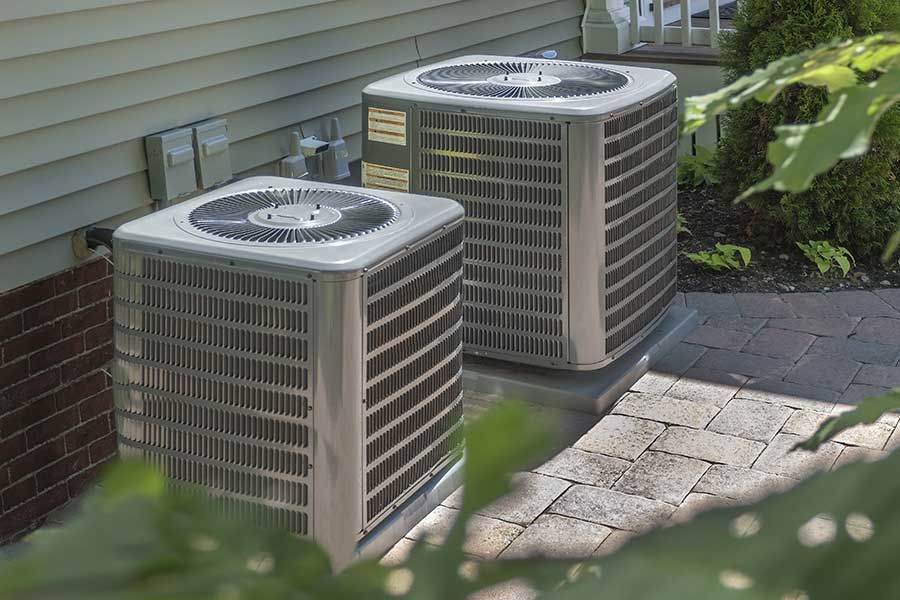
Next, keep the outdoor unit clear of debris, like leaves and dirt, to ensure it can operate freely.
Schedule annual maintenance with a professional to inspect and tune your system, preventing small issues from becoming costly repairs.
Monitor your thermostat settings and consider upgrading to a smart thermostat for energy savings.
Finally, don't ignore unusual noises or smells—these can indicate problems that need attention.
By staying proactive with these tips, you'll enhance your heat pump's performance and longevity.
For additional assistance, consider reaching out to Professional Services for expert guidance and support.
Conclusion
In your journey to a more energy-efficient home, you'll find that installing a heat pump isn't just a task; it's an opportunity. Coincidentally, as you prepare your home and choose the right unit, you're also taking a step toward comfort and savings. With proper installation and maintenance, your heat pump can transform your living space while keeping energy bills low. Embrace this chance to enhance your home's efficiency and enjoy the benefits for years to come!
You might also like