
What Is the Ideal Humidity in Your Home During Winter in Fredonia, WI?

Professional Services
April 25, 2025

Heating systems have a drying effect on interior spaces since warmth makes moisture evaporate faster. So, heat often comes at the cost of another often-forgotten yet essential component of comfort: humidity. But what is the ideal humidity in your home during winter, and how can you achieve it? 


At Professional Services, we specialize in indoor air quality in Fredonia, WI. Our team knows why property humidity is imperative for comfortable, healthy households. You’ll learn the ideal moisture metric and how to regulate indoor humidity below. 


Why Proper Humidity Is Imperative to Household Health and Comfort

Humidity is integral to a healthy indoor atmosphere. If you have too much of it, you might struggle with mold growth or pest infestations. Mold thrives in damp atmospheres, while roaches and mites seek moisture for hydration. 

Meanwhile, low humidity comes with its own consequences:


  • Furniture and structural damage: Many materials need a base moisture level to stay intact without splintering. An arid atmosphere can cause wood, concrete, and other building materials to crumble. 
  • Cool-feeling environment: No matter what your thermostat says, you’ll feel cooler than the actual temperature since moisture helps retain warmth. 
  • Dry, itchy skin: Dry skin feels tight, looks flaky, and may itch. 
  • Sinus irritation: You might awaken with a dry mouth, red eyes, or cracked nasal cavities. 
  • Dehydration: More moisture evaporates through your skin in a dry environment, which dehydrates you faster. 

So, what is the ideal humidity in your home during winter? First, let’s explore how your location affects residential humidity management.


Why Does Your Fredonia Home Feel So Much Drier During Winter?

Temperatures in Fredonia, Wisconsin, can plummet below 40 degrees Fahrenheit for up to half the year. That means your heating system works constantly to keep you warm. Even warm seasons are incredibly mild compared to other regions.


Your home's humidity levels in the winter plummet with the temperatures for a few reasons. First, the cold outdoor environment condenses moisture to a solid state via snow and ice. Therefore, airborne moisture doesn't penetrate doors and windows as readily. 


Second, your heater constantly runs, which makes any atmospheric moisture evaporate faster so it doesn’t linger in the air for long. Now, what is the ideal humidity in your home during winter? Which dry winter air solutions should you explore? 


Finding the Ideal Humidity in Your Home During Winter Weather

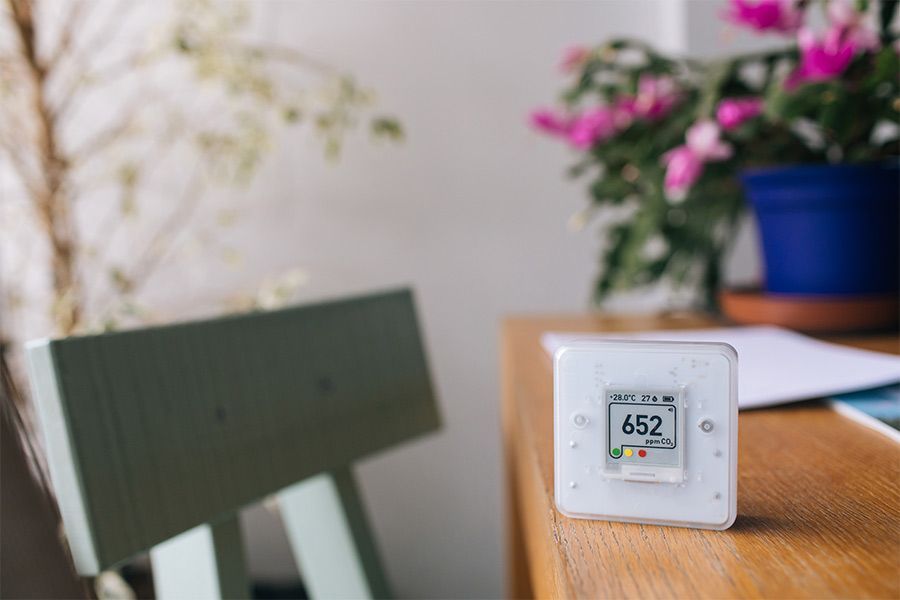
The ideal humidity in your home during winter is between 30% and 50%. You might aim for the higher end, so you have some atmospheric leeway. Fredonia’s cold-season climate isn’t conducive to maintaining optimal winter humidity. 


Therefore, you need a dependable method to add moisture to your indoor environment and spread it evenly throughout your home. When you have complete humidity control, you can reap additional perks, like:


  • Fewer airborne pollutants
  • Less severe sinus and allergy symptoms 
  • Lower utility bills because the home feels warmer


Ways To Address Humidity Problems

What is the ideal humidity in your home during winter that fits your needs? If you keep plants, reptiles, or warm-blooded pets like cats and dogs, push for 50%. If you do well in drier environments or have faced mold issues in the past, aim for 40% or less.


You can ensure better indoor humidity control with DIY or professionally installed home humidification. DIY options include boiling water in a pot over the stove. The water will vaporize as it heats, dispersing into the air. 


The problem with this method is that it stays localized. You’ll have to boil off a big pot of water for it to eventually reach the farthest parts of your home. The gas or electricity usage may not justify the elevated moisture levels unless you live in a small house. 


You can purchase and set up indoor tropical plants throughout the home to boost humidity from room to room, too. When you water them, they’ll offload moisture and slightly increase the humidity. But they aren’t the most effective option either.


Your best bet is a professionally sized and installed humidifier from an HVAC company in Fredonia, Wisconsin. Whole-home humidifiers evenly disperse moisture throughout every room in your home. You can program your preferred moisture settings much like a thermostat. 
Professional Services Today for Boiler Repair

Professional Services Offers Indoor Air Quality Services and Technologies in Fredonia, Wisconsin

Enjoy ideal humidity levels in your home during winter with whole-home humidifiers from Professional Services. We also carry other indoor air quality technologies to improve your interior atmosphere in Fredonia, Wisconsin. Begin your journey into IAQ possibilities by understanding probiotic air purifiers.

You might also like
January 10, 2026
Imagine tapping into the Earth's natural heat, just like ancient civilizations harnessed geothermal energy for warmth. For homeowners in Port Washington, WI, this modern approach can lead to significant savings and comfort. Geothermal heating systems offer remarkable efficiency, but there's more to reflect upon. From environmental impact to long-term value, the benefits extend far beyond just lower energy bills. What makes this option stand out in today's market? Understanding Geothermal Heating Systems Geothermal heating systems harness the Earth's natural heat to provide efficient and sustainable climate control for your home. These systems operate by using a series of underground pipes, known as loops, which transfer heat from the ground into your living space during colder months. In the summer, the process reverses, pulling heat out of your home and into the ground, keeping your space cool and comfortable. Installing a geothermal system can considerably reduce your energy bills while offering greater reliability than traditional heating methods. With minimal maintenance required, you'll enjoy peace of mind knowing that your system will last for decades. Plus, the quiet operation means you won't even notice it's running. Furthermore, geothermal systems can lead to significant savings on utility bills , making them a financially sound investment for your home. Environmental Benefits of Geothermal Energy Harnessing the Earth's natural heat not only enhances your home's comfort but also contributes greatly to environmental sustainability. By choosing geothermal energy, you're reducing your reliance on fossil fuels, which helps lower greenhouse gas emissions. This clean energy source generates minimal waste, making it an eco-friendly option for heating and cooling your home. Additionally, geothermal systems operate efficiently, utilizing the Earth's constant temperature to provide consistent climate control. This efficiency translates to less energy consumed, further reducing your carbon footprint. You're also helping to preserve natural resources by tapping into renewable energy that won't deplete over time. Moreover, as you invest in geothermal heating, you're supporting a future where homes are powered by sustainable practices. You're not just improving your living space; you're making a positive impact on the environment, ensuring a healthier planet for future generations. Regular geothermal heating maintenance ensures your system operates at peak efficiency and longevity. Choosing geothermal is a win-win for both you and Mother Earth. Cost Savings and Efficiency in Geothermal Heating When it comes to reducing energy bills, geothermal heating is a game-changer for homeowners. You'll notice significant savings on your utility costs, often up to 70% lower than traditional heating systems. Plus, its efficiency means you'll enjoy consistent warmth without the spikes in energy consumption. Here are some reasons why geothermal heating can save you money: Lower Operating Costs : The system uses the earth's stable temperature, minimizing energy needs. Long Lifespan : Geothermal systems last longer than conventional units, reducing replacement costs. Tax Incentives : Many states offer tax credits for installing geothermal systems, making the investment even more appealing. Increased Home Value : Energy-efficient upgrades like geothermal can increase your property's market value. Additionally, installing geothermal systems can be cost-effective compared to conventional AC units , further enhancing your overall savings. Installation Process and Considerations After you've decided to invest in geothermal heating for its cost-saving benefits, understanding the installation process is key. First, you'll need to schedule an assessment with a professional to evaluate your property and determine the best system for your needs. This includes looking at the land's geology and available space for the ground loop installation. Next, excavation will take place, whether it's horizontal or vertical, depending on your property layout. Once the ground loop is in place, your technician will connect it to the heat pump, followed by indoor unit installation. Consider the timeline; the entire process usually takes a few days to a week, depending on complexity. Make certain you're aware of local permits or regulations that might apply. Finally, choose a reliable service provider like Professional Services to guarantee a smooth, efficient installation. Geothermal HVAC systems set the foundation for your geothermal system's long-term performance. Long-Term Value for Port Washington, WI, Homeowners Investing in geothermal heating not only boosts your home's comfort but also greatly enhances its long-term value. As a Port Washington, WI, homeowner, you'll appreciate how this eco-friendly option can markedly reduce your energy bills and maintenance costs, making your investment worthwhile. Here are four compelling reasons why geothermal systems elevate your home's value: Lower Utility Bills : Enjoy substantial savings on energy costs every month. Increased Home Resale Value : Buyers are drawn to energy-efficient homes, giving you an edge in the market. Longevity of Equipment : Geothermal systems can last over 25 years, minimizing replacement worries.  Eco-Friendly Appeal : Attract environmentally-conscious buyers, enhancing your home's desirability.
January 10, 2026
Is it really possible to keep your generator running smoothly with just a few simple steps? Many people overlook essential maintenance, thinking it's too complicated or time-consuming. However, with the right approach, you can guarantee your generator operates efficiently for years. Discover the five pro tips that can make all the difference in your generator's performance and longevity. Regular Maintenance Checks Regular maintenance checks are essential for keeping your generator running smoothly and efficiently. You should inspect your generator at least once a month to guarantee all components are in good working order. Start by checking the oil level and topping it off if necessary. Look for any signs of leaks or corrosion, as these can lead to bigger issues down the line. Don't forget to clean or replace the air filter to maintain peak airflow. Additionally, test the battery and connections, confirming they're secure and free from corrosion. Running your generator briefly every month can also help keep it in shape, allowing you to listen for unusual sounds. It's crucial to ensure that your generator undergoes preventative maintenance to avoid harmful issues such as carbon monoxide emissions. If you notice anything off, it's best to consult a professional. By staying proactive with maintenance, you'll help guarantee your generator is ready to perform when you need it most.  Keep Fuel Fresh and Stable To guarantee your generator operates efficiently, it's crucial to keep the fuel fresh and stable. Old or contaminated fuel can lead to performance issues and costly repairs. Start by using fuel stabilizers, which can help prolong the life of your gasoline or diesel. Make sure to store fuel in a clean, airtight container to prevent moisture and contaminants from entering. If you're not using your generator for a while, consider draining the fuel system or running it dry. This minimizes the risk of stale fuel sitting in the tank. Regularly check your fuel levels and replace old fuel every few months to maintain peak performance. Additionally, keep an eye on the fuel's appearance; if it looks cloudy or has a strange odor, it's time to replace it. Moreover, using backup generators ensures that you have a reliable power source during outages, which emphasizes the importance of maintaining your fuel. Inspect and Replace Filters While it might seem like a small task, inspecting and replacing your generator's filters is crucial for peak performance. Dirty filters can restrict airflow, causing your generator to work harder and potentially leading to overheating or mechanical failures. To keep your generator running efficiently, make it a habit to check the air and fuel filters every few months. If you notice any dirt, debris, or other buildup, it's time for a replacement. Always refer to your manufacturer's guidelines for the correct filter types and replacement intervals. When changing filters, verify you're using high-quality options to maximize your generator's efficiency and longevity. Additionally, regular emergency generator maintenance can help ensure that your generator remains in optimal working condition. Don't overlook this simple maintenance step, as it can save you from costly repairs down the line. Test Your Generator Monthly Testing your generator monthly guarantees it's ready to kick in when you need it the most. Regular testing helps identify any potential issues before they become major problems. Start by running your generator for about 30 minutes under a load to verify it operates smoothly. This not only checks the functionality but also keeps the battery charged and lubricates the engine. While it's running, listen for unusual sounds and watch for any warning lights. Make certain to check the fuel levels and look for leaks or signs of wear. After testing, turn the generator off and allow it to cool down. Document any findings or maintenance needed for future reference. Regular maintenance is crucial for standby generators and can help ensure your system is ready for emergencies. By making this a routine, you'll extend your generator's life and give yourself peace of mind, knowing it's ready when the power goes out. Don't skip this vital step; your preparedness relies on it! Store Your Generator Properly After you've tested your generator, it's important to store it properly to confirm it remains in good condition for future use. Begin by ensuring the generator is cool and clean. Remove any dirt or debris, as this can affect performance. Drain the fuel tank to prevent stale gasoline from clogging the carburetor; consider using a fuel stabilizer if you plan on storing it for an extended period. Choose a dry, well-ventilated area for storage, ideally indoors, to protect it from harsh weather conditions. Cover your generator with a breathable tarp to keep dust off without trapping moisture. Regularly check on it to confirm everything remains in good shape. Finally, keep all manuals and documentation handy, so you can easily refer to them when it's time to use your generator again. Following these steps will help you enjoy reliable power whenever you need it.
January 10, 2026
Power surges can damage your electronics, disrupt your daily life, and lead to costly repairs. Understanding how surge protection works, recognizing its importance in Port Washington, WI, and knowing the types available can help you safeguard your home. By taking proactive measures, you can protect your valuable appliances from unexpected electrical issues. But how do you choose the right surge protection for your needs? Let's explore the options that can keep your home safe. Understanding Power Surges and Their Impact on Home Appliances Although you may not think about it often, power surges can seriously damage your home appliances and electronics. A surge occurs when the voltage in your electrical system suddenly spikes, often due to lightning strikes, downed power lines, or even large appliances turning on and off. These spikes can overwhelm your devices, leading to burnt-out circuits and costly repairs. You mightn't realize how vulnerable your appliances are until it's too late. For instance, your refrigerator, computer, and television all rely on stable power. When a surge occurs, it can compromise their functionality, resulting in data loss or complete failure. Additionally, homes experience approximately five small surges daily , posing significant risks to your electronics and appliances. The Importance of Surge Protection in Port Washington, WI, Homes When you consider the unpredictability of power surges, it's clear that protecting your home in Port Washington, WI, is essential. These surges can damage your appliances and electronics, leading to costly repairs or replacements. By investing in surge protection, you safeguard your valuable devices against unexpected spikes in voltage caused by storms, power outages, or utility issues. Surge protection isn't just about preventing damage; it also enhances the lifespan of your appliances. With the right protection in place, you can enjoy peace of mind knowing your home's electrical system is secure. Additionally, surge protectors can help maintain the efficiency of your devices, saving you money on energy bills in the long run. Furthermore, incorporating electrical panel maintenance into your safety plan can further reduce the risks associated with electrical surges. Ultimately, prioritizing surge protection in your home is a smart, proactive choice that benefits your budget and your daily life. Don't wait for a surge to strike—take steps now to guarantee your appliances remain safe and functional. Types of Surge Protection Devices for Your Appliances To effectively protect your home appliances from power surges, it's important to understand the different types of surge protection devices available. Each type serves a specific purpose, ensuring your appliances stay safe from unexpected voltage spikes. Surge Protectors : These are the most common devices, typically used for computers and electronics, often found in power strips. Whole-House Surge Protectors : Installed at your electrical panel, they protect all appliances in your home from surges coming from outside sources. Point-of-Use Surge Protectors : These protect individual devices, such as refrigerators or TVs, and are generally plugged directly into the wall outlet. Power Conditioners : They not only protect against surges but also improve power quality by filtering noise and voltage fluctuations. Uninterruptible Power Supplies (UPS) : These provide backup power during outages while also protecting devices from surges. Choosing the right type can make a significant difference in safeguarding your investments. Additionally, consulting with licensed electricians can help ensure proper installation and effectiveness of these devices. How to Choose the Right Surge Protection for Your Home Choosing the right surge protection for your home can feel overwhelming, especially with so many options available. Start by evaluating your needs—identify which appliances are most valuable and vulnerable to power surges. Look for surge protection devices (SPDs) that match your specific requirements, whether it's for your entire home or individual electronics. Next, check the joule rating; higher ratings mean better protection. Consider features like response time and warranty, as these can indicate the device's reliability. You'll also want to verify that the SPD has adequate clamping voltage to safeguard your equipment effectively. Finally, consult with a professional service provider to confirm you're making the best choice for your home's electrical system. Many commercial properties utilize three-phase systems that may provide insights into your surge protection needs. Maintaining Your Surge Protection System for Optimal Performance A well-maintained surge protection system is essential for keeping your home appliances safe from unexpected power fluctuations. Regular maintenance guarantees that your system functions effectively, providing the protection you need. Here are some tips to maintain your surge protection system:  Inspect connections regularly to ascertain that everything is secure. Test the system at least once a year to confirm it's working correctly. Replace surge protectors every few years, as they wear out over time. Keep your system clean and free from dust or debris, which can hinder performance. Consult a professional if you notice any signs of malfunction or wear.

Book a Service Today