
How to Address Wiring Problems in Older Homes in Port Washington, WI
Professional Services Heating, AC & Electric Repair
Key Points
- Older homes in Port Washington face six common wiring problems: outdated wiring systems, frayed or damaged wires, insufficient grounding, overloaded circuits, ungrounded outlets, and knob-and-tube wiring — all of which require professional assessment before any remediation.
- According to the U.S. Fire Administration, electrical fires cause an estimated 51,000 house fires per year in the United States — older homes with aging or ungrounded wiring systems are disproportionately represented in this statistic.
- In Port Washington and Ozaukee County, the village's historic character means many homes date to the early-to-mid 20th century — making knob-and-tube wiring, aluminum wiring, and two-prong ungrounded outlets common findings during electrical inspections.
- Five warning signs your Port Washington home needs electrical upgrades: flickering lights, frequent breaker trips, buzzing from outlets or switches, discolored or warm outlets, and two-prong outlets still in use.
- Safety before all else: always turn off power at the breaker before inspecting any wiring, use insulated tools, and avoid working near water — but recognize that most older-home wiring issues require a licensed electrician rather than DIY repairs.
- Annual professional electrical inspections are the most reliable way to catch developing hazards before they become fires, code violations, or expensive emergency repairs.
- Contact Professional Services for licensed electrical inspection, wiring assessment, and panel repair throughout Port Washington, WI and Ozaukee County.
If you live in an older home in Port Washington, WI, you might be facing some wiring challenges. Flickering lights or tripped breakers could signal deeper issues that need attention. Understanding these common problems and the steps required to address them is essential. By taking the right precautions and hiring a qualified electrician, you can guarantee your home's electrical system remains safe and efficient. But where should you start?
Understanding Common Wiring Issues in Older Homes
When you live in an older home, you might encounter several common wiring issues that can pose safety risks and affect your electrical efficiency.
One major concern is outdated wiring systems, which often can't handle the demands of modern appliances. You may also find frayed or damaged wires that can lead to shorts or fires.
Another issue is insufficient grounding, leaving your system vulnerable to surges and increasing the risk of electric shock.
Overloaded circuits are common too — especially if you've added new devices without upgrading your wiring.
Additionally, you might discover ungrounded outlets that don't provide the necessary safety features.
Finally, if your home has knob-and-tube wiring, it's essential to replace it, as it lacks modern safety standards. A professional assessment is recommended to ensure your wiring meets current safety codes and protects your home.
The wiring timeline for Port Washington's older homes: Port Washington's historic neighborhoods — particularly those near the lakefront, downtown, and the bluff areas — contain homes built between the 1900s and 1960s that may still contain their original electrical infrastructure. Homes built before 1950 commonly have knob-and-tube wiring, which runs uninsulated through the walls and lacks a ground wire entirely. Homes built between 1965 and 1973 may have aluminum branch circuit wiring, which expands and contracts at a different rate than copper connections — creating a fire risk at connection points over decades of use. Homes built in the 1950s–1970s may have Federal Pacific or Zinsco electrical panels known for breaker failure. If your Port Washington home falls into any of these categories, an electrical inspection is the most important first step before any renovation, appliance upgrade, or home sale.
Signs Your Home May Need Electrical Upgrades
How can you tell if your home needs electrical upgrades? Look for flickering lights or frequent circuit breaker trips when you turn on appliances — these signs often indicate your system can't handle your current electrical load.
If you notice buzzing sounds from outlets or switches, that's another red flag. Additionally, check for discolored outlets or warm-to-the-touch switches; these could signal overheating and potential fire hazards.
Another sign is the presence of two-pronged outlets. Modern standards require three-prong outlets for safety — so if you're still using the old ones, it's time to consider an upgrade.
Finally, if your home uses aluminum wiring, it's advisable to have it inspected as it poses risks. Routine inspections can help identify these issues early on. If you notice any of these problems, addressing them with a professional can guarantee your home's electrical system is safe and up to date.
What each warning sign specifically indicates:
- Flickering lights — insufficient amperage to the circuit, a loose connection, or a failing breaker; if flickering happens across multiple rooms simultaneously, the issue may be at the panel rather than a single circuit
- Frequent breaker trips — the circuit is drawing more current than the breaker's rating; may indicate an overloaded circuit or a failing breaker that trips prematurely
- Buzzing from outlets or switches — loose wiring, arcing at a connection point, or a failing device; arcing is a leading cause of electrical fires and should be assessed immediately
- Discolored or warm outlets — evidence of heat buildup from arcing or overloaded wiring behind the wall; this is an urgent warning sign
- Two-prong outlets — indicates ungrounded wiring; not just a convenience issue but a shock and surge protection gap
Professional Services provides GFCI/AFCI outlet installation and electrical rewiring throughout Port Washington and Ozaukee County.
Safety Precautions When Dealing With Electrical Wiring
Noticing signs of electrical issues in your home can be alarming — especially when it comes to safety. Before you tackle any wiring problems, make certain you've turned off the power at the circuit breaker.
Always use insulated tools and wear rubber-soled shoes to minimize the risk of electric shock. It's crucial to check for damaged wires or frayed insulation, as these can pose significant hazards.
Never work on wiring in wet or damp areas, as moisture increases the danger of electrocution. If you're using a ladder, be cautious to avoid overhead power lines.
Keep your workspace organized to prevent tripping hazards and always have a first aid kit nearby. If you feel unsure or uncomfortable at any point, don't hesitate to reach out for help. Additionally, consider scheduling an assessment for routine maintenance to ensure your electrical system is functioning safely and efficiently.
The honest boundary between DIY inspection and professional repair: The safety precautions above cover what a homeowner can safely do — which is primarily visual inspection and power shutoff. Replacing an outlet cover, changing a light fixture on a confirmed dead circuit, or resetting a tripped breaker are within reasonable DIY scope. However, any work that involves opening a junction box, adding or extending circuits, working inside an electrical panel, or addressing knob-and-tube or aluminum wiring requires a licensed electrician. Wisconsin state law requires licensed contractors for most electrical work beyond simple fixture replacement. When in doubt about the scope, contact Professional Services for a professional assessment before touching any wiring.
Hiring a Professional Electrician for Assessment and Repairs
While attempting to fix electrical issues on your own might seem tempting, hiring a professional electrician for assessment and repairs is often the safest and most effective choice. They have the training and expertise to identify problems that may not be immediately visible — guaranteeing a thorough inspection of your home's wiring.
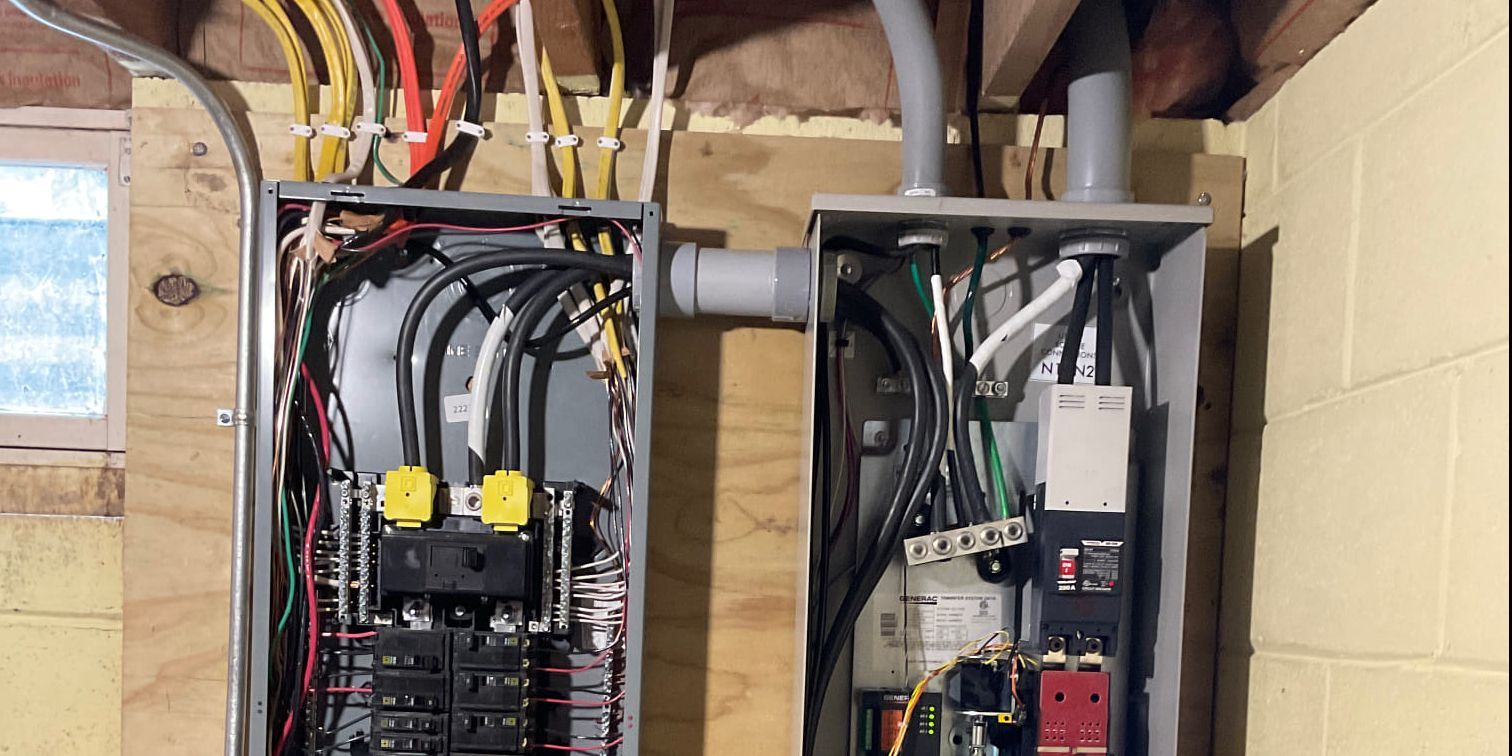
An electrician can also provide you with valuable insights about your system's performance and any potential hazards. Additionally, they can help you understand the importance of panel repair and replacement, ensuring stable electricity distribution throughout your home.
Attempting DIY repairs can lead to costly mistakes and safety risks. By working with a qualified professional, you'll save time and guarantee the job is done correctly. Electricians are equipped with the right tools and knowledge to address any issues, adhering to local codes and standards.
Plus, many electricians — like those at Professional Services — offer transparent communication and reliable scheduling, making the process easier for you. Investing in a professional assessment can ultimately protect your home and provide peace of mind.
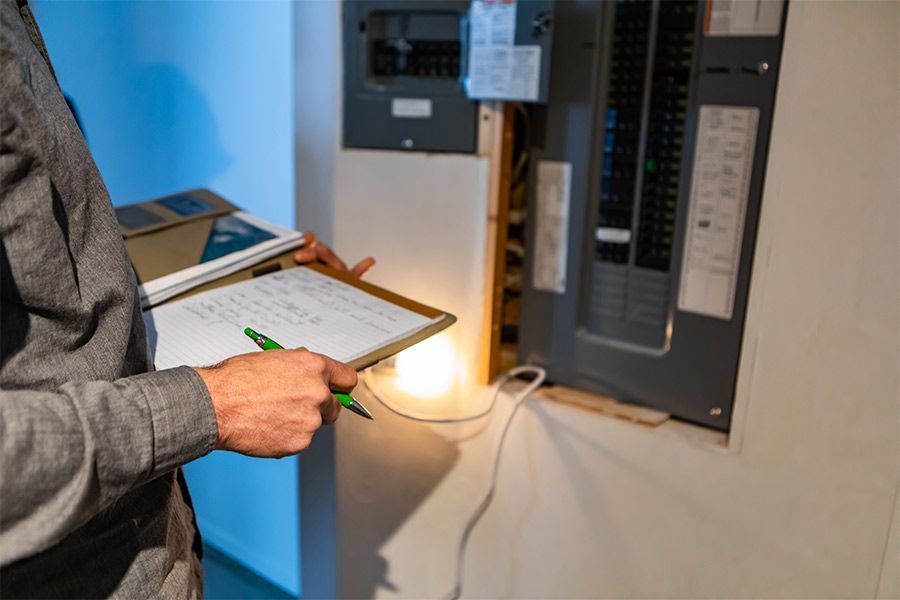
What a Professional Services electrical inspection covers in Port Washington: An electrical inspection from Professional Services is a comprehensive assessment of your home's entire electrical system — not just the visible outlets and switches. Technicians inspect the main service panel for proper breaker sizing, signs of overheating, and known problematic panel brands; assess branch circuit wiring for knob-and-tube, aluminum, or deteriorated insulation; test outlets for proper grounding and GFCI protection in required locations; and evaluate the overall load capacity against your home's current and anticipated demand. The inspection produces a clear, prioritized report of findings — so you understand exactly what needs immediate attention, what can be addressed in a planned timeline, and what's in good shape. This report is also valuable documentation for home sales, insurance reviews, and renovation planning.
Tips for Maintaining Your Home's Electrical System
Maintaining your home's electrical system is key to ensuring safety and efficiency. Start by regularly inspecting your outlets and switches for signs of wear — such as discoloration or cracking. If you notice anything unusual, replace them immediately.
Keep an eye on your circuit breakers; if they trip frequently, it might indicate an overload or a more serious issue. Don't overload your outlets with too many devices, as this can lead to overheating.
Additionally, consider scheduling annual electrical inspections with a licensed electrician to catch potential problems early. Replace any damaged cords and avoid using extension cords as a permanent solution.
Finally, keep your electrical panel accessible and label circuits for easy identification. By following these tips, you'll maintain a safe, reliable electrical system that meets your home's needs.
A Port Washington homeowner's annual electrical checklist:
- Test all GFCI outlets (bathrooms, kitchen, garage, exterior) by pressing the test/reset buttons — a failed test means immediate replacement
- Check the electrical panel for any breakers in the tripped position or evidence of scorch marks around breakers
- Walk the exterior and inspect any outdoor outlet covers for cracking or moisture intrusion
- Check that no extension cords are being used as permanent wiring solutions
- Note any new buzzing, flickering, or outlet warmth that wasn't present before
- Schedule your annual electrical inspection with Professional Services before winter, when heating appliances add the most load to your electrical system
Key Takeaways
Older homes in Port Washington, WI — particularly those built before 1970 in the lakefront, downtown, and bluff neighborhoods — are at elevated risk for six wiring problems: outdated wiring that can't meet modern demand, frayed or damaged wire insulation, insufficient grounding, overloaded circuits, ungrounded two-prong outlets, and knob-and-tube wiring that lacks modern safety standards. The USFA confirms that electrical fires cause approximately 51,000 house fires annually — older homes are disproportionately represented. Five warning signs demand professional attention: flickering lights, frequent breaker trips, buzzing from outlets or switches, discolored or warm outlets, and two-prong outlets. Homeowner safety precautions (power off, insulated tools, no wet areas) cover visual inspection only — actual wiring repairs require a licensed electrician under Wisconsin law. Annual professional electrical inspections are the most reliable prevention tool, producing a prioritized report of findings and providing documentation for home sales, insurance, and renovations. Contact Professional Services for licensed electrical inspection, panel repair, GFCI installation, and electrical rewiring throughout Port Washington and Ozaukee County.
Protect Your Port Washington Home — Contact Professional Services Today
Addressing wiring problems in an older Port Washington home is one of the most important investments you can make in your family's safety. By staying vigilant for warning signs and scheduling regular professional inspections, you'll protect your home from electrical hazards and maintain a system that meets your needs reliably for years to come.
Contact Professional Services for expert electrical inspection, electrical panel repair and replacement, electrical rewiring, and GFCI/AFCI outlet installation throughout Port Washington, WI and Ozaukee County.
You might also like