Common Reasons Your Heat Pump Isn't Working Right in Thiensville, WI

Professional Services
December 10, 2025

You might find it interesting that many homeowners in Thiensville, WI, face similar heat pump issues around this time of year. If your heat pump isn't working right, it could stem from several common problems. Often, these issues are easy to overlook but can lead to discomfort and higher energy bills. Curious about what might be affecting your system's performance? Let's explore some of the key reasons behind these heat pump malfunctions.


Insufficient Maintenance and Care

When you neglect regular maintenance for your heat pump, you're setting the stage for potential failures.


Dirty filters, clogged coils, and neglected ducts can all hinder efficiency and lead to breakdowns. By skipping routine check-ups, you allow dust and debris to accumulate, making your heat pump work harder than necessary. This not only raises your energy bills but also shortens the lifespan of your system.


Regular maintenance, on the other hand, keeps your heat pump running smoothly.


It includes cleaning, inspecting, and tuning up your system, ensuring everything operates at maximum performance.

Scheduling seasonal check-ups with a professional can catch small issues before they escalate into costly repairs. Furthermore, professional maintenance assessments help maintain ideal indoor air quality. Don't wait for a breakdown; invest in consistent care to enjoy reliable comfort year-round.


Your heat pump deserves attention, and so do you.


Thermostat Issues

Though your heat pump may be functioning well, thermostat issues can disrupt its performance and lead to uncomfortable indoor temperatures. If your thermostat isn't calibrated correctly, it mightn't communicate accurately with your heat pump, causing it to run inefficiently or not at all. You might notice temperature swings or inconsistent heating and cooling, which can be frustrating.


Additionally, dead batteries or a malfunctioning display can prevent you from making necessary adjustments. Sometimes, simply resetting your thermostat can resolve these glitches.


It's important to check for loose wires or connections too, as these can affect communication between the thermostat and your heat pump. Professional Services can provide expert technicians to assist with diagnosing and fixing any thermostat-related issues.


If you suspect thermostat issues, don't hesitate to consult a professional. They can quickly diagnose the problem and guarantee your heat pump operates smoothly and efficiently, keeping your home comfortable all year round.


Refrigerant Leaks

If you notice your heat pump struggling to maintain desired temperatures, refrigerant leaks could be the culprit. Refrigerant is essential for transferring heat, and if there's a leak, your system can't operate efficiently. You might experience inconsistent heating or cooling, as well as higher energy bills due to the unit working harder to compensate.


Look for signs like hissing sounds or ice buildup on the coils. If you suspect a leak, don't wait—contact a professional immediately. They'll locate the leak, repair it, and recharge your system with the proper amount of refrigerant. Ignoring the issue can lead to more significant damage to your heat pump and costly repairs down the line.


Scheduling regular evaporator coil services can help prevent issues like these and guarantee your heat pump runs smoothly. By staying proactive, you can enjoy consistent comfort in your home all year round.


Electrical Problems

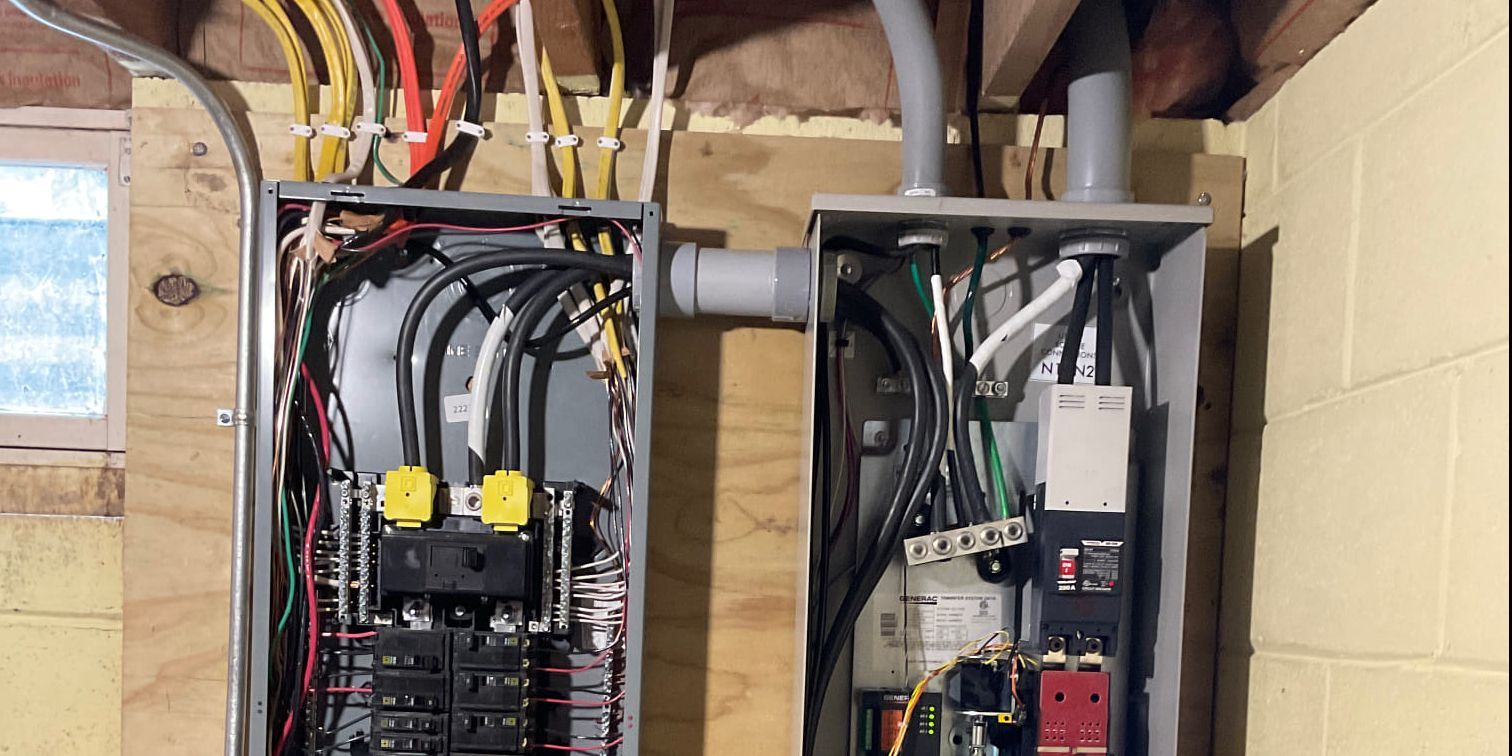
While heat pumps are generally reliable, electrical problems can disrupt their performance and lead to significant issues. If your heat pump isn't running, it could be due to a tripped breaker or blown fuse. These electrical components protect your system, but when they fail, your heat pump can't function properly.


Additionally, faulty wiring can cause erratic behavior and even pose a fire hazard. You might also experience issues with the thermostat, as a malfunctioning thermostat can prevent your system from receiving the signals it needs to operate effectively.


Regular maintenance can help catch these electrical issues early, ensuring your heat pump runs smoothly. If you suspect an electrical problem, don't hesitate to contact a professional. They can diagnose the issue and prevent further damage, keeping your home comfortable and safe. For instance, routine inspections can help maintain safe and functional electrical systems, minimizing the risk of future problems.


Clogged Air Filters and Ducts

Electrical issues aren't the only culprits that can hinder your heat pump's performance. Clogged air filters and ducts can also lead to inefficient heating or cooling.


When airflow is restricted, your heat pump has to work harder, which can increase energy costs and cause wear and tear.

Here are some signs that you might've clogged filters or ducts:


  1. Reduced airflow: You notice weak or inconsistent airflow from your vents.
  2. Unusual noises: Your heat pump makes strange sounds, indicating stress or blockage.
  3. Increased energy bills: You see a spike in your utility costs without a change in usage.
  4. Dust accumulation: Your home becomes dusty faster than usual, suggesting poor filtration.


Regularly checking and replacing your filters and scheduling duct cleaning with a professional can help keep your heat pump running efficiently.


Don't let clogs compromise your comfort!
Professional Services Today for Boiler Repair

Conclusion

In Thiensville, WI, if your heat pump isn't working right, remember that "an ounce of prevention is worth a pound of cure." Regular maintenance can save you from costly repairs and keep your home comfortable. Don't ignore thermostat settings, check for refrigerant leaks, and always keep an eye on those filters and ducts. With a little attention, you can guarantee your heat pump runs smoothly and efficiently, making those chilly winters much more bearable.

You might also like
December 10, 2025
When your furnace starts to show its age, it might not be as cozy as it used to be. You might notice some odd signs that suggest it's time for a check-up. Ignoring these clues could lead to bigger problems down the line. Curious about what to watch for? Let's explore the top seven warning signs that indicate your furnace needs urgent repair in Port Washington, WI. Unusual Noises Coming From the Furnace If you hear unusual noises coming from your furnace, it's crucial to pay attention, as these sounds often signal that something's not right. Rattling, banging, or squealing noises can indicate various issues, from loose components to a malfunctioning blower motor. Ignoring these sounds could lead to more significant problems down the line. When you hear a clanking sound, it might mean that something's loose inside. A high-pitched squeal could suggest that the motor bearings are wearing out and need lubrication or replacement. Additionally, if you hear hissing, it could mean there's a gas leak, which requires immediate attention for safety reasons. Regular maintenance is essential to avoid these common problems and keep your furnace in optimal condition. Don't wait for the situation to worsen. Reach out to Professional Services for a thorough inspection and expert repair. Their certified professionals can diagnose the issues quickly, ensuring that your furnace operates safely and efficiently, keeping your home warm and comfortable. Inconsistent Heating Throughout Your Home When you notice inconsistent heating throughout your home, it can be frustrating and uncomfortable, especially during the colder months. You might find certain rooms warm while others remain chilly, which can disrupt your daily activities. This uneven heating often signals an underlying issue with your furnace or ductwork. Clogged air filters, blocked vents, or even an improperly sized furnace can lead to these temperature discrepancies. If you're frequently adjusting thermostats in different rooms without achieving a comfortable balance, it's time to take action. Ignoring this problem can lead to further complications, potentially leaving you with a furnace that won't heat efficiently. Regular annual furnace maintenance is crucial to ensure your heating system operates effectively. To guarantee your home stays cozy, consider reaching out to a professional HVAC technician. They'll diagnose the issue and get your heating system running smoothly again, restoring comfort throughout your living space. Don't wait—addressing inconsistent heating promptly can save you time and trouble later. Increased Energy Bills If you've noticed a spike in your energy bills, it might be a sign that your furnace isn't operating efficiently. Hidden mechanical issues can cause your system to work harder, using more energy than necessary. Keeping an eye on those rising costs can help you catch problems early and save money in the long run. Additionally, energy-efficient heating solutions can significantly reduce your energy consumption and costs over time. Inefficient Energy Use As winter sets in and you crank up the heat, you might notice your energy bills climbing higher than usual, signaling inefficiency in your furnace. This spike could indicate that your system is working harder than necessary to maintain a comfortable temperature. If your furnace isn't heating your home effectively, it might be time to evaluate its energy use. An inefficient furnace not only drives up your bills but also raises your carbon footprint. Look for signs like uneven heating, strange noises, or frequent cycling on and off. Catching these issues early can save you money and guarantee your home stays cozy all season. Don't wait—prioritize your furnace's efficiency to keep your energy costs in check. Hidden Mechanical Issues Increased energy bills can often signal hidden mechanical issues within your furnace. When your system struggles with internal problems, it works harder, consuming more energy than necessary. You might notice strange noises or uneven heating, which could indicate worn-out parts or faulty components. If you're experiencing these symptoms alongside rising costs, it's time to investigate further. Ignoring these signs can lead to more extensive damage and costly repairs down the line. Regular maintenance can help catch these issues early, but if you're already facing high bills, don't wait. Call a professional to diagnose and resolve any hidden problems. Investing in urgent repairs now can save you money and guarantee your home remains comfortable all season long. Yellow or Flickering Pilot Light If you notice a yellow or flickering pilot light in your furnace, it's time to pay attention. A normal pilot light should burn blue, so any change can indicate underlying issues that pose safety risks. Professional Services provides quality maintenance and urgent repairs for heating systems, ensuring your home remains safe and comfortable. Let's explore what causes this flickering and how it affects your heating system. Normal Pilot Light Color When you notice a yellow or flickering pilot light in your furnace, it's a clear signal that something's amiss. Typically, a healthy pilot light should burn a steady blue color, indicating that your furnace is functioning smoothly. A consistent blue flame means efficient gas combustion and peak performance. If you see yellow or flickering flames instead, it could suggest incomplete combustion or other issues that may affect your furnace's efficiency and safety. Ignoring these changes can lead to more significant problems down the line. Make sure to monitor your furnace's pilot light regularly; if it doesn't stay blue, it's time to call in a professional to diagnose and resolve the issue promptly. Causes of Flickering A flickering or yellow pilot light can indicate several underlying issues with your furnace. One common cause is a dirty or clogged pilot orifice, which restricts gas flow and affects combustion. Additionally, problems with the thermocouple can lead to inconsistent readings, causing the pilot light to flicker. If your furnace's gas supply is interrupted or if there's an issue with the gas line, you might see a flickering light as well. Another potential culprit is a draft that blows out the pilot flame or causes instability in its burn. Finally, a malfunctioning gas valve can lead to irregular gas pressure, resulting in a flickering light. Addressing these issues promptly can help restore your furnace's performance. Safety Risks Involved Noticing a yellow or flickering pilot light in your furnace can signal more than just a minor inconvenience; it poses serious safety risks that shouldn't be ignored. This issue often indicates incomplete combustion, which can lead to dangerous carbon monoxide leaks in your home. If you see this warning sign, it's vital to act quickly. Carbon Monoxide Poisoning : A flickering light may mean your furnace is producing harmful gases. Fire Hazard : An unstable pilot light can increase the risk of a fire starting in your home. Inefficient Heating : A malfunctioning pilot light can lead to inconsistent heating, making your home uncomfortable. Don't take chances—contact a professional to assess your furnace immediately. Frequent Cycling On and Off If your furnace seems to be cycling on and off frequently, it's a clear sign that something might be wrong. This behavior, known as short cycling, can lead to increased energy bills and unnecessary wear on your system. You might notice that your home isn't heating evenly or that you're constantly adjusting the thermostat. Several factors could be causing this issue. A dirty air filter could restrict airflow, forcing your furnace to work harder, or a malfunctioning thermostat might misread the temperature. It could also indicate issues with the furnace's limit switch or other internal components. Ignoring frequent cycling can result in more significant problems down the line, so it's best to address it promptly. If you notice this symptom, contact a qualified technician from Professional Services. They can diagnose the issue and guarantee your furnace operates efficiently, providing the comfort you deserve. Unpleasant Odors Emitting From the Furnace Unpleasant odors coming from your furnace can be a troubling sign that something's amiss. It's important to pay attention to these smells, as they can indicate various issues that may require urgent repair. Here are some common odors you might notice: Burning Smell : This could mean dust or debris is burning off the heating elements, but persistent odors may signal a more serious problem. Gas Smell : If you detect a sulfur or rotten egg odor, it could indicate a gas leak. This is a serious issue that requires immediate attention! Moldy or Musty Odor : This usually points to moisture buildup, which can lead to mold growth and affect your indoor air quality. If you notice any of these odors, don't hesitate to reach out to a professional HVAC service. It's better to address the issue sooner rather than later to guarantee your home remains safe and comfortable. Presence of Carbon Monoxide Detectors Alerting When your carbon monoxide detector alerts, it's a serious sign that demands immediate attention. Carbon monoxide is a deadly gas, and its presence indicates that your furnace may be malfunctioning. You shouldn't ignore this warning; it could put your health and safety at risk. First, turn off your furnace and evacuate everyone from your home. Make sure to call emergency services if anyone is experiencing symptoms like headaches or dizziness. Once you're safe, contact a professional HVAC technician to inspect your furnace. They'll identify the issue and make necessary repairs to guarantee your system operates safely. Regular maintenance can help prevent carbon monoxide leaks, so consider enrolling in a maintenance plan.
December 10, 2025
Did you know that nearly 90% of homeowners experience furnace issues at some point? Finding a reliable technician in Port Washington, WI, can feel overwhelming, but it doesn't have to be. By following a few expert tips, you can guarantee your furnace gets the attention it needs without unnecessary hassle or expense. Let's explore how you can make an informed choice when hiring a furnace repair technician. Research Local Furnace Repair Technicians When you're in need of furnace repair, it's essential to research local technicians to guarantee you find the best fit for your needs. Start by asking friends, family, and neighbors for recommendations; personal experiences can help you narrow down your options. Next, check online reviews and ratings on platforms like Google and Yelp to gauge customer satisfaction. Look for technicians who specialize in furnace repair, as their expertise will make a difference in the quality of service you receive. Don't ignore their websites—review the services offered, testimonials, and any special promotions. Finally, consider contacting a few technicians to ask about their experience and availability. This will help you get a feel for their communication style and professionalism. Additionally, ensure that they are knowledgeable about annual furnace maintenance , as this is crucial for safety and functionality. Check for Licenses and Certifications After narrowing down your options for furnace repair technicians, checking their licenses and certifications is the next step. This guarantees you're hiring a qualified professional who complies with local regulations. Here's what to look for: State License : Verify that the technician holds a valid license for HVAC work in Wisconsin. Certifications : Check for certifications from recognized organizations like NATE (North American Technician Excellence). Insurance : Confirm the technician has liability insurance to protect you from any damages during repairs. Continuing Education : Look for evidence of ongoing training, which shows that the technician stays updated on the latest technologies and practices. Additionally, ensure the technician is familiar with natural gas heating system services , as this expertise is crucial for effective repairs. Read Customer Reviews and Testimonials Reading customer reviews and testimonials can provide valuable insights into the experiences of others who've hired furnace repair technicians. These reviews often highlight the quality of service, reliability, and professionalism you can expect from a technician. Look for patterns in feedback—positive comments about promptness, thorough communication, and effective repairs can be strong indicators of a trustworthy service provider. Don't just focus on the star ratings; read through the detailed comments to get a clearer picture of what to expect. Pay attention to how the company responds to negative reviews, as this can reveal their commitment to customer satisfaction. Local forums and social media can also be excellent sources for honest opinions. By gathering this information, you can make a more informed decision and choose a technician who's likely to meet your furnace repair needs effectively. Additionally, consider looking for reviews that mention customer satisfaction , as it underscores the technician's commitment to quality service. Inquire About Experience and Expertise Years in Business : Ask how long they've been working in furnace repair. More experience often means better skills. Certifications and Training : Verify if they've relevant certifications, which indicate they've completed necessary training. Specialization : Confirm they've experience with your specific furnace brand or model, as different systems can require unique knowledge. References : Request references from previous clients to understand their level of service and reliability. Additionally, consider hiring technicians who are familiar with furnace installation options to ensure they can provide comprehensive service. Ask for Detailed Estimates When hiring a furnace repair technician, it's essential to ask for detailed estimates. Request an itemized cost breakdown to understand what you're paying for, and don't hesitate to compare multiple estimates for the best value. Also, inquire about any warranties to guarantee peace of mind for your investment. Itemized Cost Breakdown It's essential to understand the costs involved in hiring a furnace repair technician, and asking for a detailed estimate can make a significant difference. An itemized cost breakdown helps you see exactly what you're paying for. Here are four key components to look out for: Labor Costs : This includes the technician's hourly rate and estimated hours for the job. Parts and Materials : Ask for a list of any replacement parts or materials needed. Service Fees : Some companies charge a diagnostic fee or service call fee. Warranty Information : Confirm you understand any warranties on parts or labor. Having this breakdown will help you make informed decisions and avoid any surprises on the final bill. Compare Multiple Estimates After obtaining an itemized cost breakdown, the next step is to compare multiple estimates from different furnace repair technicians. This process helps you assess which technician offers the best value for your money. Look for detailed estimates that outline labor, parts, and any additional fees. Don't just focus on the total price; consider the quality of service and the reputation of each technician. A lower estimate might mean cutting corners, while a higher one could reflect better materials or expertise. Take your time to ask questions about each estimate, ensuring you understand what's included. Inquire About Warranty How can you guarantee peace of mind with your furnace repair? One key step is to inquire about warranties. A solid warranty can protect your investment and assure your technician stands by their work. Here are four essential points to contemplate: Duration : Ask how long the warranty lasts. A longer warranty often indicates confidence in the service. Coverage : Understand what the warranty covers. Does it include parts, labor, or both? Transferability : Check if the warranty transfers to future homeowners, adding value to your property. Claim Process : Inquire about how to file a claim. A straightforward process can save you headaches down the line. Evaluate Customer Service and Communication When hiring furnace repair technicians, you should assess their response time and how clearly they communicate. Pay attention to their professionalism during interactions, as this reflects their commitment to customer service. Strong communication practices can make a significant difference in your overall experience. Response Time Assessment While you may not always anticipate a furnace emergency, knowing that Professional Services is just a call away can provide peace of mind. When evaluating response times, consider the following: Availability : Do they offer 24/7 emergency services? Initial Contact : How quickly do they answer your call or return your message? Estimated Arrival : Do they provide timeframes for when a technician will arrive? Follow-Up : Were you contacted after the service to confirm satisfaction? Clear Communication Practices Effective communication is essential in any service industry, especially during emergencies. When hiring furnace repair technicians, pay attention to how they communicate. A responsive technician will answer your calls or messages promptly and provide clear, concise information about the services offered. Look for those who explain the repair process in layman's terms, guaranteeing you understand what's happening with your furnace. Transparency is key; they should outline costs upfront and discuss any potential issues without jargon. Additionally, gauge how they listen to your concerns. A technician who actively listens demonstrates a commitment to addressing your specific needs. Clear communication fosters trust and guarantees you're informed every step of the way, making your experience more reassuring and effective. Professionalism in Interactions Professionalism in interactions is essential for guaranteeing a positive customer experience, especially in high-stress situations like furnace repairs. When hiring a technician, evaluate their customer service and communication skills. Here are four key aspects to reflect on: Responsiveness : Do they answer your calls or messages promptly? Clarity : Are they clear in explaining the issues and solutions? Respect : Do they treat you and your property with respect? Follow-Up : Do they check in after the service to guarantee satisfaction? Verify Warranty and Service Guarantees Before you schedule any furnace repair, it's crucial to verify the warranty and service guarantees that come with your system. Check the documentation to see what's covered and for how long. This knowledge can save you money and stress down the line. Next, ask your potential technician about their warranty on repairs. A reliable technician should offer a guarantee on their work, ensuring that if issues arise shortly after the repair, they'll return to fix them at no extra cost. Additionally, inquire about any maintenance plans that might be available. These plans often include service guarantees, ensuring your furnace remains in top condition. Finally, take the time to read customer reviews, focusing on their experiences with warranties and guarantees. This will help you choose a technician who stands behind their work and values customer satisfaction.
December 10, 2025
Imagine your furnace as a diligent worker, tirelessly working to keep your home warm. However, even the best workers need support to perform efficiently. By implementing proven strategies, you can enhance your furnace's performance and reduce energy costs. From regular maintenance to smart upgrades, there's much you can do. Let's explore these essential steps to guarantee your furnace operates at its best and saves you money in the process. Schedule Regular Maintenance Checks To keep your furnace running efficiently, it's important to schedule regular maintenance checks. By doing this, you guarantee that any potential issues are caught early, preventing costly repairs down the line. A trained technician will inspect your system, clean critical components, and tune it up, which enhances performance and boosts efficiency. Regular maintenance is essential for maintaining a comfortable indoor environment , as it helps ensure your furnace operates safely and effectively. Without regular checks, dirt buildup and wear can greatly reduce your furnace's ability to heat your home effectively. You might notice uneven temperatures or increased energy bills, signaling that your furnace needs attention. Scheduling maintenance also prolongs your furnace's lifespan, saving you money in the long run. Make it a habit to book these checks at least once a year, ideally before the heating season kicks in. With Professional Services, you can trust that expert technicians will handle your furnace with care, guaranteeing it runs smoothly when you need it most. Change Air Filters Frequently While you mightn't think about it often, changing your air filters frequently is essential for maintaining your furnace's efficiency. Dirty filters restrict airflow, making your furnace work harder to heat your home. This not only increases energy consumption but can also lead to unnecessary wear and tear on your system. Aim to check your filters every month, especially during peak usage seasons. If they're dirty, replace them immediately. Using high-quality filters can also improve your indoor air quality, reducing allergens and dust in your home. Additionally, regular maintenance of your HVAC system can prolong its lifespan and enhance overall performance. Upgrade to a Programmable Thermostat Upgrade to a Programmable Thermostat Upgrading to a programmable thermostat can transform how you manage your home's heating. You can set temperature schedules that match your routine, which enhances energy savings while keeping your space comfortable. Plus, with remote temperature control, you can adjust settings from anywhere, ensuring efficiency even when you're not home. Additionally, many modern thermostats can integrate with your HVAC system, optimizing furnace installation options for enhanced performance and efficiency. Set Temperature Schedules How can you maximize your furnace's efficiency and save on energy bills? One effective way is to set temperature schedules using your programmable thermostat. By programming your thermostat to lower the temperature while you're away or asleep, you can greatly reduce energy consumption. For instance, set it to drop a few degrees during the night or when you're at work. You'll enjoy a cozy home upon your return without wasting energy. Many programmable thermostats allow you to create multiple schedules for weekdays and weekends, giving you full control over your indoor climate. This not only boosts your furnace's efficiency but also translates to lower energy bills, making it a win-win for your comfort and budget. Enhance Energy Savings If you're looking to enhance your energy savings, upgrading to a programmable thermostat can make a significant difference. These smart devices allow you to set specific temperatures for different times of the day, ensuring your furnace operates only when needed. You can easily program it to lower the temperature while you're away or asleep, reducing energy consumption without sacrificing comfort. With features like vacation settings and flexible scheduling, you gain full control over your home's heating. This means you can avoid heating an empty house, ultimately leading to lower utility bills. Plus, many models can be integrated with other smart home technology, providing even more convenience. Invest in a programmable thermostat to maximize your furnace's efficiency and save money. Remote Temperature Control One of the best ways to enhance your home's heating efficiency is through remote temperature control with a programmable thermostat. These smart devices let you schedule heating times that align with your lifestyle, ensuring your furnace operates only when you need it. By setting lower temperatures during the day while you're away or asleep, you can appreciably reduce energy consumption and lower your utility bills. Plus, many programmable thermostats allow you to adjust settings remotely via smartphone apps, so you can make changes on the go. This means you'll always return to a cozy home without unnecessary energy waste. Upgrading to a programmable thermostat is a simple yet effective way to boost your furnace's efficiency and improve comfort. Seal Ductwork and Insulate Properly To boost your furnace efficiency, sealing ductwork and ensuring proper insulation are essential steps that shouldn't be overlooked. Leaky ducts can waste a significant amount of heated air, causing your furnace to work harder and driving up energy bills. Start by inspecting your ductwork for any visible gaps or holes, especially at connections and joints. Use mastic sealant or metal tape to seal these leaks effectively. Next, focus on insulation. Properly insulating your ductwork, particularly if it runs through unconditioned spaces like attics or basements, can minimize heat loss. Insulation helps maintain the temperature of the air traveling through the ducts, ensuring your furnace doesn't have to compensate for lost heat. Additionally, regular maintenance and inspections by certified professionals can help identify current and potential issues early, allowing you to take action before they escalate. Reduce Drafts and Improve Home Insulation While it may seem minor, reducing drafts and improving your home insulation can considerably enhance your furnace's efficiency. Start by checking for gaps around windows, doors, and electrical outlets. You can use weatherstripping or caulk to seal these leaks, preventing warm air from escaping. Next, consider adding insulation to your attic, walls, and floors. Proper insulation keeps the heat where you want it—inside your home. If your basement or crawl space is poorly insulated, it can lead to significant heat loss, so don't overlook these areas. Also, make certain your vents aren't blocked by furniture or other items. This guarantees that warm air circulates effectively throughout your home. Consider a High-Efficiency Furnace If you want to maximize your comfort while cutting costs, consider investing in a high-efficiency furnace. These models often come with Energy Star ratings, meaning they consume less energy and save you money on your utility bills. Plus, with lower operating costs, you'll enjoy a more budget-friendly heating solution year after year. Energy Star Ratings When you consider upgrading to a high-efficiency furnace, Energy Star ratings play an essential role in your decision-making process. These ratings indicate how well a furnace can convert fuel into heat, ensuring you're making a smart investment. Here are some key points to keep in mind: Efficiency Benchmark : Energy Star furnaces typically have an AFUE rating of 90% or higher. Environmental Impact : Choosing an Energy Star model reduces your carbon footprint. Rebates and Incentives : Many utility companies offer rebates for Energy Star appliances. Long-Term Savings : Higher efficiency means lower energy bills over time. Reduced Operating Costs Upgrading to a high-efficiency furnace not only enhances your home's comfort but also considerably reduces operating costs. These systems utilize advanced technology to convert more fuel into heat, meaning you'll spend less on energy bills each month. With a higher AFUE (annual fuel utilization efficiency) rating, you can expect savings of up to 20% or more compared to standard models. Plus, many high-efficiency furnaces qualify for rebates and incentives that can offset the initial investment. Regular maintenance further boosts efficiency and longevity, ensuring your furnace runs effectively. Utilize Ceiling Fans for Better Air Circulation Ceiling fans can be a game-changer for enhancing air circulation in your home. By strategically using ceiling fans, you can maximize your furnace's efficiency and create a more comfortable environment. Here's how to make the most of them: Reverse the Direction : In colder months, set your fan to run clockwise to push warm air down. Use Low Speed : Running the fan on a low setting circulates air without creating a chill. Adjust Thermostat Settings : With improved air circulation, you might be able to lower your thermostat by a degree or two. Combine with HVAC Systems : Use fans alongside your furnace to distribute heat evenly and reduce strain on the system. Clean the Furnace and Its Components To maximize your furnace's efficiency, keeping it clean is key. Dirt and dust can accumulate, hindering performance and increasing energy usage. Start by turning off the power to your furnace before you begin cleaning. Remove the access panels and vacuum any dust and debris you find inside. Pay special attention to the blower motor and fan, as these components are essential for proper airflow. Don't forget to change or clean the air filter regularly, ideally every month during the heating season. A clogged filter restricts airflow, making your furnace work harder and less efficiently. Also, inspect the burners for any buildup that could affect combustion. If you notice any significant dirt or malfunction, consider scheduling a professional cleaning with a trusted service like Professional Services. Regular maintenance not only boosts efficiency but also extends your furnace's lifespan, ensuring cozy winters ahead. Optimize Ventilation and Exhaust Systems While you may focus on cleaning your furnace, optimizing your ventilation and exhaust systems is equally important for maintaining efficiency. Proper airflow enhances your furnace's performance and can lead to significant energy savings. Here are four key steps to optimize these systems: Inspect Ductwork : Check for leaks or blockages that can hinder airflow. Seal any gaps to improve efficiency. Balance Airflow : Adjust vents and registers to guarantee even distribution of heated air throughout your home. Install Dampers : Use dampers to control airflow in specific areas, optimizing the system for various needs. Clean Exhaust Flues : Confirm your exhaust systems are clear of debris to prevent backdrafts and maintain safe operation. Take Advantage of Energy-Efficient Practices By adopting energy-efficient practices, you can substantially enhance your furnace's performance and reduce utility costs. Start by regularly changing your air filters to guarantee ideal airflow. Clogged filters make your furnace work harder, increasing energy consumption. You should also consider upgrading to a programmable thermostat, allowing you to set temperatures according to your schedule, which saves energy when you're not home. Seal any gaps or leaks in your ductwork to prevent heat loss. Insulating your home, especially attics and basements, helps retain warmth, making your furnace's job easier. Additionally, consider scheduling annual maintenance with Professional Services to keep your system running efficiently. Regular check-ups can identify issues before they become costly repairs. Finally, explore energy-efficient models when it's time to replace your furnace. Investing in a high-efficiency unit can lead to significant savings on your energy bills while keeping your home comfortable.

Book a Service Today