
5 Signs You Need a New Furnace in Grafton, WI
Professional Services Heating, AC & Electric Repair
Key Points
- A furnace that won't ignite quickly, cycles constantly, or triggers your CO alarm may be signaling a failing gas valve.
- Heating systems are the second-leading cause of non-fire carbon monoxide deaths in the U.S. tied to consumer products, according to the CPSC — a faulty valve isn't something to wait on.
- Some gas valve issues (loose wiring, a bad coil) can be diagnosed and sometimes repaired; others point to a system that needs replacing.
- A furnace maintenance visit catches most valve problems before they become emergencies.
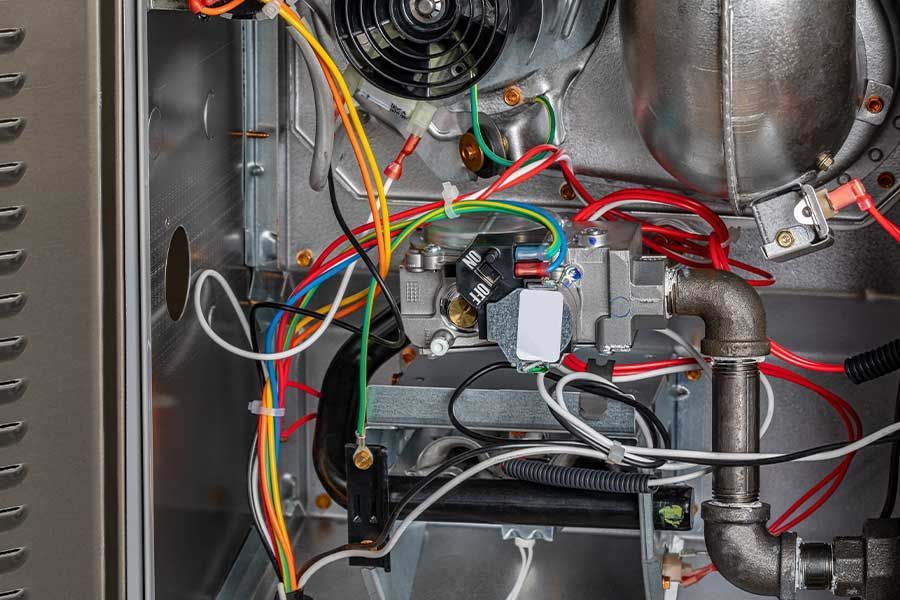
If you have a gas heater to keep your Grafton, WI home warm all winter, it has a valve that supplies fuel to the system. A furnace not igniting quickly is a major issue and could indicate a faulty valve. Do you know how to know if a furnace gas valve is bad?
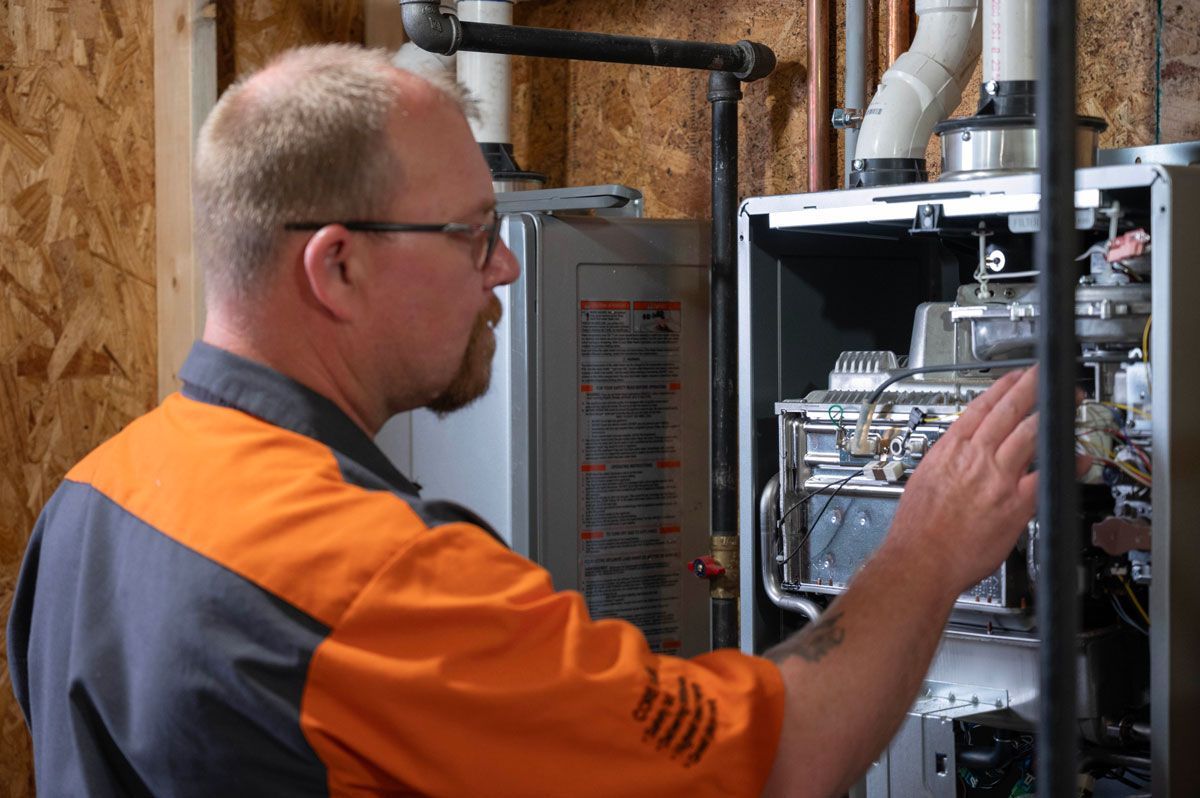
When getting professional furnace maintenance in Sheboygan, WI, the technician will evaluate the heater's gas valve and make necessary repairs or replacements. However, it still helps to know what signs to look for in a bad valve to avoid serious complications.
Learn more in our post below.
Warning Signs To Look for in a Faulty Furnace Valve in Sheboygan
Sometimes, to know whether a gas valve on your furnace has failed, look for error code indicators on the heater's control panel. If the gas valve malfunctions, there may be blinking LED lights or another indicator on the control panel, depending on your model.
Other warning signs include the following.
The Furnace Doesn't Produce Heat
Another obvious sign that your Grafton or Sheboygan home has a heater with a failing gas valve is a lack of heat throughout the residence. The valve must release enough fuel into the combustion chamber to ensure an adequate combustion process.
If your heater turns on but only blows warm air, it may be due to gas flow issues. If your furnace stops working altogether, the culprit could be a faulty thermocouple, a safety feature that detects a pilot light. The furnace will stop working if it has pilot light problems to prevent the valve from leaking harmful gas. If simple troubleshooting doesn't resolve it, a furnace repair technician can pinpoint the exact cause.
The Heater Cycles Constantly
Want to learn how to know if your furnace gas valve is bad? Pay attention to your system's heat cycles.
Suppose your heater constantly turns on and off, yet your Sheboygan home still never seems warm enough. In that case, you might assume the thermostat settings need an adjustment.
However, if the thermostat settings are correct but the constant on-and-off cycle continues, your furnace is short-cycling. This is an indicator of poor performance and reduced efficiency. A malfunctioning gas valve is just one reason this issue develops.
In this situation, it's best to turn off the heater and contact a qualified HVAC technician. They will inspect the system to identify the cause of the inefficiency.
The Carbon Monoxide Alarm Goes Off
Does your carbon monoxide alarm go off inside your home? Don't ignore it!
A failing gas valve could leak fuel into the furnace and seep into the air within your living spaces. Natural gas is flammable and dangerous to inhale. Heating systems account for roughly 28% of non-fire carbon monoxide deaths tied to consumer products, according to the U.S. Consumer Product Safety Commission — making a working alarm and a properly functioning valve essential, not optional. If your carbon monoxide alarm sounds, turn off the furnace immediately, evacuate the building, and contact a local HVAC company for help. A working carbon monoxide detector is one of the cheapest safeguards you can have in place.
You Notice a Flood or Leak Around the Heater
You might not expect flooding around gas furnaces, but it happens. Unfortunately, moisture around the heater could impact the valve, flame sensor, and other vital parts. Contact an HVAC professional to assess your equipment and ensure each component is fully functional without water damage.
Troubleshooting Your Furnace Valve: What To Do
After learning how to know if a furnace gas valve is bad, you should also learn how to troubleshoot it. Here are the primary steps to take:
Inspect Valve Wires
Valve wires can degrade over time, leading to cracks or fraying. Replacing them may resolve furnace issues.
Check the Valve Coil
After looking at the wiring, move on to the gas valve coil. Use a manometer or multimeter to test the coil's resistance. An OL reading indicates a bad coil.
Assess the Ignition Source
Your gas furnace either has a pilot light or an electronic ignition system. Both components are near the bottom of the furnace.
You can look under the heater to see if the pilot light is out. For an electronic ignition, turn the furnace on and look for a glow under it. If you just hear clicking, the ignitor has a problem.
When Repair Isn't Enough: Signs You May Need Furnace Replacement
Not every gas valve issue ends in a repair. If your furnace is more than 15 years old, has needed multiple valve repairs in the past couple of years, or your energy bills keep climbing despite regular maintenance, it may be more cost-effective to look into furnace installation rather than patching the same system again. A technician can walk you through repair-versus-replace costs during an inspection so you're not guessing.
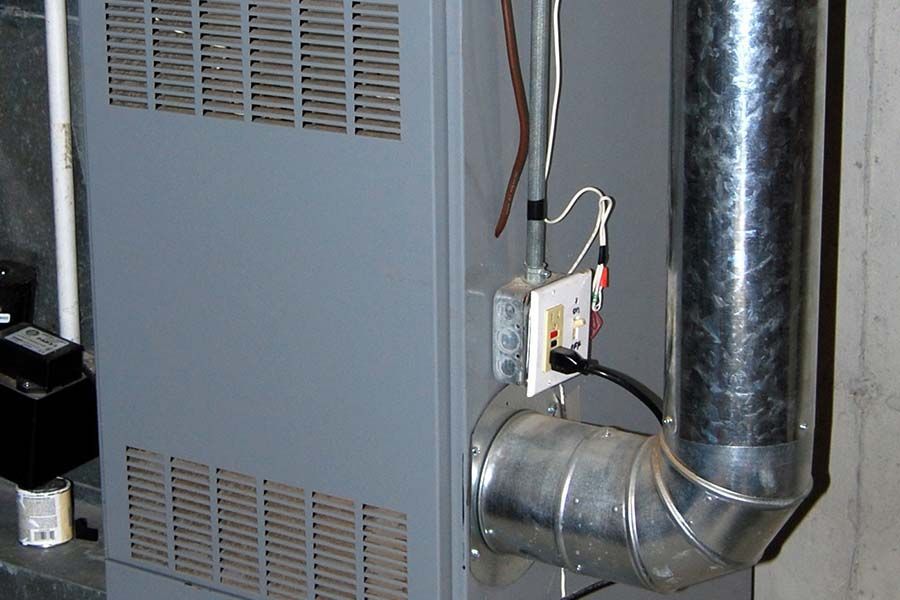
Get Help With Your Furnace With Sheboygan's Leading HVAC Company
Learning how to know if a furnace gas valve is bad can be tricky, but you can always count on our experts at Professional Services to keep your heating system in great condition. As one of the top HVAC services providers in Sheboygan, WI, we know everything from the primary causes of a furnace blower not working to how to conduct valve continuity tests to check a furnace's electrical flow.
From heater repairs to routine maintenance, our skilled technicians do it all. Contact Professional Services today to request an appointment.
Frequently Asked Questions
Can a bad furnace gas valve be repaired, or does it need to be replaced? It depends on the issue. A loose wire or a valve stuck from age can sometimes be repaired. But if the valve itself has failed internally, replacement is usually the safer and more reliable fix.
Is it safe to keep running my furnace if I suspect a bad gas valve? No. A failing gas valve can lead to gas leaks or carbon monoxide exposure. Turn off the furnace and call an HVAC technician right away if you notice any of the warning signs above.
How much does it cost to replace a furnace gas valve? Costs vary based on your furnace's make, model, and age. A technician can give you an accurate quote after inspecting your system.
How often should I have my furnace inspected to catch valve problems early? Most manufacturers and HVAC professionals recommend a professional furnace inspection once a year, ideally in early fall before heating season begins.
You might also like