
5 Pro Tips to Keep Your Generator Running Smoothly in Thiensville, WI
Professional Services Heating, AC & Electric Repair
Is it really possible to keep your generator running smoothly with just a few simple steps? Many people overlook essential maintenance, thinking it's too complicated or time-consuming. However, with the right approach, you can guarantee your generator operates efficiently for years. Discover the five pro tips that can make all the difference in your generator's performance and longevity.
Regular Maintenance Checks
Regular maintenance checks are essential for keeping your generator running smoothly and efficiently. You should inspect your generator at least once a month to guarantee all components are in good working order.
Start by checking the oil level and topping it off if necessary. Look for any signs of leaks or corrosion, as these can lead to bigger issues down the line. Don't forget to clean or replace the air filter to maintain peak airflow.
Additionally, test the battery and connections, confirming they're secure and free from corrosion. Running your generator briefly every month can also help keep it in shape, allowing you to listen for unusual sounds. It's crucial to ensure that your generator undergoes preventative maintenance to avoid harmful issues such as carbon monoxide emissions.
If you notice anything off, it's best to consult a professional. By staying proactive with maintenance, you'll help guarantee your generator is ready to perform when you need it most.
Keep Fuel Fresh and Stable
To guarantee your generator operates efficiently, it's crucial to keep the fuel fresh and stable. Old or contaminated fuel can lead to performance issues and costly repairs.
Start by using fuel stabilizers, which can help prolong the life of your gasoline or diesel. Make sure to store fuel in a clean, airtight container to prevent moisture and contaminants from entering.
If you're not using your generator for a while, consider draining the fuel system or running it dry. This minimizes the risk of stale fuel sitting in the tank.
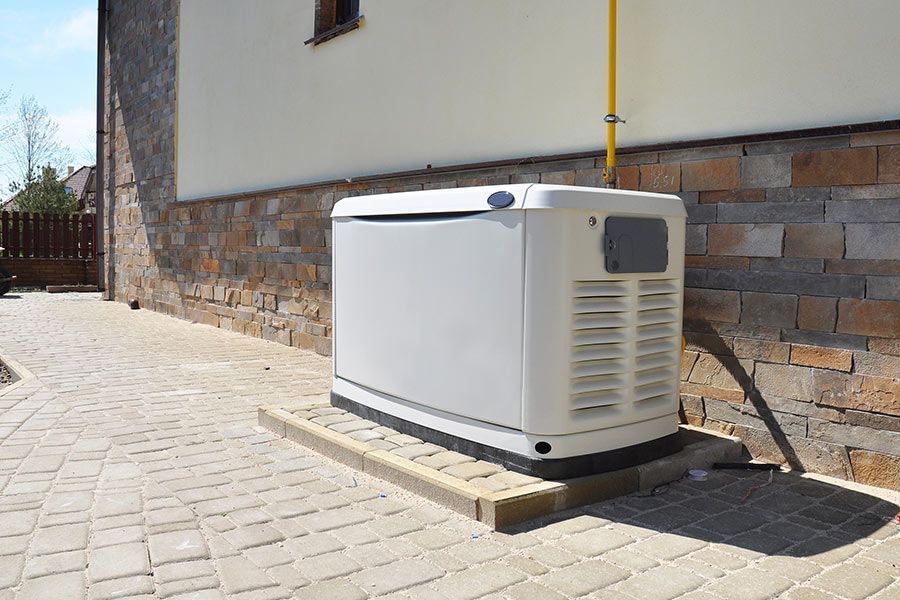
Regularly check your fuel levels and replace old fuel every few months to maintain peak performance. Additionally, keep an eye on the fuel's appearance; if it looks cloudy or has a strange odor, it's time to replace it. Moreover, using backup generators ensures that you have a reliable power source during outages, which emphasizes the importance of maintaining your fuel.
Inspect and Replace Filters
While it might seem like a small task, inspecting and replacing your generator's filters is crucial for peak performance.
Dirty filters can restrict airflow, causing your generator to work harder and potentially leading to overheating or mechanical failures. To keep your generator running efficiently, make it a habit to check the air and fuel filters every few months.
If you notice any dirt, debris, or other buildup, it's time for a replacement. Always refer to your manufacturer's guidelines for the correct filter types and replacement intervals.
When changing filters, verify you're using high-quality options to maximize your generator's efficiency and longevity. Additionally, regular emergency generator maintenance can help ensure that your generator remains in optimal working condition.
Don't overlook this simple maintenance step, as it can save you from costly repairs down the line.
Test Your Generator Monthly
Testing your generator monthly guarantees it's ready to kick in when you need it the most. Regular testing helps identify any potential issues before they become major problems.
Start by running your generator for about 30 minutes under a load to verify it operates smoothly. This not only checks the functionality but also keeps the battery charged and lubricates the engine.
While it's running, listen for unusual sounds and watch for any warning lights. Make certain to check the fuel levels and look for leaks or signs of wear.
After testing, turn the generator off and allow it to cool down. Document any findings or maintenance needed for future reference. Regular maintenance is crucial for standby generators and can help ensure your system is ready for emergencies.
By making this a routine, you'll extend your generator's life and give yourself peace of mind, knowing it's ready when the power goes out.
Don't skip this vital step; your preparedness relies on it!
Store Your Generator Properly
After you've tested your generator, it's important to store it properly to confirm it remains in good condition for future use.
Begin by ensuring the generator is cool and clean. Remove any dirt or debris, as this can affect performance. Drain the fuel tank to prevent stale gasoline from clogging the carburetor; consider using a fuel stabilizer if you plan on storing it for an extended period.
Choose a dry, well-ventilated area for storage, ideally indoors, to protect it from harsh weather conditions. Cover your generator with a breathable tarp to keep dust off without trapping moisture.
Regularly check on it to confirm everything remains in good shape.
Finally, keep all manuals and documentation handy, so you can easily refer to them when it's time to use your generator again.
Following these steps will help you enjoy reliable power whenever you need it.
Conclusion
By following these tips, you'll keep your generator humming like a well-tuned engine. Picture yourself on a stormy night, the wind howling outside, while you comfortably power your home, knowing your generator's ready to go. With regular checks, fresh fuel, and proper storage, you can enjoy peace of mind, knowing you're prepared for any unexpected outages. So, take a moment now to guarantee your generator's in top shape, and you'll be set for whatever comes your way.
You might also like