
How Often Should You Change Your Furnace Filter?

Professional Services Heating, AC & Electric Repair

February 28, 2023

Your furnace is a vital component of your Port Washington, WI, home. That’s why it's crucial to change your furnace’s filter regularly to ensure that it operates optimally throughout the frigid winter season. Unfortunately, many Port Washington residents don’t know when to change their furnace filters, decreasing their furnace's efficiency, their home's indoor air quality, and more.


So, how often should you change your furnace filter? To answer this question and more, Professional Services developed a guide to teach Port Washington, WI, homeowners when to change their furnace filters.


Professional Services is Port Washington’s number-one heating and cooling company. We offer high-quality HVAC services that help your system reach its full potential so your home stays pleasant no matter the outside weather. If you want to improve your indoor air quality in Port Washington, WI, while taking your residence’s interior comfort to new heights, contact Professional Services.


The Importance of Changing Your Furnace Filter

Regularly changing your furnace filter is more important than you might think. Filters catch airborne pollutants like dust and pet dander before the furnace distributes the air throughout your home, ensuring that you have fresh, clean air year-round. However, old, dirty air filters can't eliminate impurities efficiently, significantly reducing your home’s indoor air quality.


Filters also play a critical role in your furnace’s energy consumption. Furnaces with dirty filters require more energy than ones with clean filters and can drastically increase your energy bills. Clean filters reduce the unit’s energy requirements while increasing its efficiency, keeping your energy bills affordable without diminishing your comfort.


However, the question remains: How often should you change your furnace filter?


When To Change Your Furnace Filter

Figuring out when to change your furnace filter depends on the type of filters you use. Filters come in several variations and feature different replacement frequencies. However, the most common types of filters are:


  • Fiberglass filters
  • Pleated filters


Fiberglass Filters

Fiberglass filters are the most common and the least expensive. They usually require a replacement every 30 days but can last longer depending on their quality and how often you use your furnace. That said, always check your fiberglass filter’s condition at the end of every month to ensure optimal efficiency.


Pleated Filters

Pleated filters are less common than fiberglass varieties but are much more efficient and long-lasting. These are some of the best filters available and can last up to six months before needing a replacement (depending on the furnace’s size and the filter’s quality). However, it's best to change pleated filters every 90 days to maintain pristine indoor air quality and unit performance.


When shopping for furnace filters, try finding ones with high MERV ratings. MERV ratings rank a filter's quality and effectiveness at stopping airborne pollutants. Filters with higher MERV ratings work better than variations with lower scores.


What Happens if You Don’t Change Your Furnace Filter?

Failing to change your furnace filter often leads to several issues and can even jeopardize the entire system.


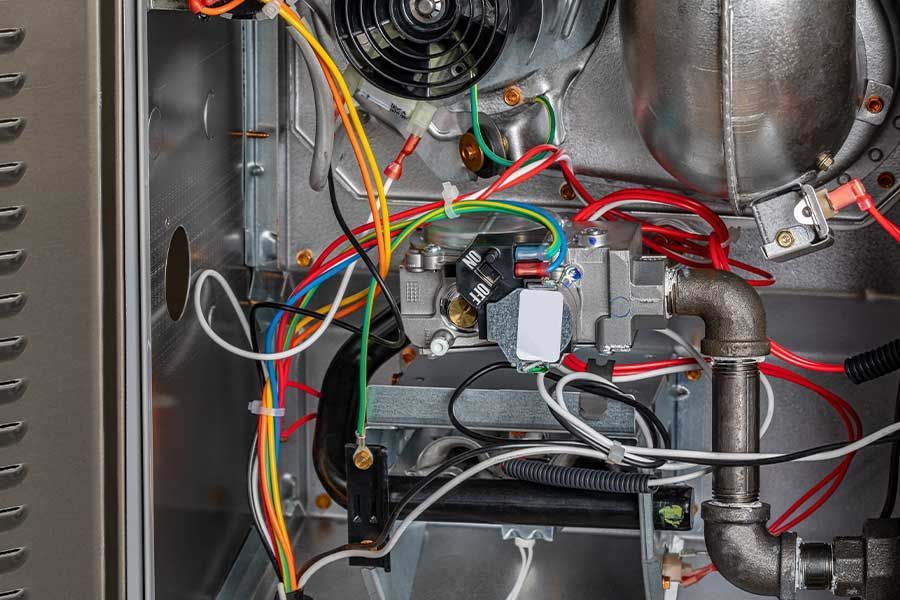
Again, dirty air filters can’t catch airborne pollutants, tainting your indoor air while causing dust and debris to contaminate the system’s interior. Dust, debris, and dirt can clog valves and fan motors, causing the unit to lose efficiency and eventually break down. 


Dirty filters can also overstress the furnace, causing it to use more energy. The excess energy consumption can skyrocket your energy bills, further depleting your funds. Regularly changing the filter preserves the furnace, its efficiency, and your home’s indoor air quality, making it an essential part of your maintenance schedule.


Benefits of Regularly Changing Your Home's Furnace Filter

Changing your furnace’s filter provides more benefits than just improved efficiency and indoor air quality. It offers numerous advantages that will help your heating and cooling system be the best it can be. Below are some prevalent benefits of regularly changing your furnace filter.


Reduced Allergy Symptoms

Many Port Washington residents experience allergies that worsen with poor indoor air quality. Dirty air filters can dramatically reduce your home’s indoor air quality, enhancing the symptoms’ severity. Changing the air filter every 30 days is a great way to reduce allergy symptoms and improve your overall health.


Clean furnace filters can also reduce symptoms of COPD, asthma, and other respiratory issues, promoting your family's health and safety throughout the year. 


Elongates Lifespan

Dirty filters can take a toll on your furnace over time. They can cause numerous issues that reduce the system's longevity, requiring you to replace the unit prematurely. Regularly replacing the furnace filter will reduce the unit’s stress while preventing malfunctions, allowing you to get the most out of your furnace before upgrading to a newer model.


Reduces Energy Bills

Failing to change your furnace filter every month or so can increase your monthly energy bills. Filthy furnace filters reduce the unit’s performance while heightening its energy requirements, soaring your energy payments. You can waste hundreds or more over time if you don’t change the filter regularly.


Changing the filter will reduce the furnace’s energy consumption, making your energy bills more affordable. These cost benefits may even outweigh the initial investment of purchasing new filters. 


Increased Efficiency

Most homeowners want a highly efficient furnace that keeps them warm during chilly winter days. Replacing the unit’s filter ensures it operates at its highest efficiency level throughout the year, keeping your home comfortable throughout winter. Regularly changing the filter is one of the best ways to improve your unit’s performance without spending money on upgrades or accessories.


Contact Professional Services for High-Quality Heating and Cooling Services in Port Washington, WI

Before asking yourself, “How often should you change your furnace filter?” contact Professional Services. We will teach you everything you need to know about HVAC filter replacement while providing extraordinary customer service along the way. Our award-winning team will handle all your furnace repair, installation, and maintenance needs at a price that fits your budget.


Give Professional Services a call at (262) 218-2636 and schedule your appointment in Port Washington today!

You might also like
September 30, 2026
If your furnace won't turn on in Cedarburg, WI, there are a few common culprits worth understanding before calling in a professional. In our service calls throughout Cedarburg, from homes near the historic Cedar Creek Settlement to properties further out toward Highway 60, our team sees the same handful of issues come up again and again once temperatures start to drop. A quick check of the thermostat settings is a good starting point, along with a look at the power supply and any tripped circuit breakers, but a proper diagnosis is best left to a trained technician through furnace repair service . The air filter is worth a look too, and if there are any strange noises or scents, those call for professional attention right away. Keep reading to learn more about diagnosing and addressing furnace issues safely. Common Causes for a Furnace Not Turning On When a furnace won't turn on, it can be frustrating, especially during the coldest months of a Wisconsin winter. One common cause is a tripped circuit breaker. If the furnace isn't getting power, the electrical panel is the first place worth checking. Another possibility is a clogged air filter, which can restrict airflow and cause the furnace to shut down as a safety measure. Regular maintenance goes a long way toward avoiding this issue altogether. The pilot light is also worth considering. If it's out, the furnace won't ignite at all. A malfunctioning thermostat could be at fault as well, so confirming it's set correctly and functioning properly is an easy first check. By identifying these common causes, homeowners can get a clearer sense of what might be going on before a technician arrives. Working in homes across Cedarburg, our team at Professional Services Heating, AC & Electric Repair is here to guarantee comfort and warmth whenever these issues pop up. Check Your Thermostat Settings Has the thermostat been double-checked? Sometimes it really is the simplest things that trip people up. Making certain the thermostat is set to "heat" rather than "cool" is worth confirming first, especially during shifting seasons when settings can get overlooked. The temperature setting matters too. If it isn't set higher than the current room temperature, it won't signal the furnace to kick on. Checking whether the thermostat is in "auto" mode is worth a look as well, since a setting of "manual" or "off" will keep the furnace from activating. For homes with a programmable thermostat, confirming the schedule hasn't been accidentally changed is a good next step. Replacing the batteries is worth trying too if it's a battery-operated unit, since a weak battery can prevent proper function. If these checks don't resolve the issue, it may be worth having a professional evaluate whether the system needs repair or whether furnace replacement makes more sense for long-term efficiency. Inspecting Your Power Supply and Circuit Breaker Before digging deeper into furnace issues, checking the power supply and circuit breaker is a smart next step, since these are often the root of the problem. Confirming the furnace is properly connected to power comes first. For a gas furnace, the gas valve should also be checked to confirm it's open. From there, the circuit breaker panel is worth a look. Tripped breakers can easily disrupt power to a furnace, and flipping one back on may resolve the issue temporarily. If it trips again, that's a sign of an underlying issue that needs professional attention rather than repeated resets. Fuses related to the furnace are worth checking too, since a blown fuse can cut off power entirely. Based on what we see in Cedarburg homes, checking these basics rules out simple issues before moving on to more complex furnace diagnostics, and regular heating system maintenance helps prevent these problems from recurring season after season. Step-by-Step Guide to Diagnose Your Furnace Problems Diagnosing furnace problems can feel overwhelming, but breaking it down step by step makes it more manageable. Thermostat Settings: Confirm the thermostat is set to "Heat" and the temperature is higher than the current room temperature. Air Filter: A dirty air filter can restrict airflow and cause overheating, so it's worth inspecting and replacing if needed. Safety Switches: Check for any safety switches that may have tripped, especially near the furnace door, and reset them if needed. Regular Maintenance: An annual furnace tune-up is essential for a system's longevity and helps everything run smoothly through the season. Once these steps are checked, homeowners will have a better sense of what's going on. If nothing changes, it's time to bring in further professional assistance. Signs You Need Professional HVAC Help Recognizing when it's time to call in the experts matters just as much as basic troubleshooting. Strange noises like banging or rattling are often a red flag that something's amiss inside the system. A furnace that frequently cycles on and off can indicate a more serious issue too. If adjusting the thermostat produces little change in temperature, or if there's an unusual smell, especially gas, professional help should be sought out immediately rather than waiting. Unexpected spikes in energy bills can also mean a system is struggling to operate efficiently, and a complete breakdown shouldn't be left unaddressed for long, particularly during a Cedarburg winter. Professional Services Heating, AC & Electric Repair is here to provide 24/7 emergency assistance and expert solutions, keeping comfort and safety a top priority for every household we serve. Getting Your Furnace Back on Track This Winter A furnace may not always be the reliable hero it's expected to be during winter's chill, and that's exactly why a proper troubleshooting process matters. If these steps haven't resolved the issue, don't hesitate to call in the professionals rather than continuing to troubleshoot alone. Keeping a Cedarburg home cozy and warm all season starts with knowing when to bring in the right expertise. When you're ready, our team at Professional Services Heating, AC & Electric Repair is here to help, so feel free to contact our team today .
September 30, 2026
If your furnace is overheating in Port Washington, WI, you're likely facing issues like dirty air filters or blocked vents. In our service calls throughout Port Washington, from homes near the harbor to properties further inland along Highway 33, these problems make the furnace work harder and heat up excessively, especially once the coldest stretches of winter set in. You might notice unusual noises, strange smells, or an overly warm home, and it's vital to turn off the furnace and have a professional check settings, filters, and vents through a proper furnace repair visit. If problems persist, there's more worth understanding to keep your system running safely and efficiently. Common Causes of Furnace Overheating When it comes to furnace overheating, several common issues tend to lead to this frustrating problem. One of the primary culprits is a dirty air filter. When filters clog, airflow gets restricted, causing the furnace to work harder and overheat. Blocked vents are another issue. If furniture or debris obstructs airflow, it can create hot spots throughout the home and lead to overheating. A malfunctioning thermostat can also send incorrect signals to the furnace, causing it to run longer than necessary. Blower motor issues are common too. If it's malfunctioning, warm air can't circulate properly through the home. Lack of regular maintenance can lead to a buildup of dust and debris that strains the system over time. Working in homes across Port Washington, our team has found that regular furnace maintenance is essential to prevent overheating and keep a system running efficiently for years. Recognize the Signs of an Overheating Furnace How can you tell if a furnace is overheating? There are several key signs worth watching for. Unusual noises, like banging or screeching, could indicate stress building up inside the system. A burning smell is a red flag too. It might mean there's dust buildup or even overheating parts that need attention. If a home feels too hot or unevenly heated, that's a sign something's off with airflow or thermostat calibration. The furnace itself is worth checking too, since excessive heat on its exterior can indicate a serious problem developing. Finally, a furnace that frequently shuts off or cycles on and off quickly deserves attention right away. Based on what we see in Port Washington properties, recognizing these signs early helps homeowners take action before more significant issues arise, keeping a furnace operating safely through every cold snap. What Happens During a Professional Overheating Diagnosis When a furnace starts overheating, a professional evaluation is the safest path forward rather than attempting repairs at home. A technician will start by confirming the furnace is powered down to prevent further stress on the system. Thermostat settings get checked next, since a setting that's too high can cause the unit to work overtime unnecessarily. Air filters are inspected closely too, since dirty filters restrict airflow and are one of the most common causes we see during furnace maintenance visits throughout Port Washington. Vents and registers get checked to confirm they're unobstructed, allowing for proper air circulation throughout the home. A thorough listen for unusual noises and a check for visible wear or damage rounds out a complete diagnostic visit, giving homeowners a clear picture of whether repair or replacement makes more sense based on the age and condition of the unit. When to Seek Professional Help for Furnace Overheating Could there be signs pointing toward the need for professional help that are easy to overlook? A furnace that frequently shuts off unexpectedly or makes strange noises is a clear red flag. An unusual smell is worth paying attention to as well, since that can signal a serious issue needing urgent attention. If basic checks like the air filter or thermostat settings haven't resolved the problem, it's time to bring in a professional rather than continuing to troubleshoot alone. A spike in energy bills without an apparent reason can also point to inefficiencies or malfunctions that need expert diagnosis. Regular heating system service helps prevent these issues from escalating into bigger, more costly repairs. How to Prevent Furnace Overheating in the Future Taking proactive steps can help prevent future furnace overheating well before it becomes a problem. Committing to regular maintenance matters most. Scheduling annual inspections helps catch potential issues before they escalate into something more serious. Air filters should be replaced every one to three months as well, since dirty filters restrict airflow and make a furnace work harder than it should. Keeping vents clear of obstructions like furniture or curtains helps guarantee proper airflow throughout the home. Upgrading to a programmable thermostat is worth considering too, since it helps maintain ideal temperature settings without overworking the system. For furnaces showing signs of age, exploring replacement options is worth a conversation with a professional. A new, energy-efficient model can greatly reduce overheating risks and enhance comfort throughout the home. Keeping Your Port Washington Home Safe and Warm As winter wraps Port Washington in its icy embrace, a furnace becomes a real lifeline against the cold. Understanding the reasons behind overheating helps safeguard that comfort for the whole season. Just as a flickering flame needs tending, a heating system needs proactive care too. When you're ready to have your system checked or serviced, our team at Professional Services Heating, AC & Electric Repair is here to help, so feel free to schedule your service today .
September 30, 2026
In Thiensville, WI, keeping a home safe starts with making sure GFCI outlets are installed in seven essential areas. In our service calls throughout Thiensville, from homes near the Milwaukee River to properties tucked along the village's older residential streets, our team regularly finds outdated or missing outlets in exactly the rooms where water and electricity meet most often, like bathrooms, kitchens, garages, outdoor spaces, and laundry rooms. Proper GFCI outlet installation helps close that gap and bring a home up to current safety standards. Regular testing keeps them functioning properly too, and it's critical to comply with local codes and regulations. If you're looking for guidance on where these outlets belong and how to keep them working, stick around to find out more. How GFCI Outlets Prevent Electrical Hazards When it comes to electrical safety in the home, GFCI outlets stand out as vital tools that help prevent hazards. These outlets monitor the flow of electricity and quickly shut off if they detect any imbalance, which can occur when electricity escapes to the ground. This feature is especially important in areas where water is present, since it greatly reduces the risk of shock or electrocution. Installing GFCI outlets in key locations creates a safer environment for the whole household, and they're especially valuable in kitchens, laundry rooms, and outdoor areas where moisture is a regular part of daily life. Regular testing of these outlets helps confirm they're functioning properly, offering real peace of mind. GFCI outlets also provide protection against high voltage shocks, which underscores just how important they are in modern electrical safety. GFCI outlets aren't just a luxury. They're a necessity for modern homes, and working in homes across Thiensville, our team treats their proper placement as a top priority on every electrical inspection. GFCI Outlets in Bathrooms: Where Water Meets Electricity When it comes to GFCI outlets in bathrooms, safety is the top priority. These outlets need to comply with safety standards and follow best installation practices to protect everyone in the household, and a professional electrical inspection is the best way to confirm a bathroom's outlets meet current code. Safety Standards Compliance To guarantee safety in bathrooms, where water and electricity often intersect, installing GFCI outlets is vital. These outlets help protect against electrical shocks by shutting off power the moment they detect an imbalance in current. Electrical codes require GFCI outlets in areas prone to moisture, including bathrooms. Using GFCI outlets means complying with safety standards while making a home genuinely safer for everyone living in it. Confirming these outlets are properly installed and tested regularly is an important part of maintaining their effectiveness over time. Installation Best Practices Installing GFCI outlets in bathrooms isn't just a smart choice. It's essential for safety. A few best practices matter here: Choose the right location, installing outlets at least 3 feet from the tub or shower. Use weatherproof coverings to help safeguard against moisture. Test the outlet monthly to make sure it's functioning correctly. Label clearly to mark GFCI outlets for easy identification. Hire a licensed professional, since that's the best way to ensure full compliance with local codes. GFCI Outlets in Kitchens: Protecting Your Cooking Area GFCI outlets are essential in kitchens, since they protect against electrical shocks in an area where water and electricity often meet. Spills and splashes happen frequently while cooking, so having these safety devices installed is important for every Thiensville household. GFCI outlets automatically cut off power the moment they detect an imbalance in electrical flow, reducing the risk of shock significantly. In the kitchen, GFCI outlets belong near sinks, countertops, and other areas susceptible to moisture, which helps guarantee that appliances like blenders and toasters operate safely. Regularly testing these outlets matters too, and pressing the "test" button is a simple way to confirm they're functioning correctly. For larger kitchen renovations or commercial kitchen spaces, consulting with experienced commercial electrical professionals helps ensure proper installation and full code compliance. GFCI Outlets in Garages: Safeguarding Your Tools and Vehicles GFCI outlets play an essential role in protecting tools and vehicles from electrical hazards in the garage. These outlets are designed to detect ground faults and cut off power, preventing potential shocks before they happen. A few key reasons to prioritize GFCI outlets in the garage: Protection From Water Exposure: Garages are often prone to moisture, making GFCI outlets crucial. Tool Safety: Power tools see frequent use, and these outlets help safeguard against electrical accidents. Vehicle Charging: Many households charge electric vehicles in the garage, and GFCI outlets help guarantee safe charging practices. Preventing Fire Hazards: Cutting off power during a fault reduces the risk of fires significantly. Compliance With Regulations: Many local codes require GFCI outlets in garages for safety. Comprehensive electrical services can further ensure a garage remains a safe space for all its electrical needs, from outlets to lighting to vehicle charging setups. GFCI Outlets in Outdoor Areas: Ensuring Safety in Your Yard Enjoying outdoor spaces safely means making GFCI outlets a priority for protecting family and guests alike. These outlets play an important role in preventing electrical shock, especially in areas exposed to moisture like patios, decks, and gardens, which describes a good number of Thiensville backyards along the river. Plugging in outdoor tools, lights, or appliances always carries some risk, and installing GFCI outlets greatly reduces the chances of an accident. They automatically shut off power when they detect a ground fault, offering peace of mind while working or relaxing outside. Placing these outlets in convenient, accessible locations makes them easy to use and test regularly, helping keep a yard both beautiful and safe for everyone who spends time in it. GFCI Outlets in Laundry Rooms: Preventing Accidents in Wet Conditions In laundry rooms, where water and electricity often mingle, prioritizing safety matters just as much as anywhere else in the home. GFCI outlets play a critical role in preventing accidents in these wet conditions, quickly cutting off power if they detect any ground fault and reducing the risk of electric shock. A few reasons laundry rooms need GFCI outlets: Protection Against Shock: They provide immediate disconnection from power. Compliance With Codes: Many building codes require GFCI outlets in laundry areas specifically. Peace of Mind: Knowing the space is protected allows the household to focus on the task at hand. Quick Reset: They can be easily reset after a trip, without any complicated troubleshooting. Cost-Effective Safety: A small investment can prevent a potentially serious hazard. Tips for Installing and Maintaining GFCI Outlets in Your Home Installing and maintaining GFCI outlets properly goes a long way toward keeping a home protected from electrical hazards, especially in areas prone to moisture like kitchens and bathrooms. Installation Best Practices Turn off power at the circuit breaker before starting any installation work. Follow the GFCI outlet's wiring guidelines closely. Use a voltage tester to confirm there's no power before handling any wires. Install outlets in accessible locations where they can be easily reached for testing and maintenance. Test monthly using the "test" button to verify functionality. Regular Maintenance Tips Testing each outlet monthly by pressing the "test" button confirms it shuts off power as designed. If it doesn't, replacement is necessary right away. Inspecting outlets for signs of damage, like cracks or discoloration, is worth doing periodically, and anything unusual is best evaluated by a professional rather than left unaddressed. Keeping outlets clean and free from moisture helps prevent malfunctions over time, and consulting with a trusted local electrician for any concerns or routine check-ups rounds out a solid maintenance routine. Building a Safer Home With the Right Outlets in Place Having GFCI outlets throughout a home is like putting up a safety net. It catches potential hazards before they can harm anyone living there. Making sure these outlets are installed in key areas like bathrooms, kitchens, and outdoor spaces is a proactive step every Thiensville homeowner can take to protect their family. When you're ready to have your home's outlets checked or updated, our team at Professional Services Heating, AC & Electric Repair is here to help you navigate these requirements, so feel free to contact our team today .

Book a Service Today