5 Warning Signs of a Cracked Heat Exchanger in Cedarburg, WI

Professional Services
October 15, 2024

A functioning furnace gets you through frigid winters in Cedarburg, Wisconsin. However, finding yourself with a cracked heat exchanger opens up several potential problems, from weird smells to the furnace not heating correctly. 


Can you recognize cracked heat exchanger symptoms early enough to prevent the carbon monoxide poisoning that could be just around the corner? You might want to entrust this task to a reliable furnace repair technician in Cedarburg, WI, like Professional Services. 


Let’s take a look at some common cracked heat exchanger signs and what to do about them so that you and your family can stay safe.


#1 Flu-like Symptoms


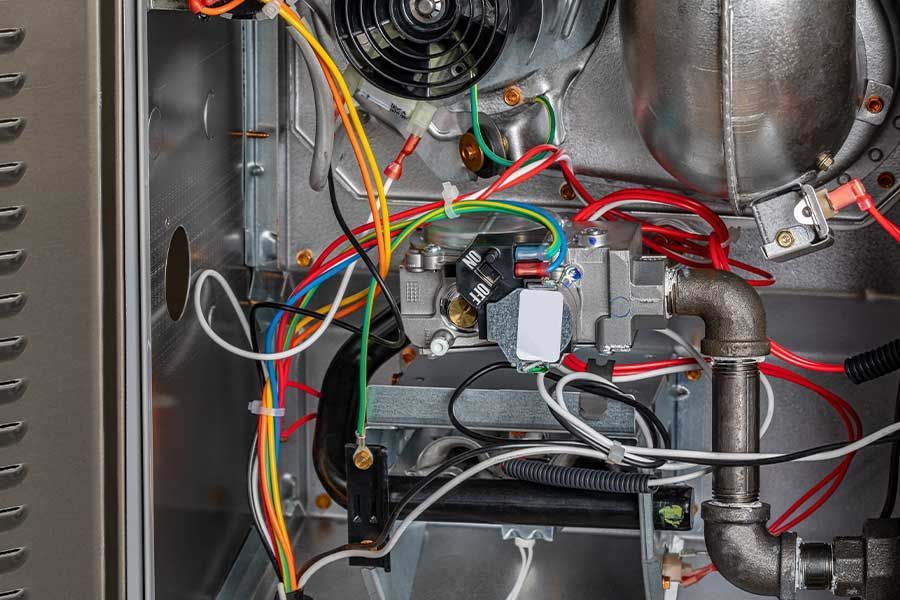
The heat exchanger is a set of metal coils. This mechanism moves heat throughout your home without the exhaust fumes that usually come with these processes. Heat exchangers are a crucial component that must work perfectly to keep you safe because cracks may let carbon monoxide leak into your home.


If there’s carbon monoxide issues at home, you may experience these flu-like symptoms:


  • Headaches
  • Dizziness
  • Drowsiness
  • Nausea and vomiting
  • Stomach pain
  • Vision problems
  • Loss of consciousness or even death


If carbon monoxide leaks slowly out of your heating system, you may experience the above symptoms over the course of a few days. If you connect the dots between your "flu" and cracked heat exchanger symptoms, the first step is to immediately leave your home. Then, dial 911. 


#2 Weird Smells


It's normal for your furnace to have a bit of a smell when it first turns on as the air heats up and disperses through your home. However, strange odors akin to formaldehyde could mean trouble. Call 911 if you smell something like this – you may have a gas leak. 


As mentioned, carbon monoxide leaks are very serious and should be treated as an emergency. However, this gas is colorless and odorless. If you smell anything off, it's likely from another type of gas in the furnace, but these leaks can be just as dangerous.


#3 No Heat For Your Cedarburg, WI, Living Space


Modern furnaces have safety features that cause them to stop working when flames escape the chamber. If your furnace isn't turning on, and you know it has safety features, that's one of the classic cracked heat exchanger symptoms. Deal with it quickly, as there is always a possibility of a carbon monoxide leak.


If the furnace is working but the air doesn't seem as hot as it should be, check for soot buildup. If gasses aren't completely combusting, you'll soon have a carbon monoxide leak (if there isn’t one already). You may also notice the furnace cycling, which is when it turns on and off too frequently.


#4 The Carbon Monoxide Detector Goes Off


There’s a reason carbon monoxide is called a silent killer. Since you can't see or smell carbon monoxide, you need an alert system to safeguard your home and family members. 


Experts like Professional Services recommend that you leave a carbon monoxide detector near the furnace so that it can alert you when it detects fumes. These detectors sometimes misfire and go off for no reason, but if they don't stop chirping, you should leave your home and call emergency services to check. If you’ve been breathing in carbon monoxide for some time, you could be in great danger, even if you feel fine.


#5 The Pilot Light Isn't Blue


The pilot light, or the flame that ignites in the furnace, should be blue when it burns. A yellow furnace flame indicates the gas isn't combusting completely. In this case, you might see some soot near the furnace or get increased energy bills as your furnace works harder to keep your house warm.


This is one of the easier cracked heat exchanger symptoms to spot – you can actually see it. Carbon monoxide is still a potential danger in this situation, so be vigilant.


Contact Professional Services in Cedarburg, WI


There are several cracked heat exchanger symptoms to look for if you would like to ensure your family and home remain safe. Even if the symptoms are noticeable, like yellow flames or some flu-like symptoms, it’s very easy to overlook them. After all, you probably don't think of the furnace as a reason you’re feeling under the weather!


Whether you need help with a cracked heat exchanger or suspect you need a boiler repair, just call Professional Services in Cedarburg, WI, or visit our website! The team can answer questions and will respond quickly to your call to keep you safe.

You might also like
February 10, 2026
Did you know that heat pumps can reduce your heating and cooling costs by up to 50% compared to traditional systems? If you're a homeowner in Port Washington, WI, understanding how to efficiently install a heat pump can save you money and enhance your comfort. But before you jump into the installation process, there are some key factors you need to take into account to guarantee you make the best choice for your home. Understanding Heat Pumps and Their Benefits Heat pumps are a smart choice for efficient home heating and cooling. They work by transferring heat instead of generating it, making them highly energy-efficient. You can enjoy consistent temperatures year-round while lowering your energy bills. In winter, heat pumps extract warmth from the outside air, even in chilly conditions, and bring it inside. During summer, they reverse the process, removing heat from your home to keep it cool. Additionally, heat pumps improve indoor air quality by filtering out dust and allergens, creating a healthier living environment. They're also versatile, functioning as both heating and cooling systems. With minimal maintenance, these units can last for years, providing dependable comfort. Plus, they're environmentally friendly, emitting fewer greenhouse gases than traditional heating methods. Regularly scheduled maintenance assessments ensure that your heat pump operates efficiently and can help prevent costly repairs down the line. Choosing the Right Heat Pump for Your Home How do you determine the best heat pump for your home? Start by evaluating your home's size and insulation. A heat pump's efficiency relies on its ability to match your space's heating and cooling needs. Look for the Seasonal Energy Efficiency Ratio (SEER) and Heating Seasonal Performance Factor (HSPF) ratings; higher numbers indicate better efficiency. Next, consider the climate in Port Washington, WI. A cold-climate heat pump may be necessary if you experience harsh winters. Additionally, think about your energy source—electric or gas—and your budget. Don't forget to evaluate your home's ductwork; if it's in poor condition, you might need ductless systems. Finally, consult a professional for recommendations tailored to your specific situation. With so many options available, their expertise can guide you to the perfect heat pump, ensuring your home remains comfortable year-round. Professional Services can provide comprehensive installation services that cater to your unique needs. Preparing Your Home for Heat Pump Installation Before your heat pump installation begins, it's essential to prepare your home to guarantee a smooth process and ideal performance. Start by clearing the area around the installation site. This means removing any furniture, decor, or obstacles that might hinder access for the technicians. Next, verify that your home's power supply can support the new heat pump; you may need to consult an electrician if you're unsure. Check your insulation and seals around windows and doors, as proper insulation enhances your heat pump's efficiency. Additionally, consider scheduling a duct cleaning if you have an existing duct system; this can improve air quality and system performance. Finally, communicate any specific needs or concerns with your installation team beforehand. It's also important to consult with professionals who can provide expert technicians to ensure the installation is done correctly and safely. The Installation Process: What to Expect Once you've prepared your home for the heat pump installation, it's time to understand what to expect during the process. First, a team of certified professionals will arrive at your home, usually in the morning. They'll assess your space, making sure everything's ready for the installation. Expect to have a discussion about the placement of the heat pump and any specific preferences you may have. Next, they'll start installing the indoor and outdoor units, connecting refrigerant lines and electrical wiring. This usually takes several hours, so plan accordingly. During this time, you might hear some noise from tools and equipment. Once the installation is complete, the technician will conduct tests to verify that everything operates efficiently. They will also ensure that the system provides energy-efficient heating and cooling , addressing any concerns you may have. They'll also walk you through the system, explaining how to use it effectively. Finally, you'll receive a thorough checklist of maintenance tips to keep your heat pump running smoothly. Post-Installation Tips for Optimal Performance To guarantee your heat pump performs at its best, it's crucial to follow a few key post-installation tips. First, regularly check and change the air filter every one to three months to maintain airflow and efficiency. Next, keep the outdoor unit clear of debris, like leaves and dirt, to ensure it can operate freely. Schedule annual maintenance with a professional to inspect and tune your system, preventing small issues from becoming costly repairs. Monitor your thermostat settings and consider upgrading to a smart thermostat for energy savings. Finally, don't ignore unusual noises or smells—these can indicate problems that need attention. By staying proactive with these tips, you'll enhance your heat pump's performance and longevity.  For additional assistance, consider reaching out to Professional Services for expert guidance and support.
February 10, 2026
If your furnace is showing its age, it might be time for an upgrade. You may notice your energy bills creeping up or hear strange noises coming from the unit. Uneven heating and poor air quality can also signal trouble. These issues can lead to bigger problems down the line. So, how do you know when it's truly time to replace your furnace? Let's explore the signs that could save you money and enhance your comfort. Age of Your Furnace The age of your furnace is an essential factor in determining whether it's time for a replacement. Most furnaces last between 15 and 20 years, so if yours is approaching or exceeding this age, it's important to evaluate its performance. You may notice reduced heating efficiency or inconsistent temperatures throughout your home. These signs suggest your furnace is struggling to keep up with your needs. Additionally, older models often lack the energy efficiency of newer systems, meaning you might be spending more on heating than necessary. If your furnace is over 15 years old, consider scheduling an inspection with a professional. They can help assess its condition and determine if a replacement is the best option. Remember, investing in a new furnace can enhance your comfort, reduce energy costs, and improve indoor air quality, making it a smart decision for your home. Regular maintenance is also crucial for maximizing your furnace's lifespan and performance, so don't neglect annual furnace maintenance . Rising Energy Bills If you've noticed a steady increase in your energy bills, it might be time to assess your furnace. An older or inefficient furnace struggles to maintain your home's temperature, causing it to work harder and consume more energy. This extra strain translates directly into higher costs on your utility bills. You may not realize it, but even minor inefficiencies can notably impact your monthly expenses. If your furnace is no longer operating at peak efficiency, it's time to contemplate an upgrade. Modern furnaces are designed to be more energy-efficient, helping you save money in the long run. Furnace installation options are available to suit various needs and space sizes, ensuring you find the right fit for your home. Taking action now can lead to reduced bills and improved comfort levels in your home. Don't let rising energy bills drain your budget—evaluate your heating system and explore options for a more efficient model. Your wallet will thank you, and you'll enjoy a cozier home environment. Frequent Repairs If you're constantly calling for repairs, it might be time to rethink your furnace. Rising repair costs and recurring system failures can drain your budget and leave your home uncomfortable. Trust your instincts—if your furnace is always breaking down, replacing it could save you money in the long run. Additionally, regular maintenance is essential to avoid common problems that can lead to frequent repairs. Rising Repair Costs Frequent repairs can quickly drain your wallet, making it hard to justify keeping an aging furnace. If you find yourself shelling out more money for repairs than you'd like, it's a clear sign something's amiss. Each visit from a technician adds up, and with every breakdown, your financial burden grows heavier. You might start to wonder if those costs would be better spent on a new, energy-efficient model. Consider how much you can save in the long run by investing in a new furnace rather than constantly patching up an old one. If repair expenses keep climbing, it's time to evaluate whether you're better off replacing your furnace instead of sinking more money into it. Recurring System Failures As your furnace struggles to keep up with demands, recurring system failures can leave you feeling frustrated and uncomfortable. If you find yourself calling for repairs more often than not, it's a clear sign that your furnace may be nearing the end of its life. Frequent breakdowns not only disrupt your comfort but also indicate underlying issues that newer models have resolved. Constantly fixing the same problems can become a drain on your finances and your peace of mind. Instead of throwing money at repairs, consider the benefits of investing in a new furnace. Upgrading can provide you with improved efficiency, reliability, and better air quality, ultimately ensuring that your home remains a sanctuary of comfort. Uneven Heating When you notice that some rooms in your home feel chilly while others are toasty, it's a sign your furnace might be struggling to deliver consistent heat. This uneven heating can lead to discomfort and higher energy bills as your system works harder to balance temperatures. If you're experiencing this issue, consider the following factors: Duct Issues : Blocked or leaky ducts can prevent warm air from reaching certain areas. Thermostat Problems : An improperly calibrated thermostat may not accurately read the temperature, causing inconsistent heating. Aging Furnace : If your furnace is old, it mightn't distribute heat evenly due to wear and tear. If you're facing significant uneven heating, it's wise to consult a professional. They can assess your system and recommend whether a replacement is necessary to restore comfort in your home. Additionally, addressing thorough inspections can help identify current and potential issues before they escalate. Strange Noises Uneven heating isn't the only sign your furnace might need attention; strange noises can also indicate trouble. If you hear banging, clanking, or squealing sounds, it's time to take notice. These noises often signal mechanical issues, such as loose parts or a failing motor. Ignoring them can lead to more significant problems down the line. Popping or rattling sounds could mean that the ducts are expanding or contracting, which may suggest inadequate airflow. A hissing noise might indicate a gas leak, which is a serious safety concern. When your furnace starts to sound like a haunted house, don't wait for it to break down completely. Instead, contact a professional to evaluate the situation. They can help determine if a repair is possible or if it's time for a replacement. Remember, staying proactive can save you time and money in the long run. Poor Indoor Air Quality If you're noticing increased allergens and dust in your home, it might be a sign that your furnace is struggling. Unpleasant odors and inconsistent temperatures can also indicate poor indoor air quality. Addressing these issues promptly can help you maintain a healthier, more comfortable living environment. Increased Allergens and Dust As your furnace ages, you might notice an uptick in allergens and dust circulating through your home, signaling poor indoor air quality. This can lead to discomfort and health issues, especially for those with allergies or respiratory conditions. If you're experiencing these problems, it may be time to contemplate a furnace replacement. Here are some signs to look out for: Increased sneezing, coughing, or respiratory discomfort Dust settling more quickly on surfaces Frequent need to clean or replace air filters Addressing these concerns with a new furnace can greatly improve your home's air quality. Unpleasant Odors Persist When unpleasant odors linger in your home, it can signal that your furnace isn't operating properly or that your indoor air quality is suffering. These odors might be caused by dust and debris accumulating in your system, or perhaps there's an issue with the heat exchanger or ductwork. If you notice a persistent smell of burning, it could indicate overheating components, which may lead to serious safety hazards. Ignoring these odors won't improve the situation; in fact, they can worsen your indoor air quality, affecting your health. If you're constantly battling these unpleasant scents, it's time to contemplate replacing your furnace. Investing in a new unit can help guarantee your home stays fresh and clean, promoting a healthier living environment. Inconsistent Temperature Distribution One of the most frustrating signs that your furnace may need replacement is inconsistent temperature distribution throughout your home. If you notice that some rooms are too hot while others are too cold, it's a clear indication that your furnace isn't functioning efficiently. This inconsistency can lead to discomfort and even poor indoor air quality. Consider these factors: Drafty areas : Cold spots often indicate airflow issues. Temperature fluctuations : Frequent changes can signal a failing system. Humidity levels : High humidity can affect comfort and air quality. If you're experiencing these issues, it might be time to consult a professional and consider a furnace replacement for a more comfortable home. Yellow Burner Flame A yellow burner flame in your furnace is a clear warning sign that something's not right. Ideally, your furnace should have a blue flame, indicating complete combustion. When you see yellow, it often means your furnace is producing carbon monoxide—a dangerous gas that can threaten your health. If you notice this color change, don't ignore it. It's time to call a professional to inspect your system. Continuing to operate a furnace with a yellow flame can lead to serious safety issues, including carbon monoxide poisoning. Additionally, this could indicate that your furnace is dirty or has a malfunctioning burner, which may require replacement. Prioritizing your safety and comfort is essential. Reach out to a trusted HVAC provider like Professional Services to assess the issue and determine if it's time for a new furnace. Don't take chances; guarantee your home stays safe and warm. 
February 10, 2026
Just like a well-oiled machine, your furnace needs regular attention to perform at its best. Scheduling routine maintenance in Port Washington, WI, can greatly enhance its efficiency and safety. You might be surprised to learn how these simple check-ups can lead to long-term benefits for your home. Curious about how these advantages stack up? Let's explore what regular maintenance can do for you. Improved Energy Efficiency When you schedule routine furnace maintenance, you not only guarantee your system runs smoothly but also greatly improve its energy efficiency. A well-maintained furnace uses less energy, which translates to lower utility bills. During maintenance, technicians clean essential components, ensuring your system operates at peak performance. They'll check for any wear and tear that might hinder efficiency, replacing parts if necessary. Additionally, regular maintenance helps identify and fix issues before they escalate, preventing energy waste. You'll notice a difference in your comfort levels, too, as a more efficient furnace maintains consistent temperatures throughout your home. Investing in routine service can save you money in the long run and extend your furnace's lifespan. Plus, when you choose Professional Services for your maintenance needs, you benefit from expert knowledge and a customer-first approach, ensuring you get the most out of your heating system. Regular maintenance is essential for maintaining safety and functionality, making it a crucial aspect of your home care. Enhanced Safety and Reliability Routine furnace maintenance not only boosts energy efficiency but also enhances safety and reliability. When you schedule regular check-ups, you're proactively reducing the risk of hazardous malfunctions. Technicians inspect critical components like gas lines, exhaust systems, and electrical connections, ensuring everything operates safely. This meticulous attention helps prevent potential fire hazards or carbon monoxide leaks, keeping your home secure. Moreover, a well-maintained furnace is less likely to break down unexpectedly. You won't have to worry about being left in the cold during a harsh winter night. Regular maintenance allows you to catch minor issues before they escalate into costly repairs. Ultimately, prioritizing furnace upkeep gives you peace of mind, knowing that your heating system is functioning efficiently and safely. Additionally, scheduling routine inspections can help prevent costly damage that may arise from neglected issues. Trust in professional services to deliver thorough inspections and reliable solutions, enhancing not just your comfort but also the safety of your home. Extended Furnace Lifespan By investing in regular furnace maintenance, you can considerably extend the lifespan of your heating system. Routine check-ups allow technicians to spot potential issues before they escalate. They'll clean components, replace worn parts, and guarantee everything operates efficiently. This proactive approach helps prevent breakdowns and reduces wear and tear on your furnace. Moreover, a well-maintained furnace operates more smoothly, which means it won't have to work as hard to heat your home. This efficiency not only boosts its longevity but also enhances your comfort and keeps your energy bills in check. You wouldn't want to replace your furnace sooner than necessary, right? Scheduling regular maintenance with a trusted service provider like Professional Services guarantees your heating system gets the care it needs to last. Additionally, routine maintenance can help identify boiler gas leak signs , ensuring safety and efficiency in your home. Ultimately, taking these steps today can save you from the hassle and expense of an untimely furnace replacement in the future. Cost Savings on Repairs Investing in regular furnace maintenance not only enhances efficiency but also leads to significant cost savings on repairs. When you schedule routine check-ups, certified technicians catch small issues before they escalate into major problems. This proactive approach prevents costly repairs that can arise from neglect. By keeping your furnace in top condition, you reduce the risk of unexpected breakdowns, which often come with high repair bills. Plus, a well-maintained system operates more efficiently, lowering your energy bills and helping your wallet in the long run. Think of it this way: spending a little on maintenance now can save you a lot later. With Professional Services, you can trust that your furnace will receive expert care, minimizing repair costs and maximizing peace of mind. Thorough inspections can identify current and potential issues, allowing for early intervention. Regular maintenance isn't just smart; it's an investment in your home and budget. Better Indoor Air Quality While you mightn't realize it, regular furnace maintenance plays an essential role in improving your indoor air quality. When your furnace is well-maintained, it efficiently filters out dust, allergens, and pollutants, keeping the air you breathe cleaner and healthier. Clogged filters can trap harmful particles, leading to respiratory issues and allergies. By scheduling routine check-ups, you guarantee that your system's filters are replaced and cleaned regularly, promoting superior airflow and reducing airborne contaminants. Additionally, a well-maintained furnace helps prevent the buildup of moisture, which can lead to mold growth. Professional Services offers expert solutions for filtration and purification, guaranteeing your home remains a safe haven. With better indoor air quality, you'll not only feel more comfortable but also enhance your overall well-being.

Book a Service Today